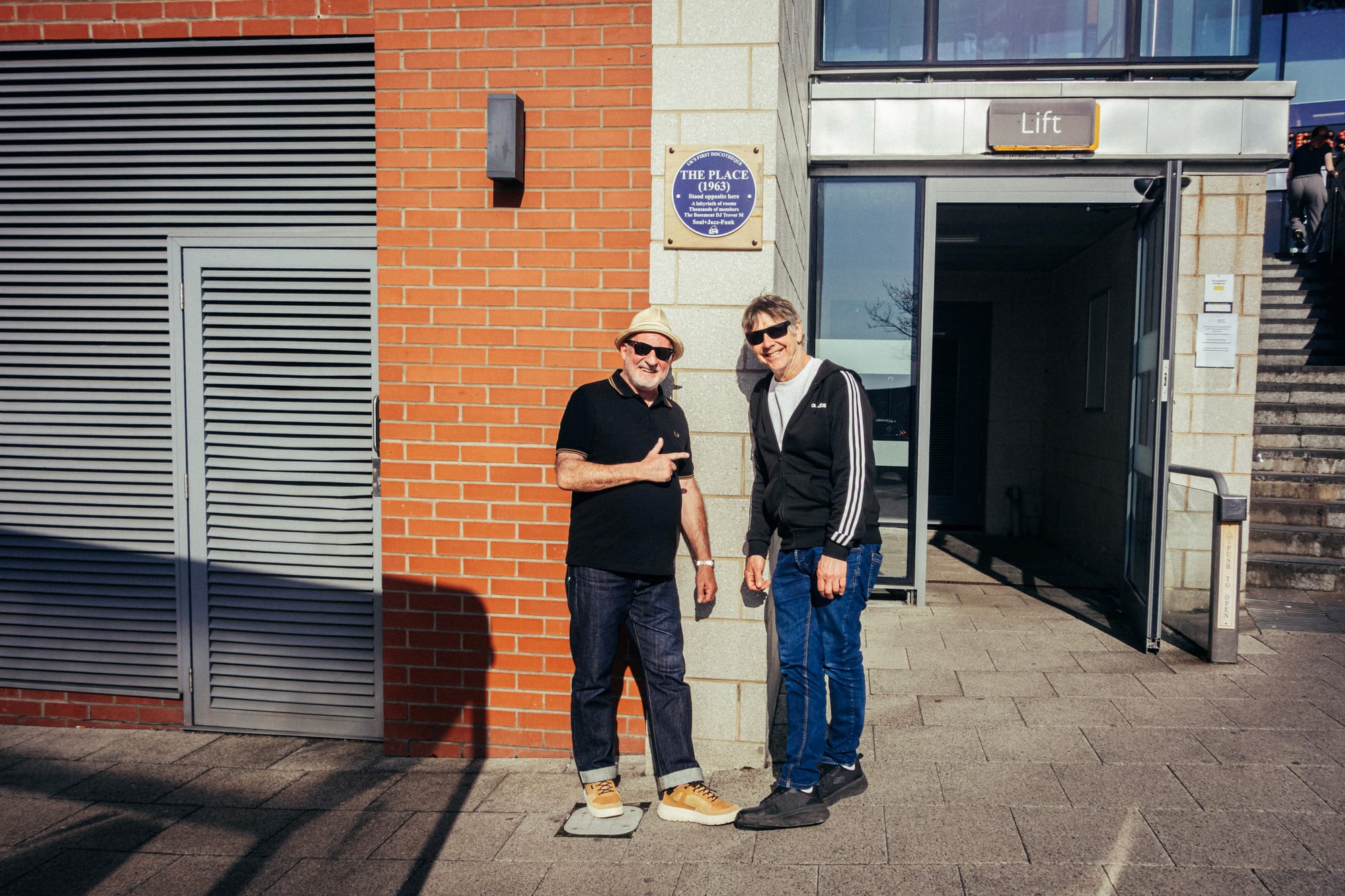
From the Torch to Shelley's, the clubs that shaped Stoke's nightlife are about to get their own mural in Hanley. The funding is in place, and a wall has been offered; Jenna Goodwin caught up with the two men behind it.
Most heritage projects begin with a committee, a funding round and roughly nine months of risk assessments. The blue plaque scheme now dotted across Hanley began with two old friends, a screwdriver and the sort of attitude that would make Banksy proud.
Philip Johnson and Robert Leigh, both 67, have known each other since they were teenagers standing at the edge of the same dancefloors. Phil found his way in at the start of the 1970s, at the Kings Hall teenage nights where Bruno Brooks spun soul and Northern Soul, and later talked his way into Wigan Casino aged 15 on his older brother's borrowed birth certificate. Bob has been collecting records since he was seven, amassing somewhere north of 20,000 of them, and spent a stretch over the millennium driving a young Sasha to gigs. Phil, by his own admission, has been on the periphery for a couple of decades. Bob never really stopped, and still plays the classic revival nights around the city.
What brought them back was watching the places they grew up in disappear.
A shame to let it all be forgotten
"All these places are going to be forgotten, and nobody will ever know about them," Phil recalls thinking, as one old venue after another came down. The tipping point was the demolition of the old Tiffany's building in Newcastle. As the wrecking got going, the faded signage underneath was exposed, and Phil noticed something. People kept stopping to take photographs, and the occasional souvenir brick.
There was already a blue plaque where the Golden Torch once stood in Tunstall, now a car park, so the idea was hardly outlandish. Phil set off down the sensible route, asking building owners for permission. He was, in his words, constantly beaten back. Absent landlords in Birmingham, requests for indemnity insurance, health and safety forms, risk assessments. Months of banging his head against a brick wall, which is ironic given that a brick wall was all he wanted.
Bob's solution was simpler. "Let's just get the plaques, stick them up, and if they don't like them, we'll take them down again." So they did. The first went up on the corner of Marsh Street, where the Antelope once stood, put up quietly with nobody watching. Nobody complained. People noticed.
Then, as Bob puts it, they went and did the rest "Banksy style", walked away, and got a phone call. "Bob, it's the BBC." He assumed someone was having him on. They were not. The whole thing snowballed within weeks.
Eight plaques, 60 years of history
There are now eight in total: six across Hanley, one in Stoke, one in Newcastle. Between them they tell a story most residents have no idea they are walking past.
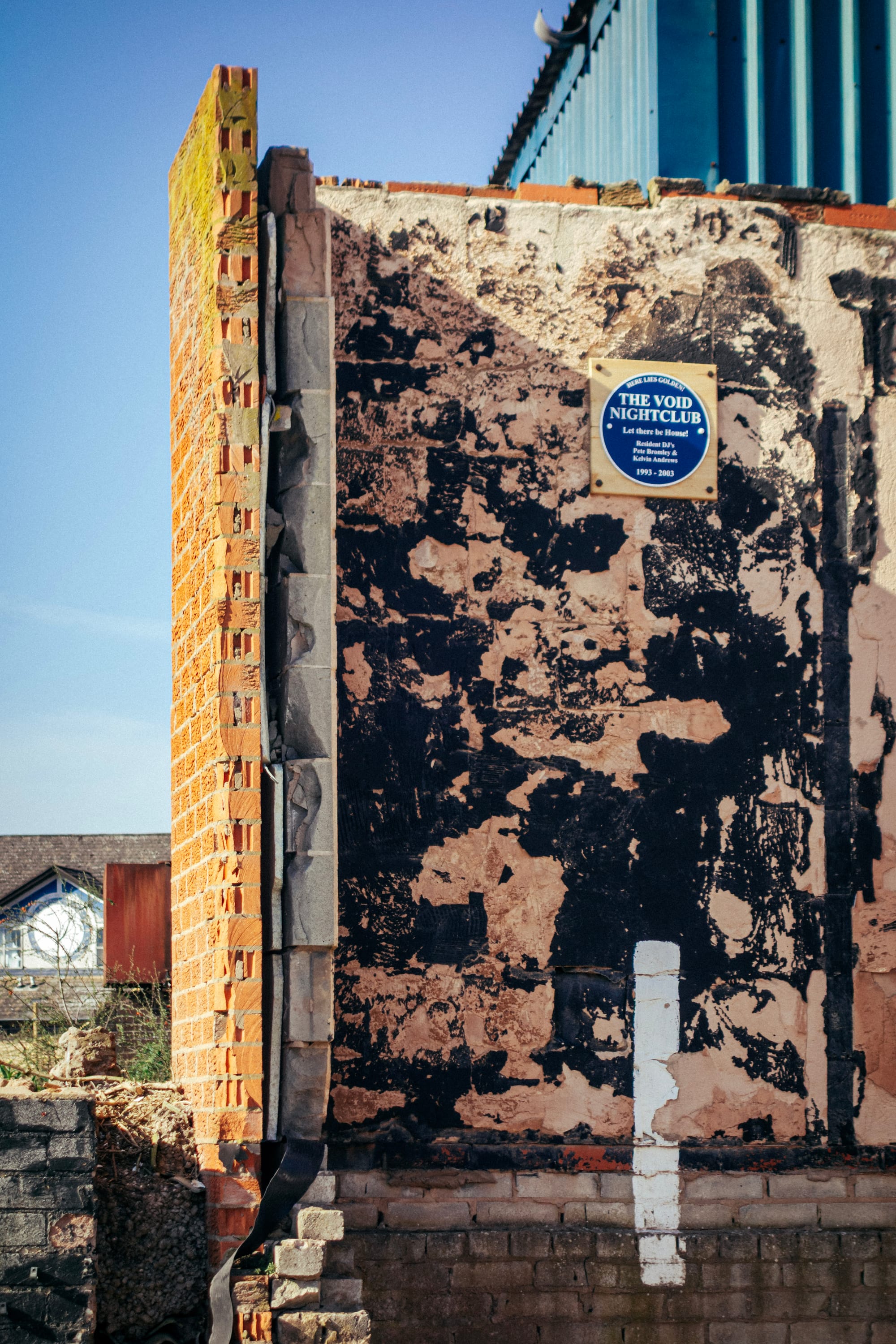
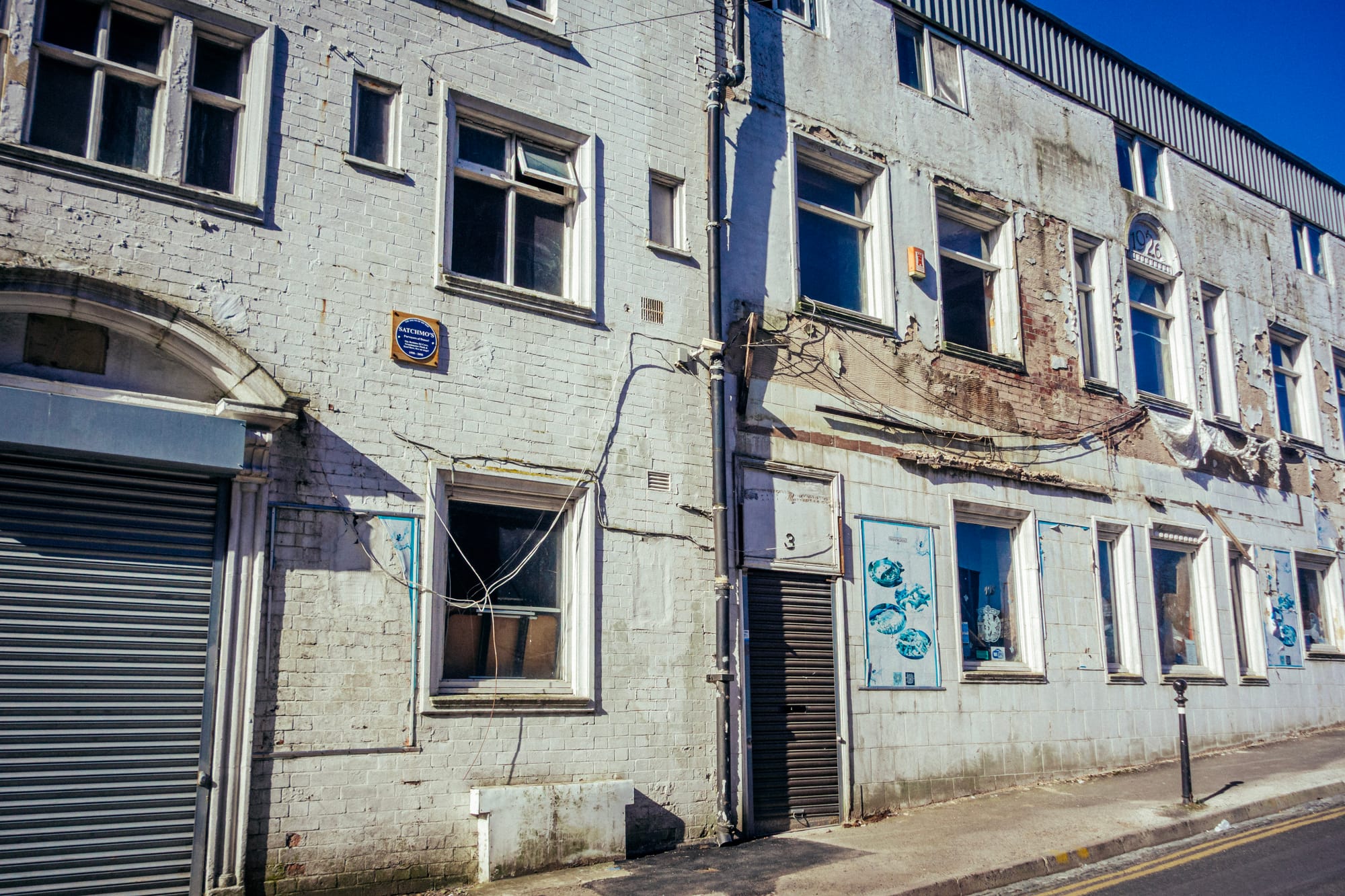
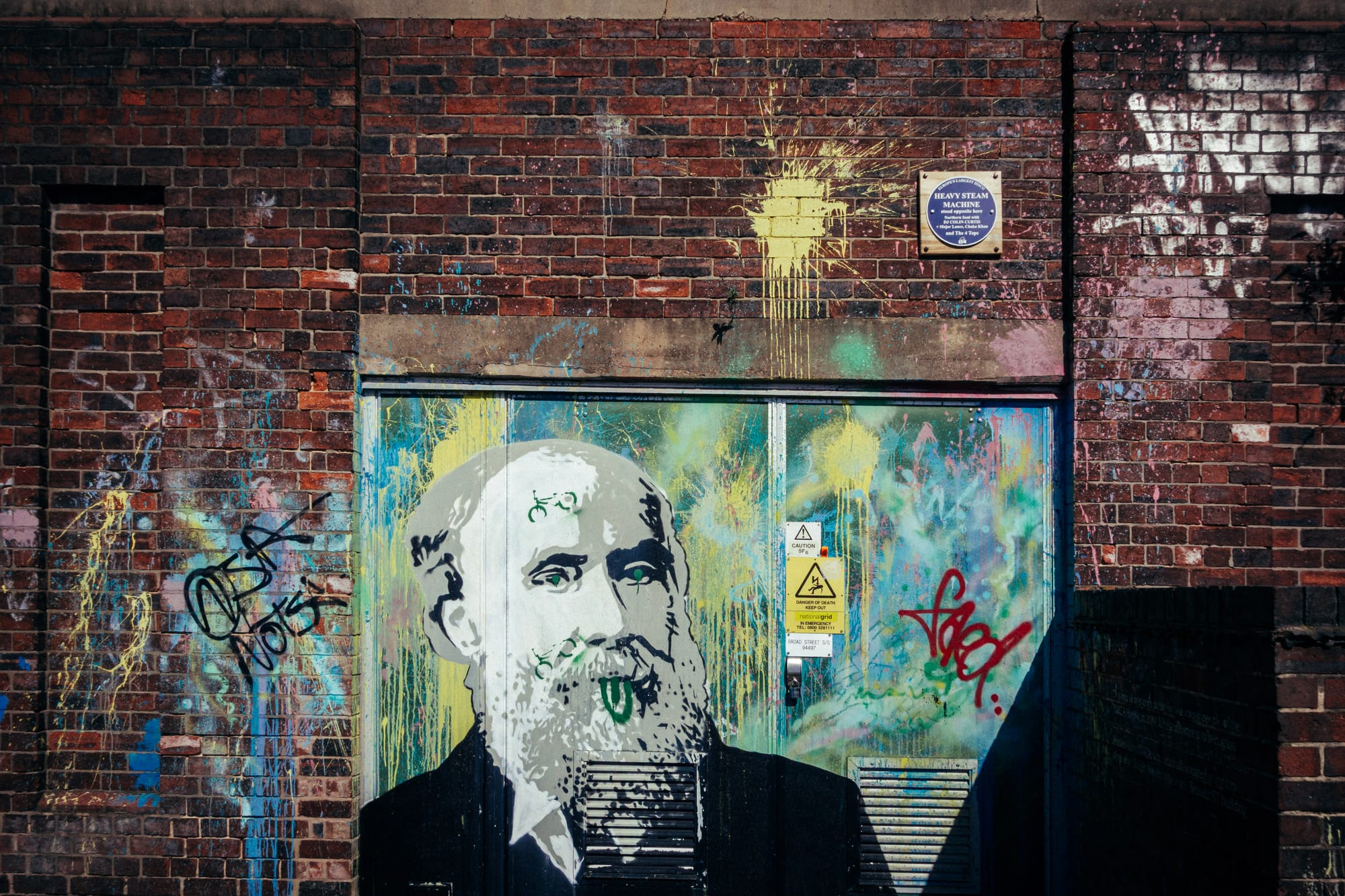
The six in Hanley mark the Antelope, the Heavy Steam Machine, the Top Rank, the Void, Satchmo's and the Place. Each earned its spot by regularly drawing hundreds, sometimes well over a thousand, of people a night. The pair were strict about it. Everyone, it turned out, wanted a plaque for the pub where their Uncle Ted once DJ'd on a Thursday, so they stuck to the venues of genuine significance.
And the significance is real. The Place, Phil argues, was the first purpose-built discotheque in the country, opening in 1963 as a venue designed to play predominantly vinyl rather than host a live band. The Heavy Steam Machine was, when it opened, the biggest of its kind. The Top Rank became a Northern Soul hub known as the International Soul Club. Over in Stoke, the plaque marks the Kings Hall, home to what the pair believe was the second longest-running Northern Soul all-nighter in the country, a 30-year institution running from 1996 until its final event this year. Newcastle's plaque marks Tiffany's, later known as the Ritz.
Manchester's loss, Stoke's gain
Listen to Phil and Bob for long enough and a pattern emerges, one that should be a source of civic pride. Time and again, when a major Manchester venue fell, the scene did not scatter. It came to Stoke.
When the Twisted Wheel closed, the Northern Soul crowd moved to the Golden Torch in Tunstall, and on to the Top Rank in Hanley, which anchored the scene until Wigan Casino took over. Two decades later, when the Hacienda shut its doors, the ravers followed the music to Shelley's Laserdome in Longton, and then on to Entropy near the old bus station. The Potteries has spent 60 years catching whatever the bigger cities dropped, and doing something remarkable with it.
Longton, notably, has no plaques yet. The pair drew a line under the project at the eighth, though they are far from precious about it. Their message to the town is essentially an open invitation. If you were a significant player back then, fill your boots. Shelley's would qualify without question, they agree, even if the dancefloor itself is now buried somewhere under the A50.
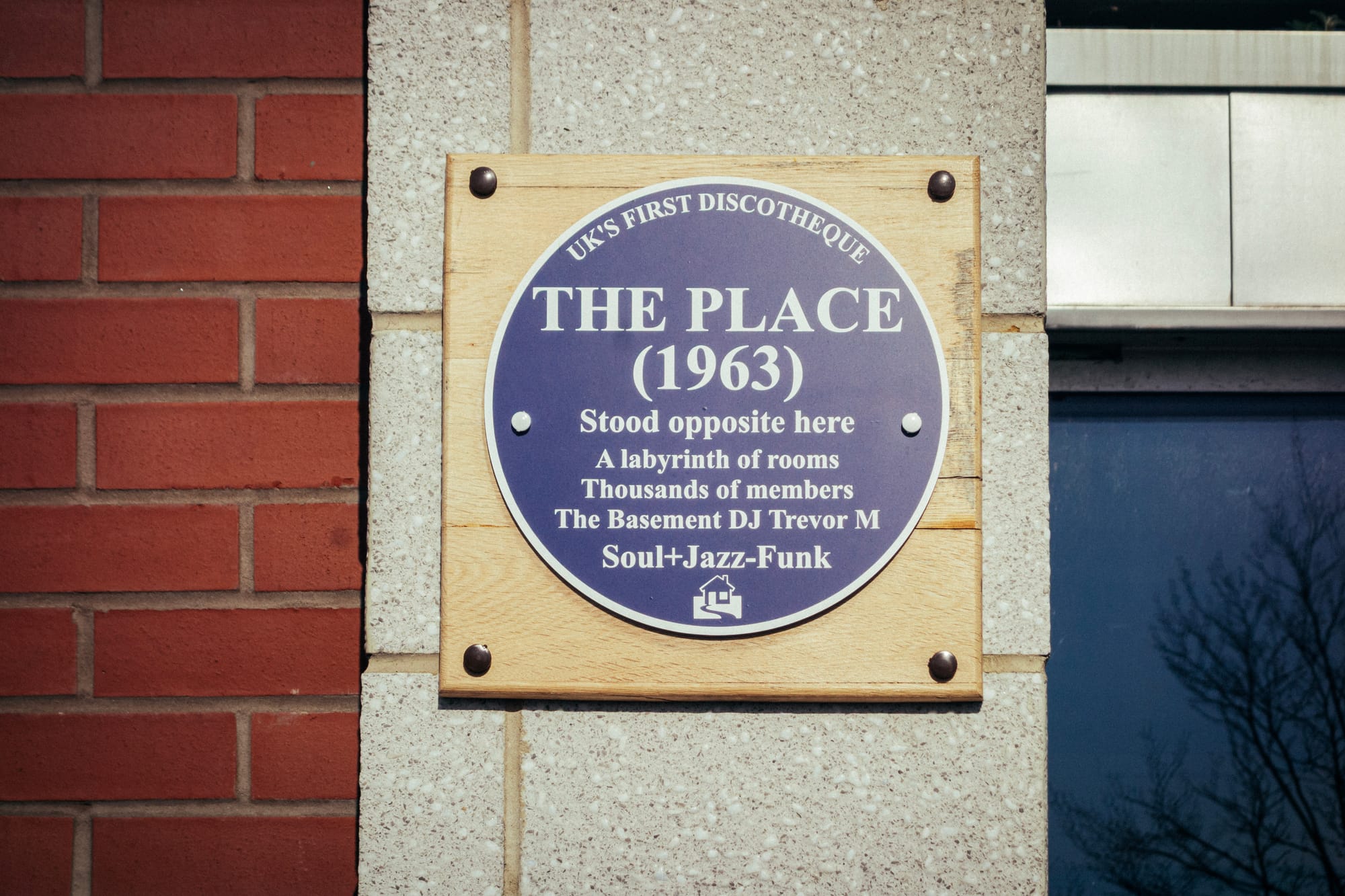
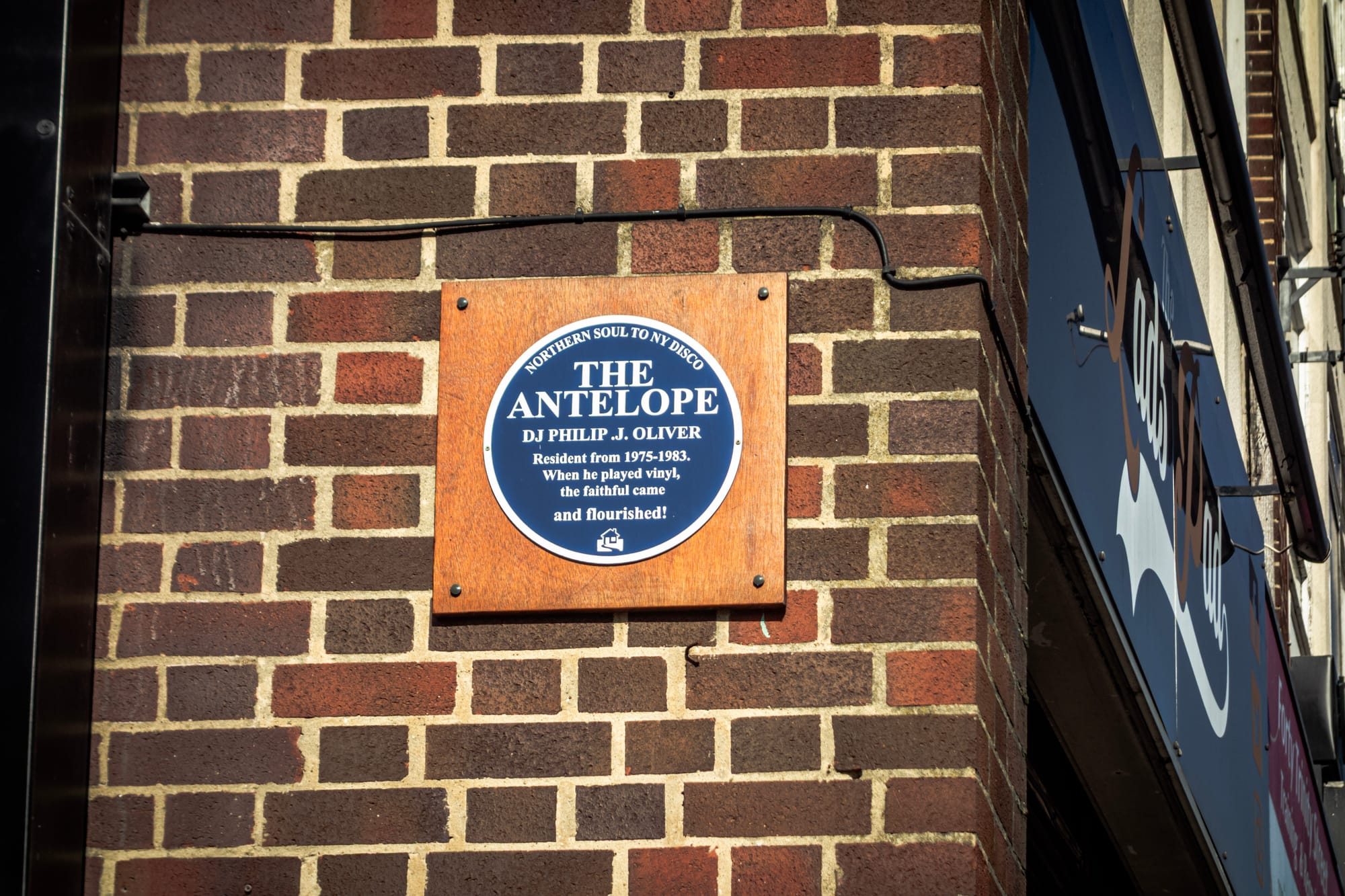
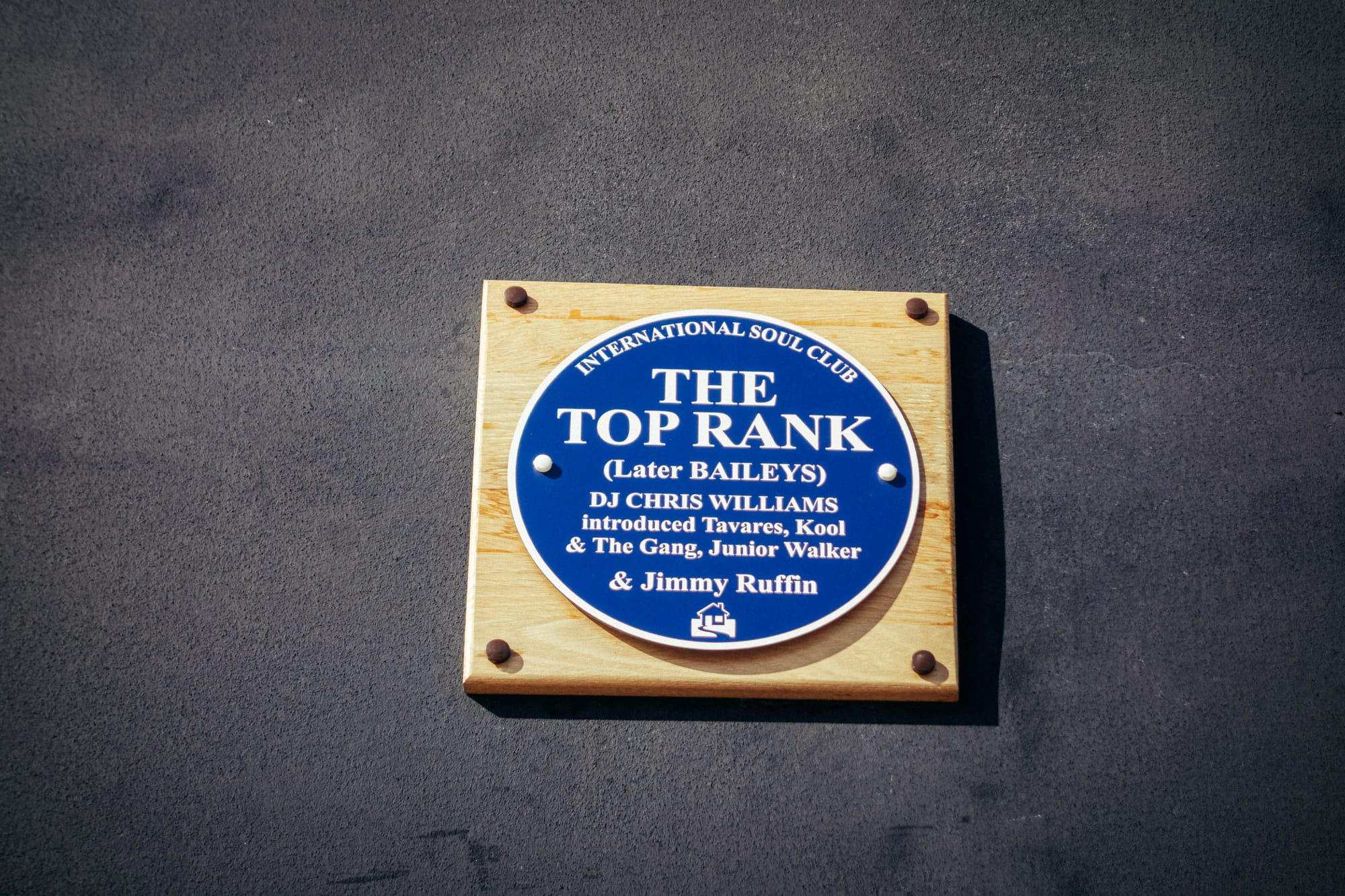
The mural: funded, sited, and one hurdle from reality
The plaques were only ever the start. With the "lost nightclubs" scheme complete, Phil and Bob began wondering about something bigger: a mural on nightclub culture, in the spirit of the ones that cover walls in Manchester and London. They tested the water with a Facebook group for former nightclub-goers, which has since passed 500 members, and the project has now moved firmly into the planning stage.
The plan is a 125 square metre mural, designed and produced by acclaimed local artist Tom Edwards, whose work can be seen at www.tomedwards.art. Rather than focus on one club or one genre, it will commemorate the full sweep of the city's nightclub history: the Torch, one of the birthplaces of Northern Soul; the Place, believed to be the UK's first purpose-built discotheque, dating to 1963; the Top Rank and Baileys; the Heavy Steam Machine, in its day the largest disco in Europe; Tiffany's; the Placemate and Maxims; Jollees, Longton's own slice of Las Vegas; and Valentino's, Regime's, Satchmo's, the Void and Shelley's.
The money, remarkably, is now in place. The group raised £1,500 through a JustGiving page, JCB then donated a further £1,500, and last week the outstanding £8,000 needed for the project arrived, courtesy of donors who have asked to remain anonymous for now. Between community fundraising and that quietly generous final push, the mural is fully funded.
A site has been agreed, too. The owner of the Victoria Lounge on Hanley's Piccadilly, ST1 3AF, previously known as Reardon's, has kindly offered the outside wall of her club to host the piece. It is hard to imagine a better spot: directly opposite the Victoria Hall and the new bus station, guaranteeing the sort of footfall most public art can only dream of.
There is one hurdle left. The Victoria Lounge sits within Hanley's city centre conservation zone, which means a planning application is required before a brush touches the wall, and there remains a little possibility the group will need to consider an alternative site if that does not go their way. Phil and Bob are treating it as a challenge to be worked through rather than a reason to worry.
What is not in doubt is the motivation behind it. "We are doing this for the city, not ourselves," the group says. The mural is intended to showcase what an entertainment hub Stoke-on-Trent once was, to give the city a boost in self-esteem, and to teach a younger generation about the Northern Soul, Motown, disco and house scenes that shaped their parents' and grandparents' Saturday nights. There is a practical hope attached too: that a striking piece of public art opposite the bus station will draw more people into the city centre itself.
It is, in other words, exactly the spirit that put the first blue plaque up on Marsh Street with nobody watching. Ask forgiveness rather than permission, do it for the love of the place, and let the city catch up. So far, it has.
If you would like to support the mural, whether that is funding, materials, or simply spreading the word, get in touch with the group via Facebook.
Photos: Jenna Goodwin / The Staffordshire Signal
Enjoyed this story?
The Staffordshire Signal is a not-for-profit, community-funded publication. Every tip helps keep local journalism free, independent, and focused on the stories that matter across Staffordshire.
Every contribution supports reporting, photography, and storytelling across the county.
Join The Staffordshire Signal on WhatsApp
Never miss a single breaking update, local news story, community event, or deep dive. See everything happening in Staffordshire first, straight to your phone!
Get Instant Updates

 New PM cuts tax on household electricity bills to give breathing space for people in Stoke-on-Trent
 Historic Grade II listed Stoke-on-Trent canal-side house to go under the hammer
 Join Team Dougie Mac at this year’s Potters ‘Arf
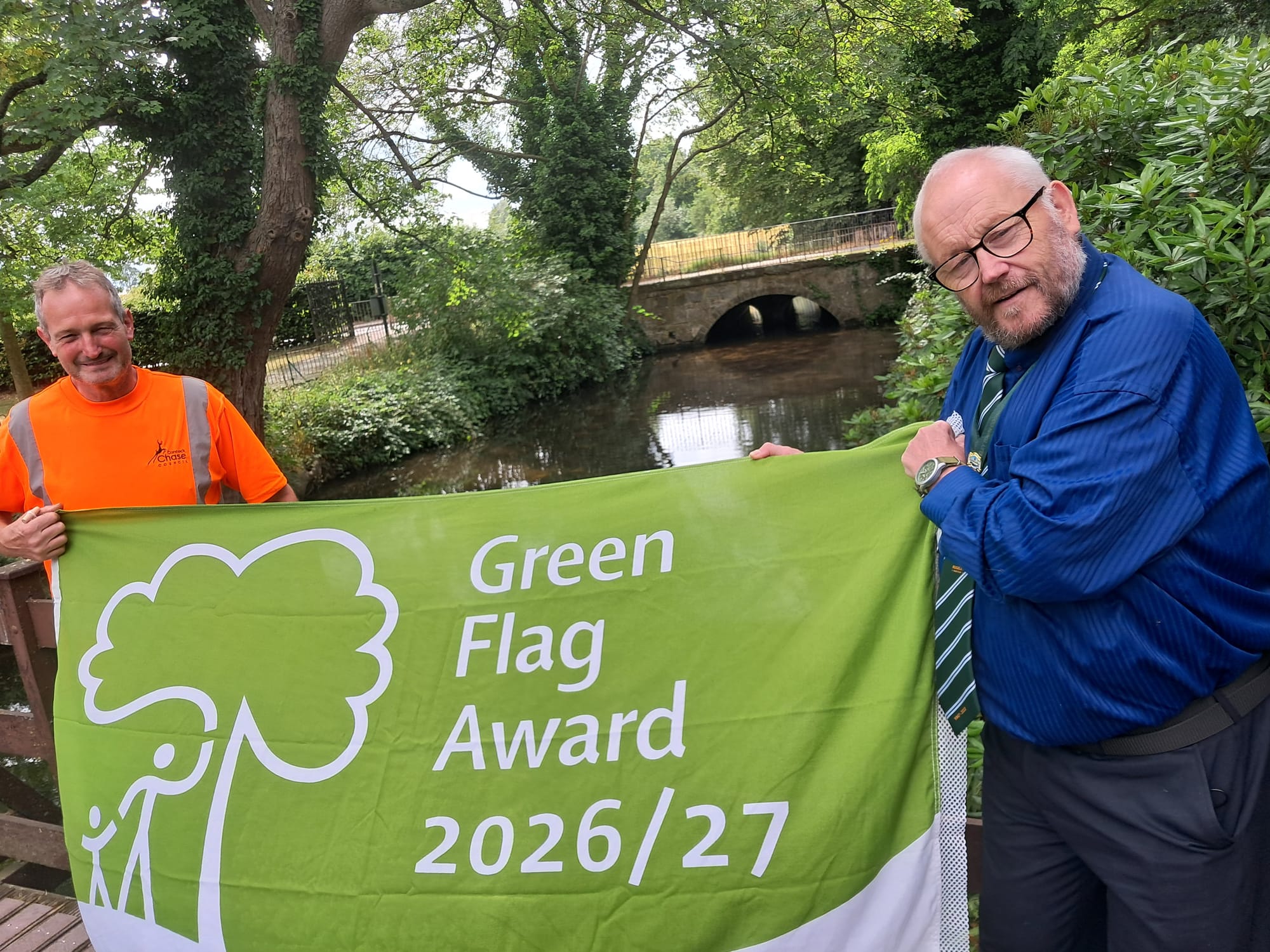 Six Cannock Chase parks and green spaces retain prestigious Green Flag status