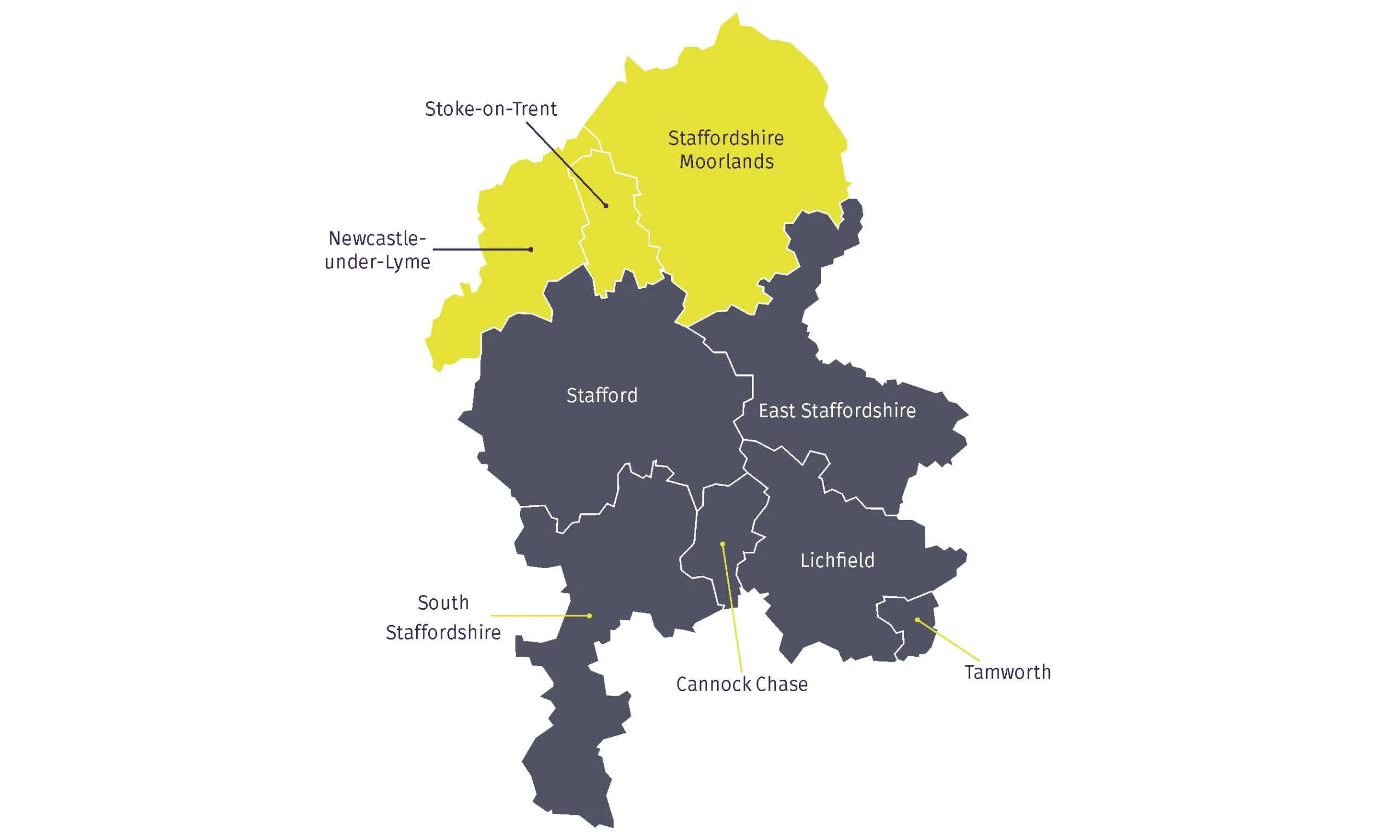
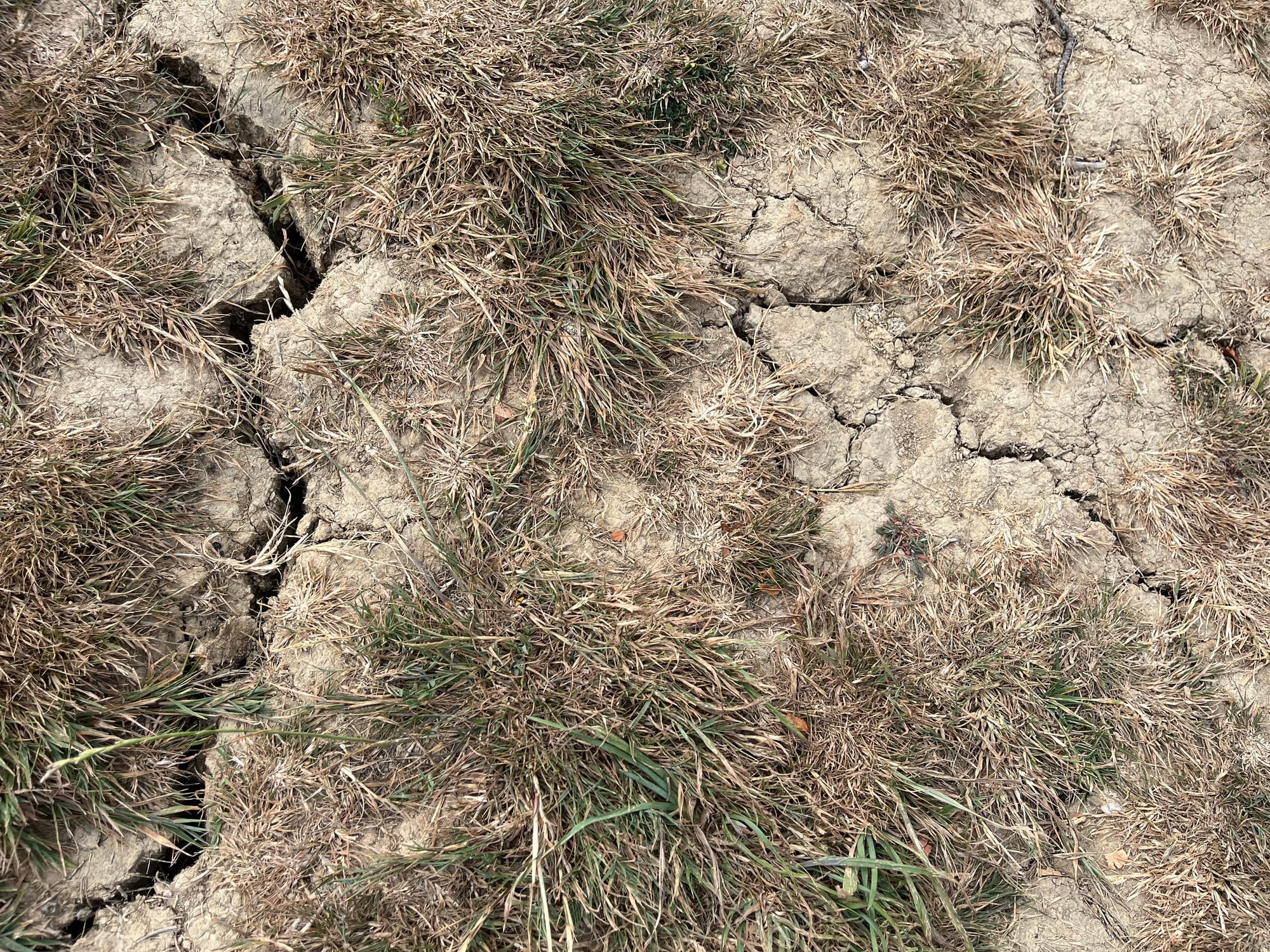
Hosepipe bans, parched landscapes, water scarcity and greenspaces devastated by fires. The summer of 2026 has wreaked havoc on Staffordshire.
Low rainfall is causing extreme concern. Last week (29 July) the Environment
Agency declared drought in the West Midlands. The majority of rivers in England are running low (78%). Reservoir storage has fallen to 75.3% of capacity, and water
restrictions are affecting approximately 23 million customers.*
Staffordshire Wildlife Trust nature reserve staff are on high alert. The threat of fire is higher than ever with the news reporting a continuous stream of fires devastating precious wild places, and people even being evacuated from their homes. Last week we saw fires destroy woodland near Cheadle, and heathland at Etchinghill (Rugeley) and on Cannock Chase.
Sadly, raging fires and dwindling water sources are the new “normal”. Which is why it’s vital to work with nature and restore natural processes across our landscapes, making them more resilient in times of drought. We need greater natural water storage.
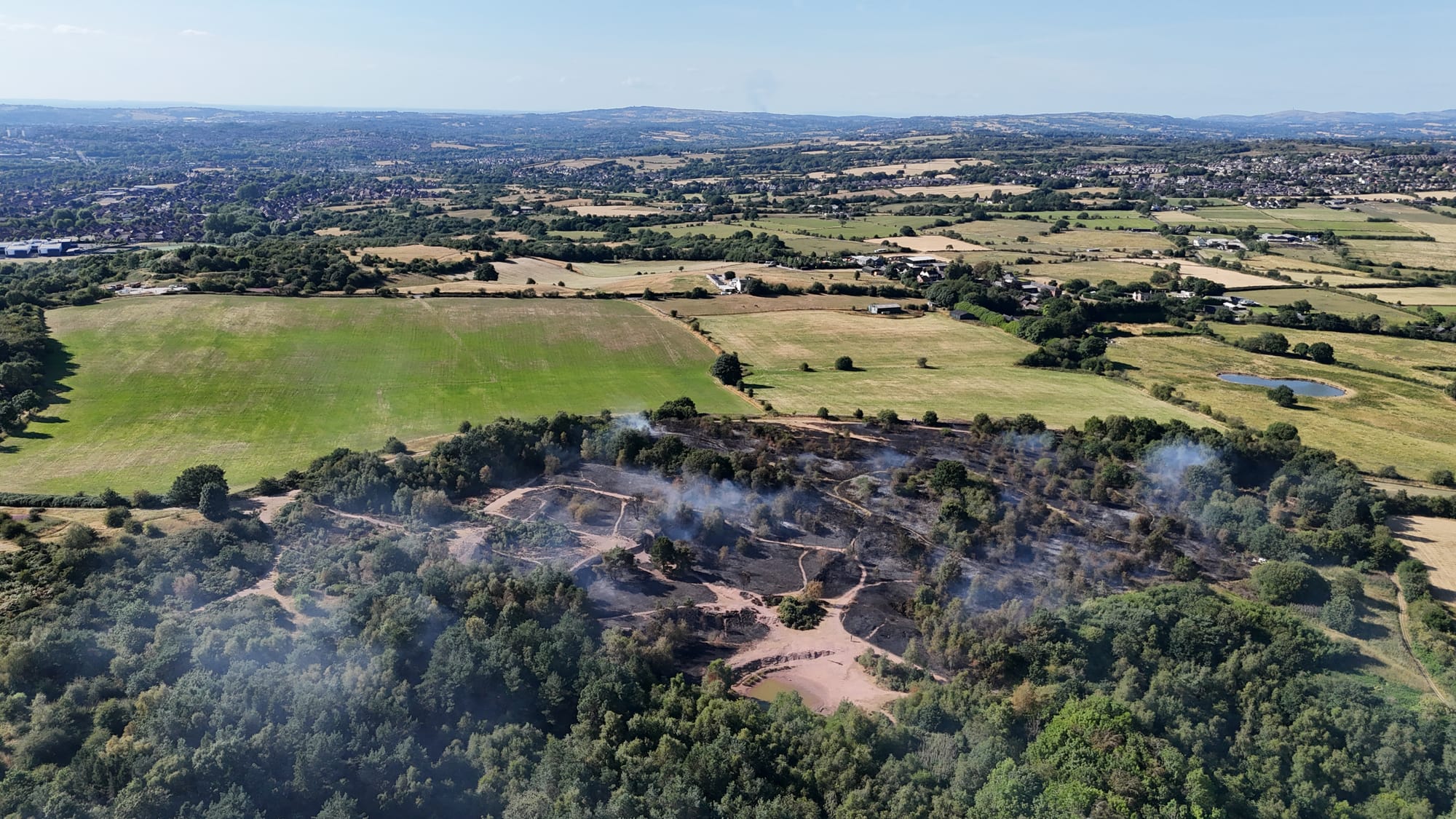
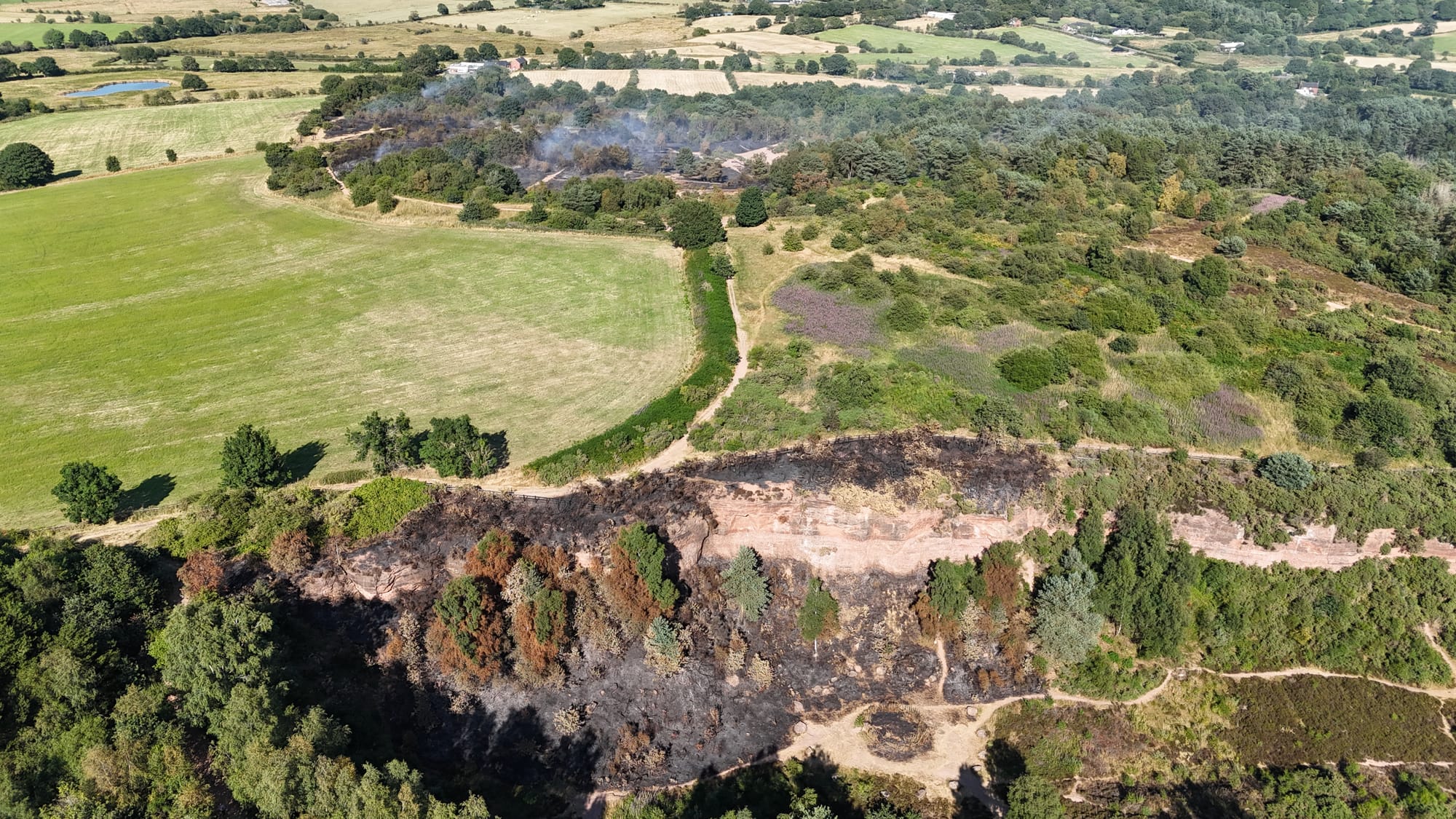
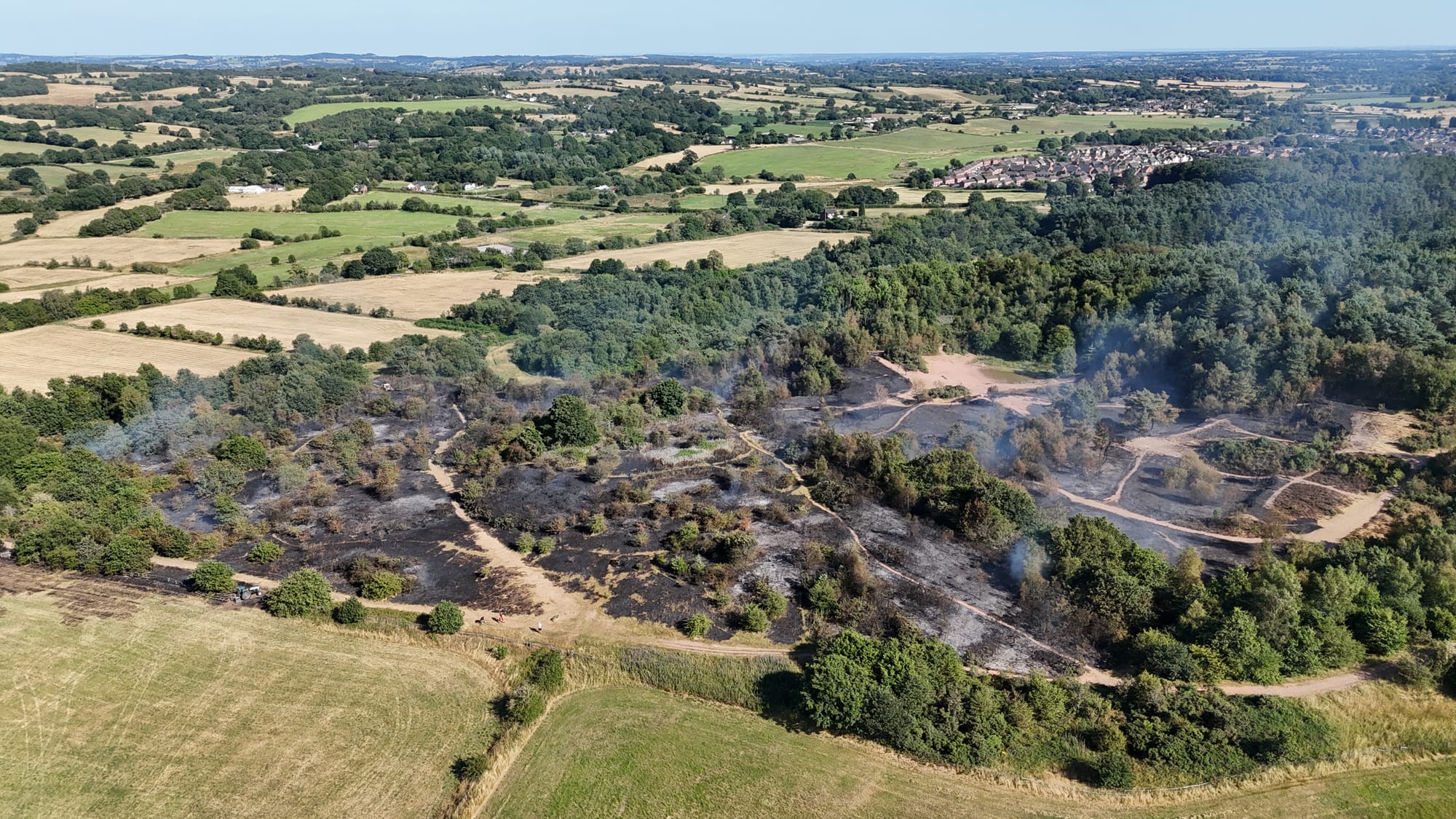
Park Hall Country Park fires July 2026
Jeff Sim, Head of Nature Reserves at Staffordshire Wildlife Trust, says:
“We need people visiting our nature reserves to be extra vigilant - at the first sign of fire or smoke, call 999 immediately and ask for the fire service.
“Our county is under extreme pressure - rivers, wetlands, and soil across the county are struggling following one of the driest periods on record. Many ponds and lakes have dried up, everywhere is tinder dry, and many types of wildlife is struggling to find the water and food it needs to survive.
“Each day we’re seeing fires devastate greenspaces and my team is incredibly worried. In an instant we could lose years of careful restoration work. It can take decades for land to recover from fire, even with dedicated intervention and restoration work.
“We’re also seeing the impact of climate change on many of our reserves. For example, Radford Meadows in Stafford should offer pools of water across the floodplain, yet many are drying up. It's usually a place to see masses of dragonflies and waders like lapwing and little ringed plover but right now there are so few about. What should be an oasis for nature is becoming barren.”
The Trust continues its work to make its nature reserves more resilient. Creating and maintaining firebreaks to slow or stop the spread of fires. Plus restoring damaged habitats and rewetting peat so wildlife can return.
Staff are also carrying out patrols of high-risk sites.
“We’re regularly stopping people from having BBQs and explaining to them why it’s not safe. We have huge signs all over our high-risk reserves but we’re still seeing people bring them without any understanding of why they can’t be used.”
Jeff adds.
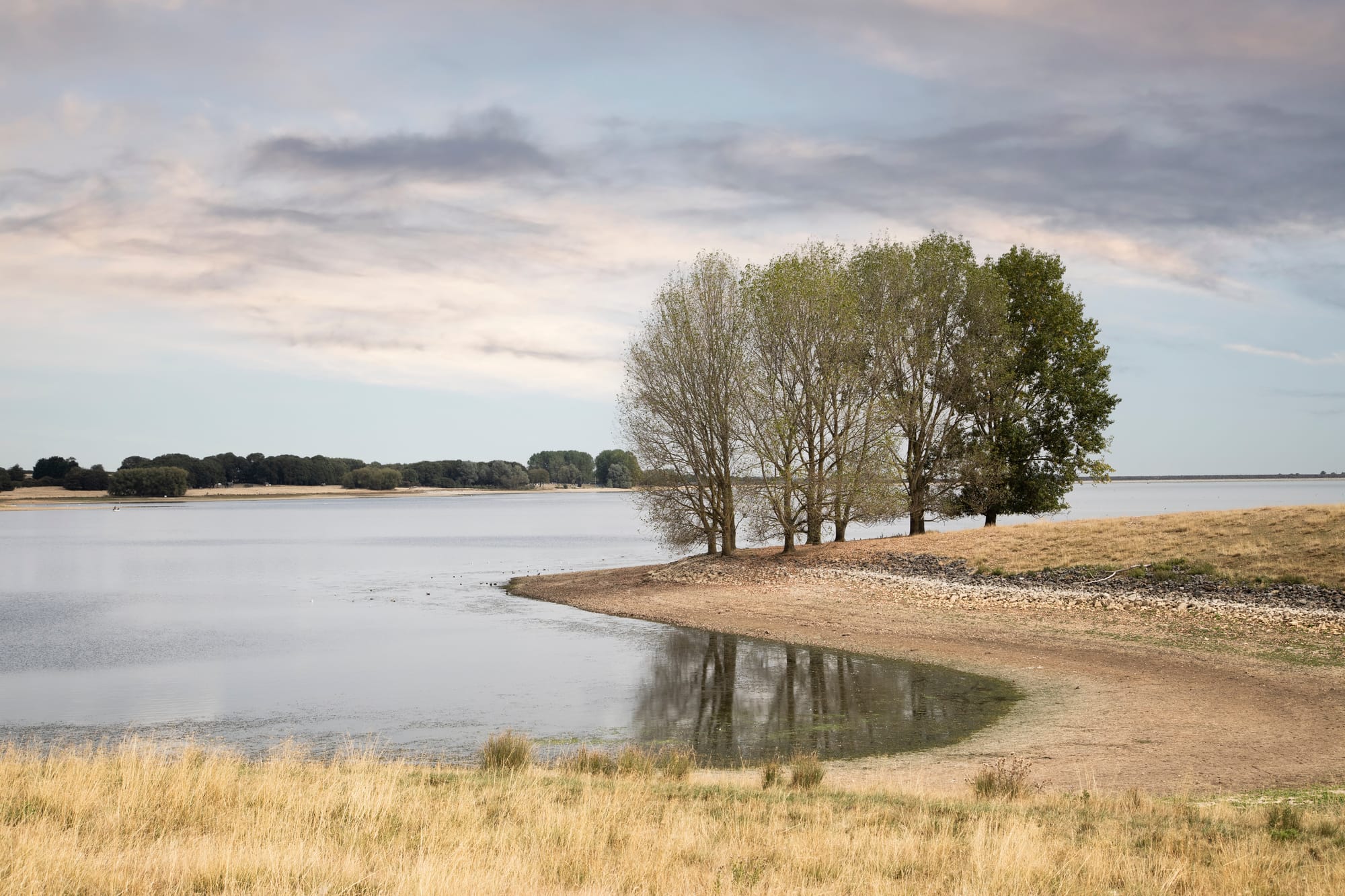
Weather extremes are here to stay. We’re seeing wetter winters followed by hotter,
drier summers. These prolonged periods without significant rainfall are becoming the norm as the climate changes.
Jeff concludes:
“Nature plays a vital role in helping communities prepare for and adapt to drought. We know that healthy ecosystems and landscapes which hold water are essential for future resilience in times of drought, but also during high rainfall.
"Historically we altered our landscapes to move water through them as quickly as possible. While that may have helped in the short term, it is to the detriment to wetland wildlife and leaves us less able to cope when rainfall becomes scarce. By improving the way our landscape functions, we can give nature and communities a better chance of coping with the hotter, drier conditions we’re seeing.
"We’re working with landowners, local authorities, and partners to create better resilience to both drought and flooding. Work such as our project at Doxey Marshes Nature Reserve will increase natural water storage and improve biodiversity and we’ll continue to do more climate adaptation work around the county.”
There are lots of ways that we can all give wildlife a helping hand when it's hot.
For suggestions and ideas visit:
Help wildlife in the hot weather | Staffordshire Wildlife Trust
Support local journalism
Help us grow the Signal
Every tip goes towards expanding what we cover, more reporters, more events, more of Staffordshire's stories told properly. If this was worth reading, help us do more of it.
Every contribution supports reporting, photography, and storytelling across the county.

 Major Motorcycle Brands, Inspiring Speakers and Hands-On Experiences Come to Staffordshire for Women in Moto 2026
 Staffordshire residents urged to prepare as home phone changes move closer
 Views sought on protecting public spaces from dog fouling
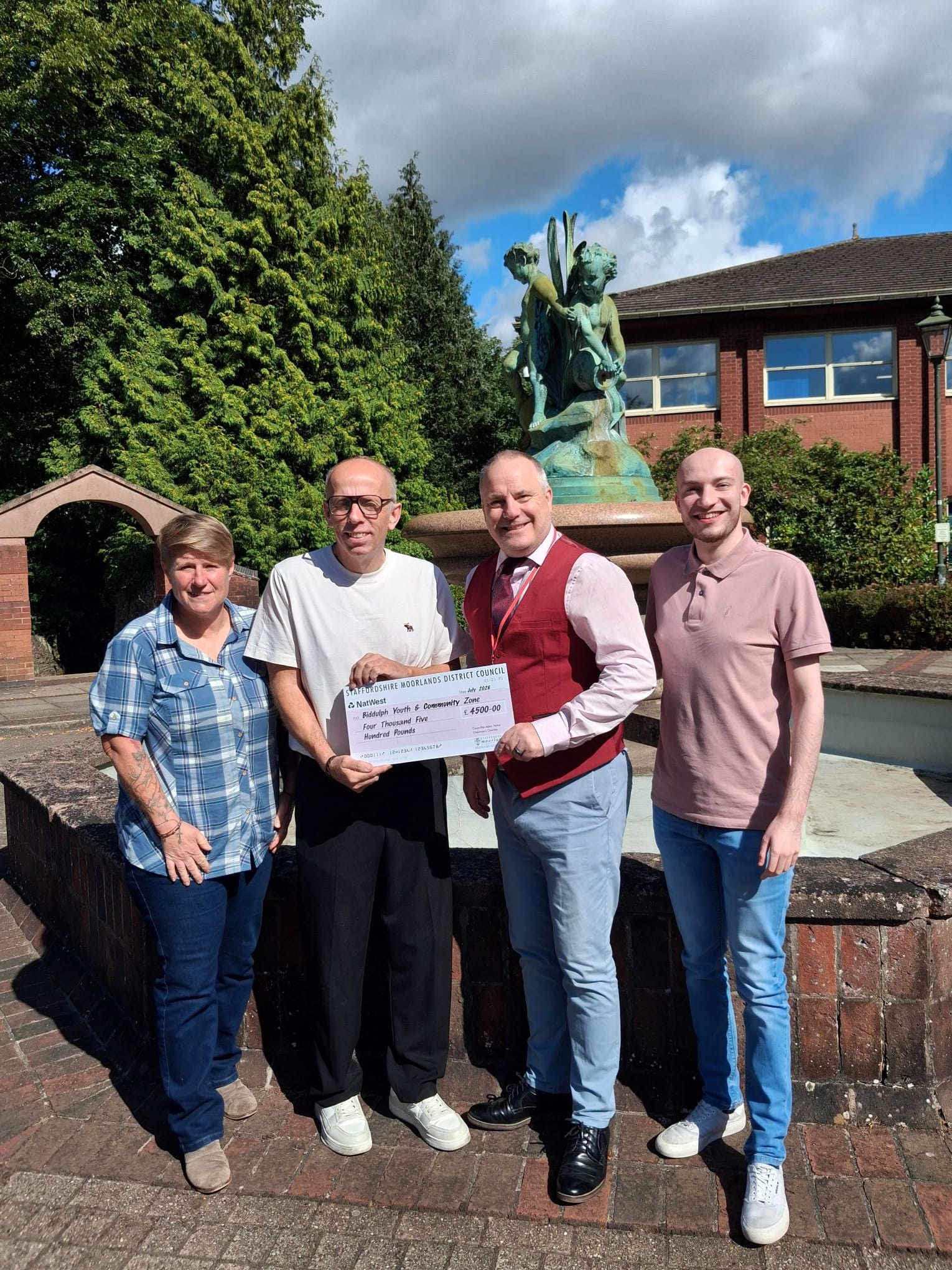 Former Chairman presents cheque to his chosen charity
 Warning after £1k fines following fly-tipping in Stafford Borough