Around 4,000 missions a year, 24 hours a day, and not a penny of NHS or Government funding for any of them. We went behind the scenes at Midlands Air Ambulance Charity to meet the crews who race to Staffordshire's worst emergencies, and found out why they need you more than you think.
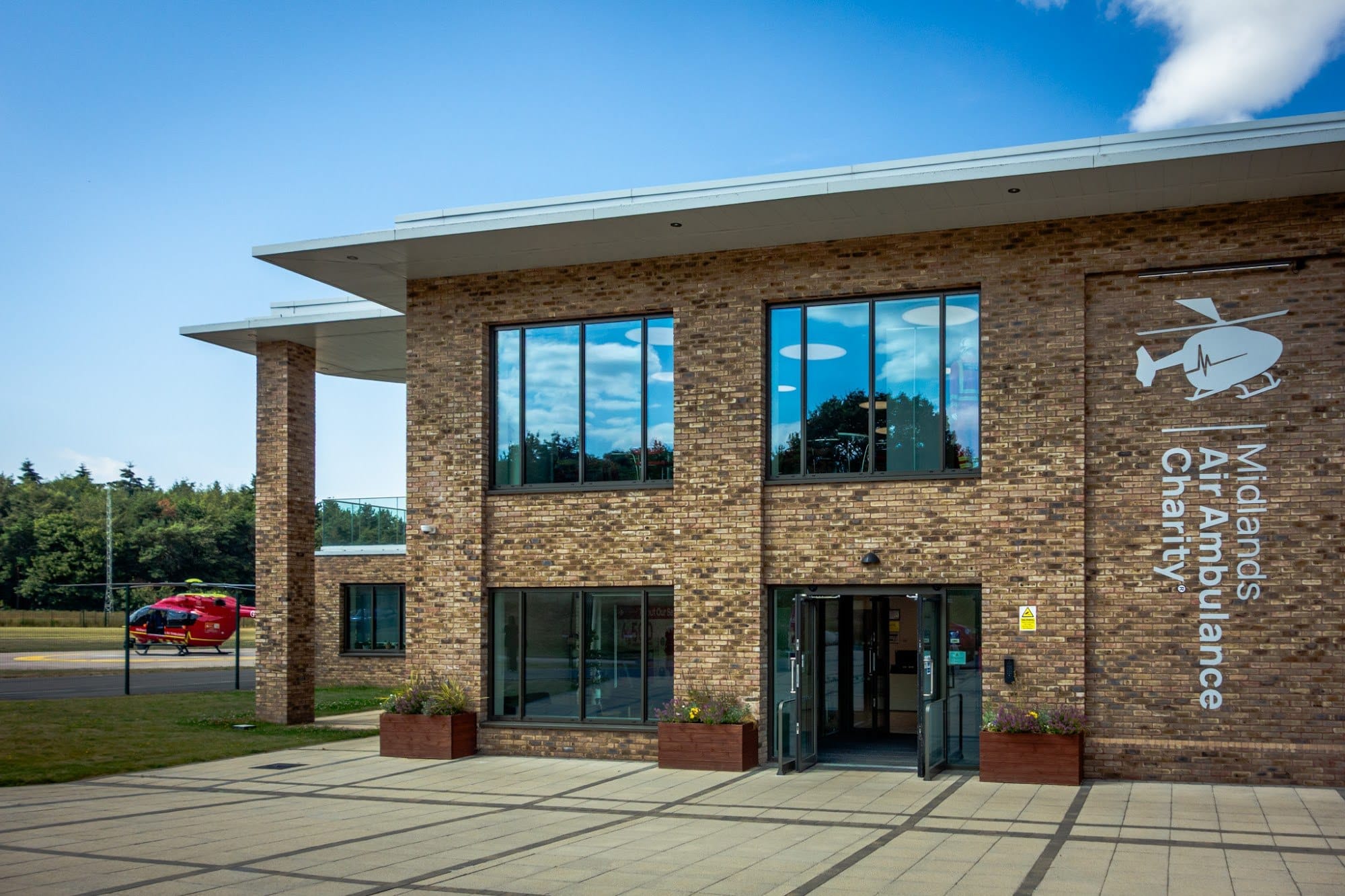
It is a properly hot day at Midlands Air Ambulance Charity's headquarters, tucked beside RAF Cosford at Shifnal, and the first thing that strikes you is not the helicopters parked nearby, or the row of gleaming critical care cars in the garage. It is how ordinary everything feels, right up until the moment it very much is not.
What's new: The Staffordshire Signal went behind the scenes at Midlands Air Ambulance Charity's headquarters at Cosford, to find out what really happens when the red helicopter takes off.
By the numbers: Around 4,000 missions a year, 24 hours a day, 365 days a year, and £20 million needed every year to keep it all going.
Why it matters: The charity receives no NHS or Government funding for its daily missions, so every one of them depends on the public's support.
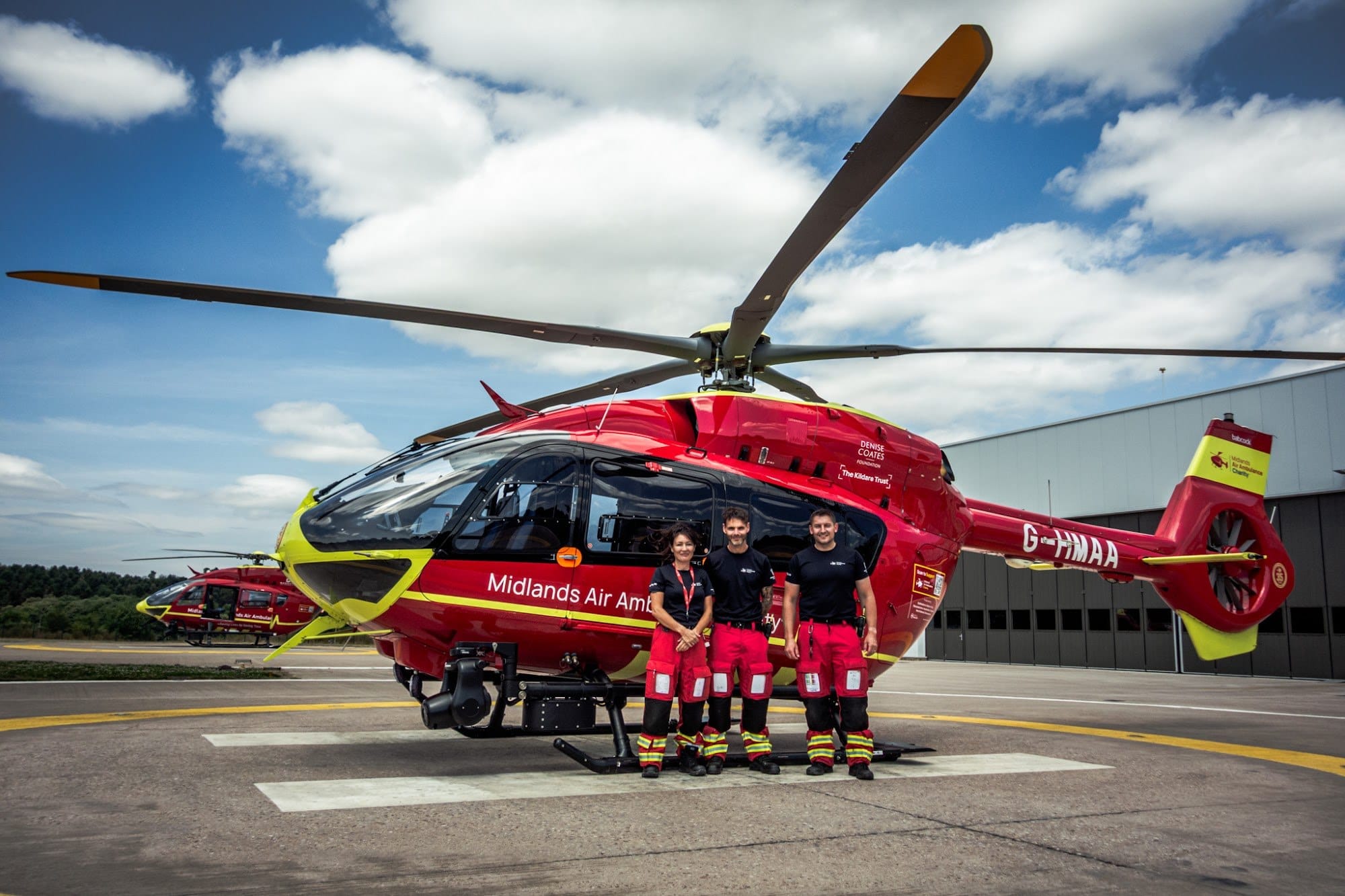
We were shown round by Eleanor Cook from the charity's corporate partnerships team, who first suggested the visit when we met at a Staffordshire Chambers networking event in Leek. She spent the best part of an afternoon walking us through every part of the site, patiently answering every question we threw at her, and arranging for us to meet the on-duty critical care paramedics, Tom Hillidge, Colin Shurrock-Apps and Sarah Folley, who took time out of their shift to show us round the H145 helicopter and critical care cars and talk us through exactly what they do.
I have spent a lifetime watching the iconic red helicopters cross the Staffordshire sky, the way most of us do, with a passing thought and not much else. An air ambulance overhead usually means someone, somewhere, is having the worst day of their life. We have even stood across the road at the Cosford air show without giving the building a second glance. Beyond that, I will admit I knew almost nothing about the charity behind that helicopter, not giving a second thought to who is in it, what it costs, or how it is paid for. An afternoon at their headquarters changed that completely, and I think it should change things for you too.
Midlands Air Ambulance Charity is not part of the NHS. It receives no Government funding for its daily missions. Every flight, every roadside blood transfusion and every lifesaving mission is made possible by people like us, through raffle tickets, coffee mornings, legacy giving, a weekly lottery draw, corporate partnerships and charitable donations. Given what I saw inside those cars and that helicopter, I think that deserves to be far better known.
A patch bigger than you'd guess
Midlands Air Ambulance Charity covers six counties, Gloucestershire, Herefordshire, Shropshire, Staffordshire, Worcestershire and the West Midlands, making it the largest air ambulance operating patch of any service in England. It operates three helicopters from strategically placed airbases, here at Shifnal in Shropshire, at Tatenhill near Burton, and at Strensham on the Gloucestershire and Worcestershire border, and a fleet of critical care cars alongside them.
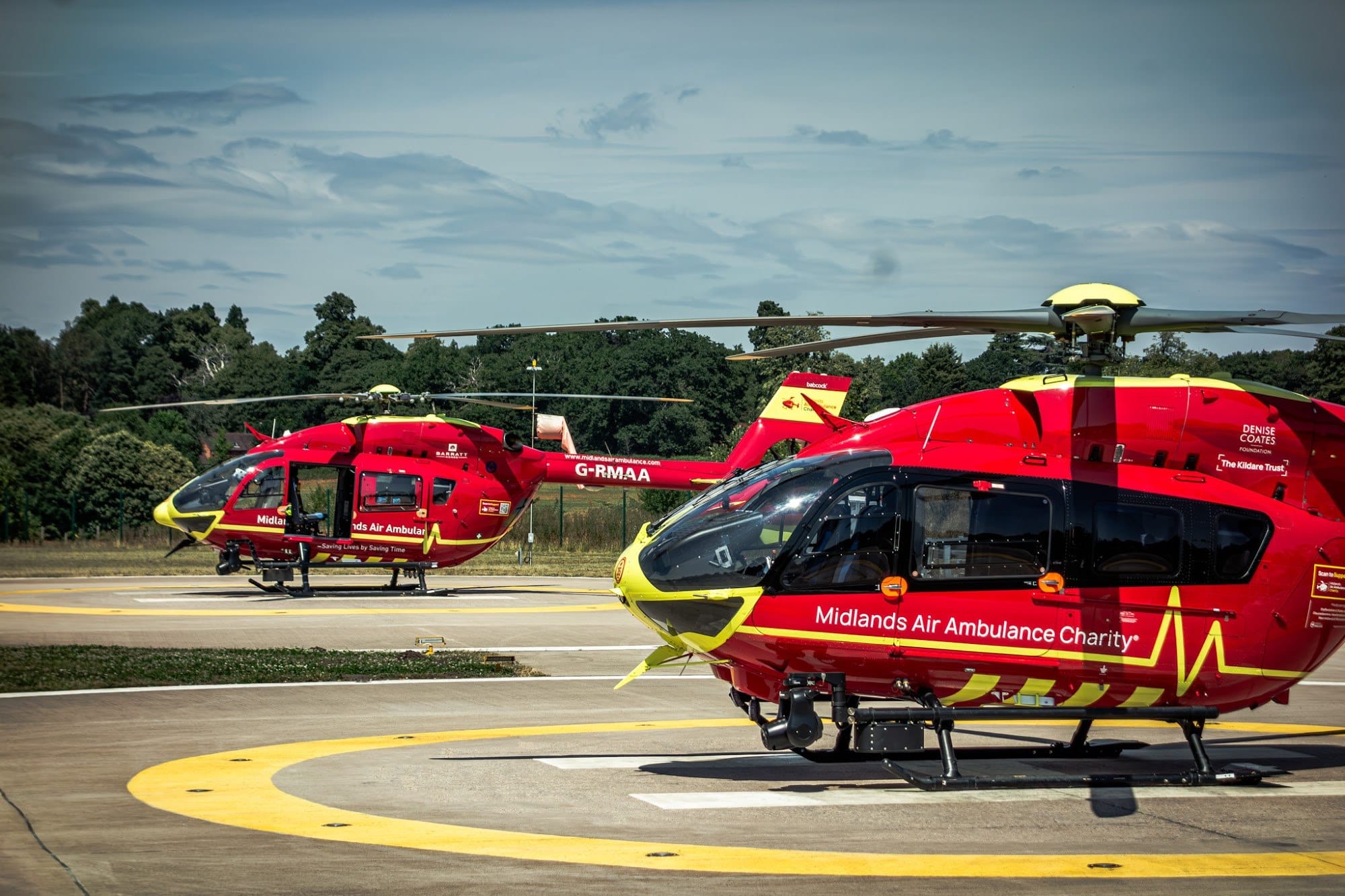
It has come a long way. This year the charity marks 35 years of flying, and in 1991 it was a single helicopter, flying five days a week and chained to a tree overnight. Today it runs a round-the-clock service rated Outstanding by the Care Quality Commission. Before this purpose-built headquarters went up, the site was just a field, the helicopter lived on the airfield with a Portakabin for company, and the charity's head office was miles away in Stourbridge.
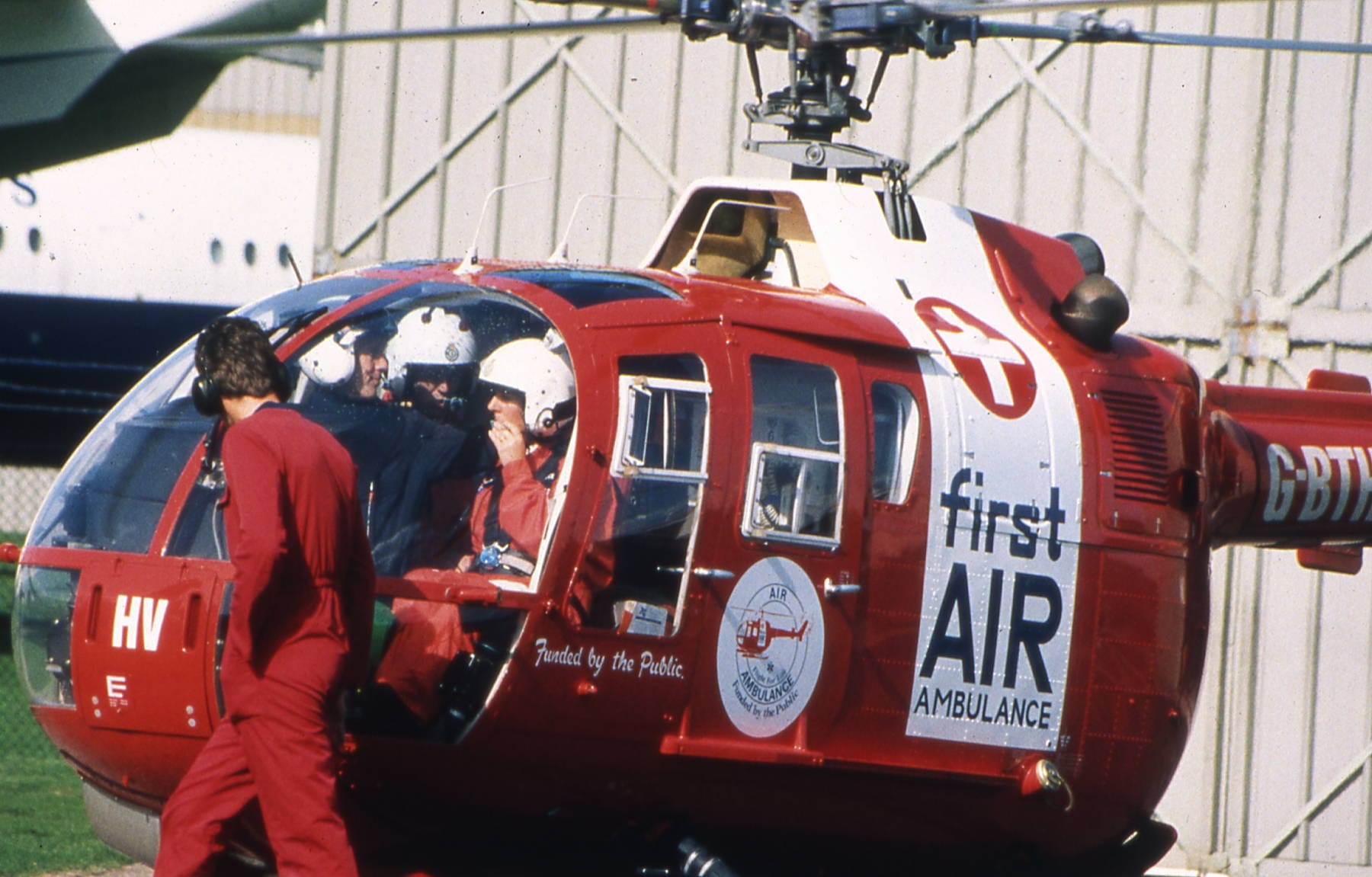
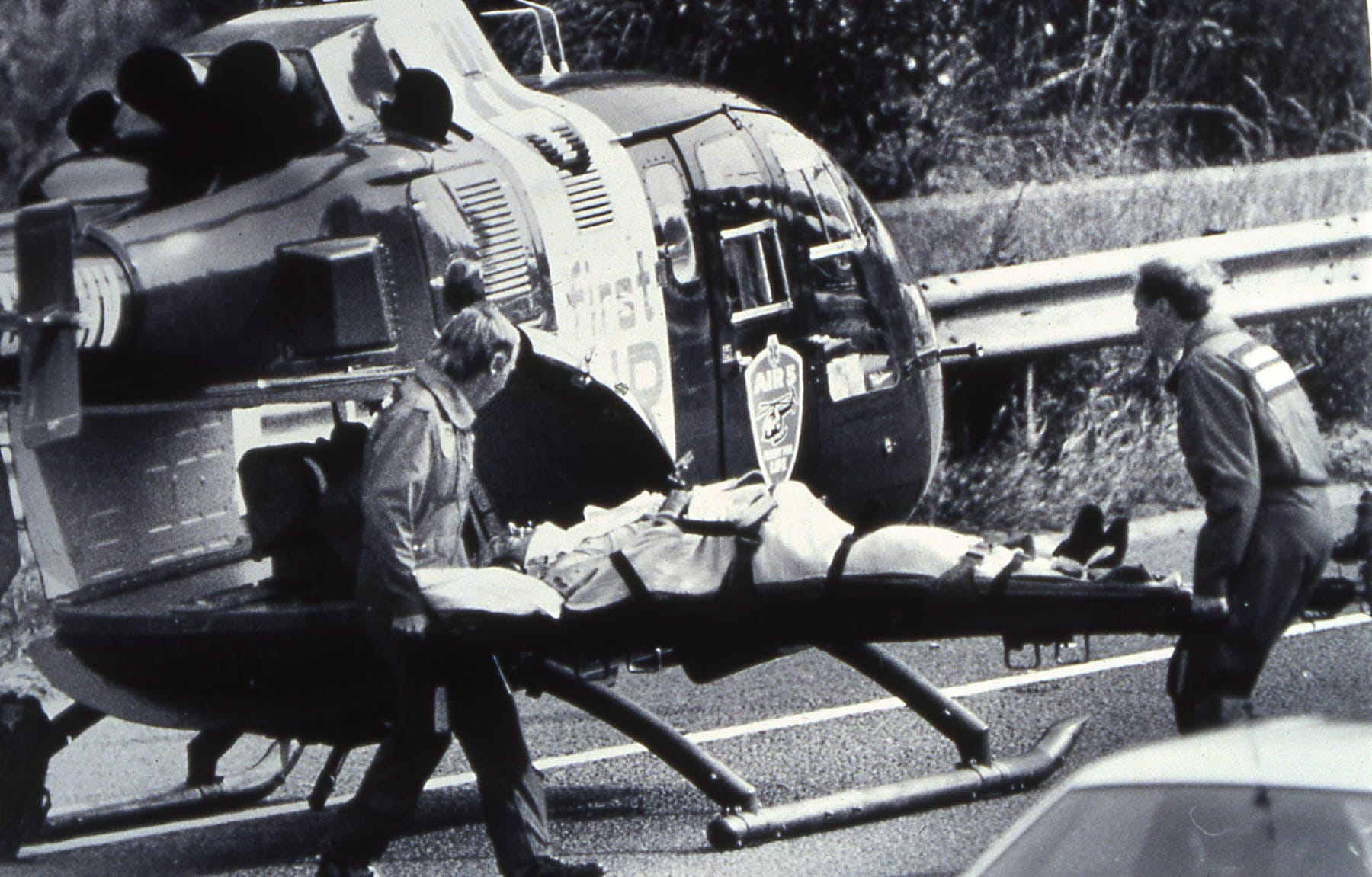
From the archive: the charity's early years. Photos courtesy of Midlands Air Ambulance Charity.
The charity now averages 4,000 missions a year, operating 24 hours a day, 365 days a year. On the ground during our visit, the team put it more simply: about ten calls a day across the three bases, though any one crew might fly seven times one day and not at all the next. The one constant, they told me, is the M6 and A50 corridor running straight through their patch, which keeps Staffordshire firmly on the radar.
“We're really lucky with the A50 and the M6, of course. It's really well positioned. It's just harvest, the roadworks, that sort of thing.”
Helicopters by day, cars by night
Here is something most of us have never stopped to consider: the helicopters do not fly after dark. Legally, they can operate up to half an hour after sunset, at the pilot's discretion, and only with a cloud base of at least 500 feet. Once light fails, the same crews simply move into the critical care cars instead, carrying exactly the same kit, trained to exactly the same high standard.
Whether by helicopter or critical care car, Midlands Air Ambulance Charity's crews are called to incidents where every minute matters. Land ambulance teams are usually first on scene, carrying out the basics, checking airways, monitoring blood pressure, before Midlands Air Ambulance Charity's crew arrives to take things further. As one crew member put it to me, it is usually paramedics on the road who call them in, once they have reached the ceiling of what they can do.
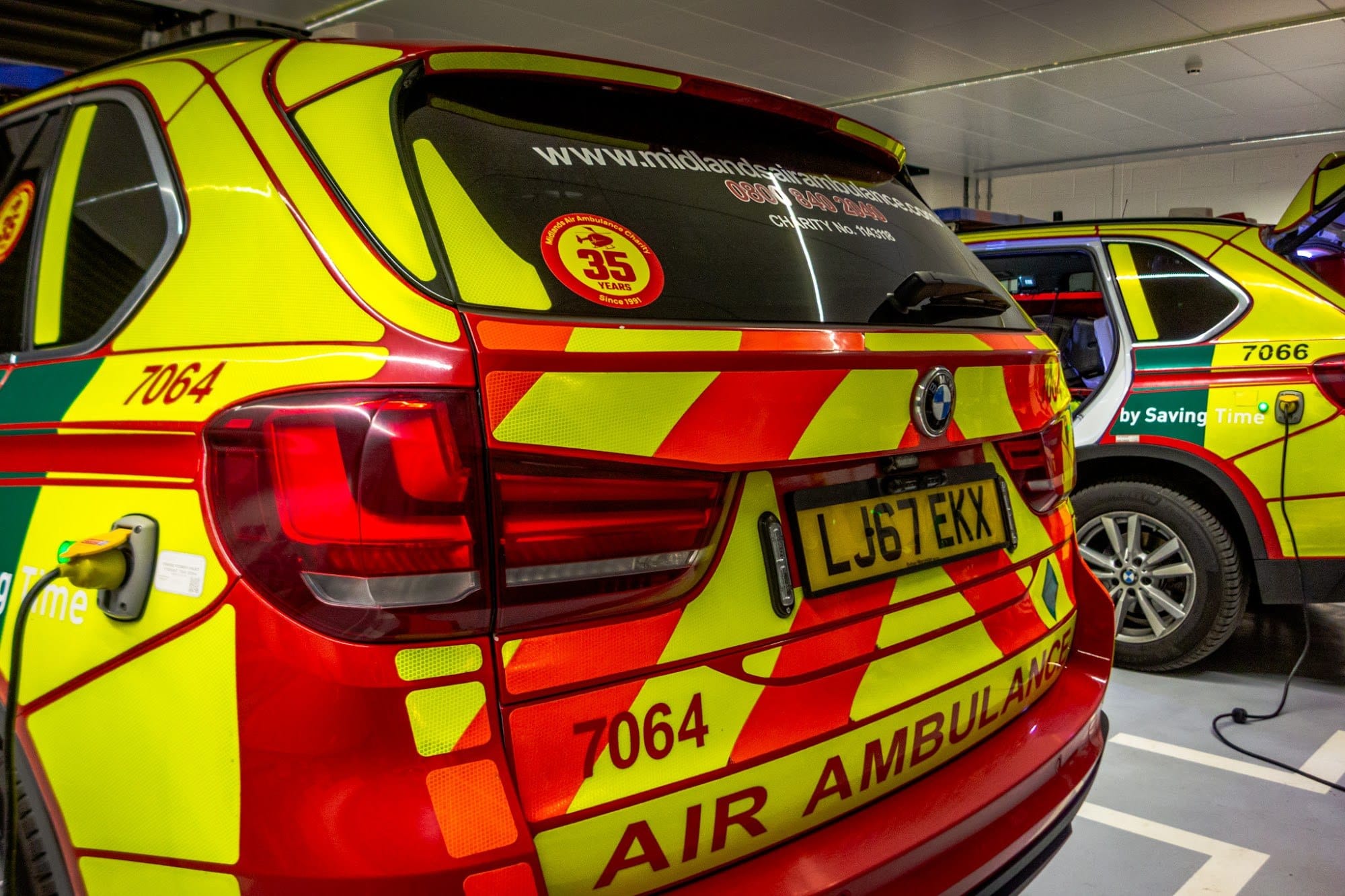
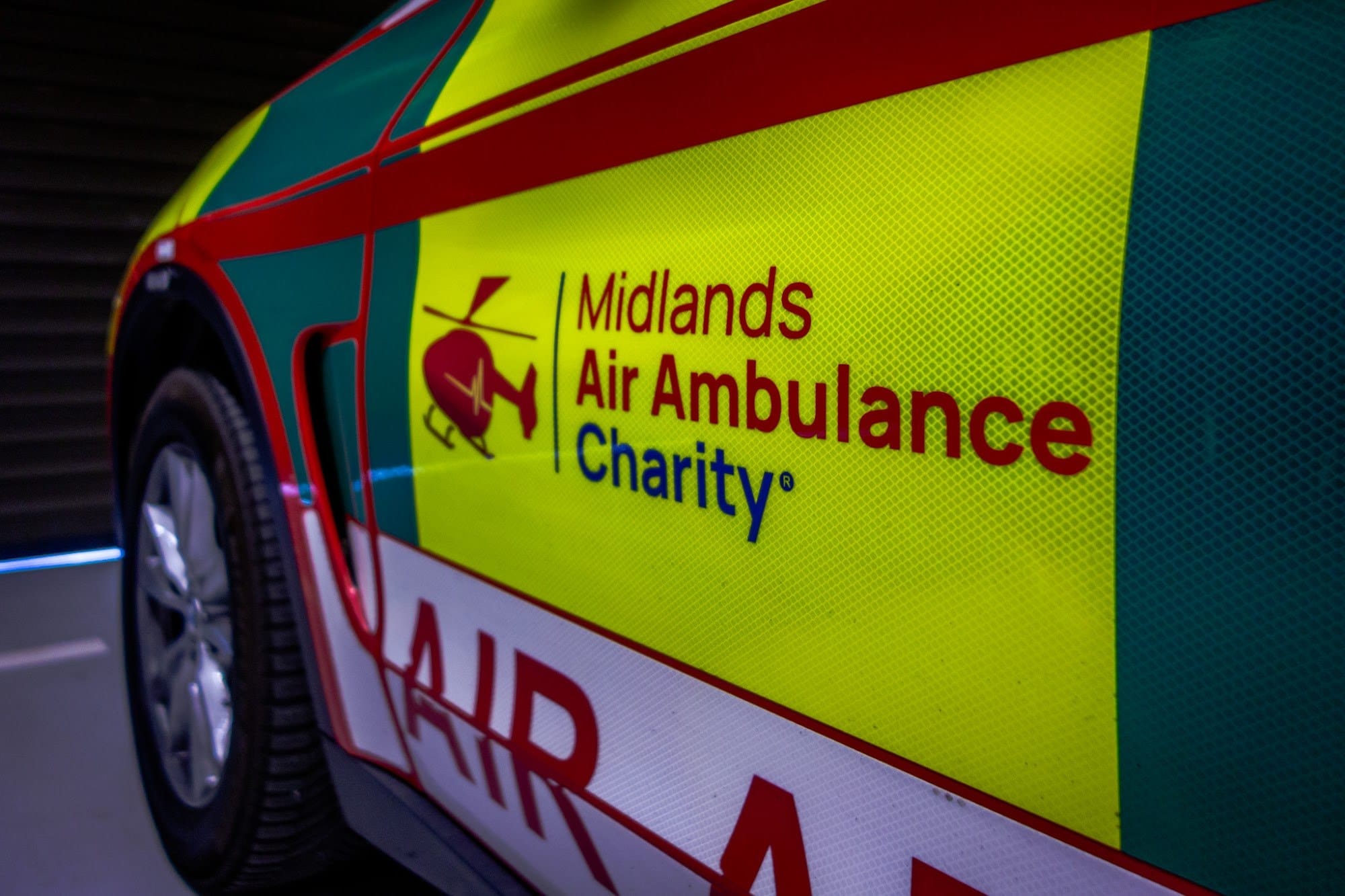
The critical care cars take over once the light fails. Photos: Natalee Trowbridge / The Staffordshire Signal.
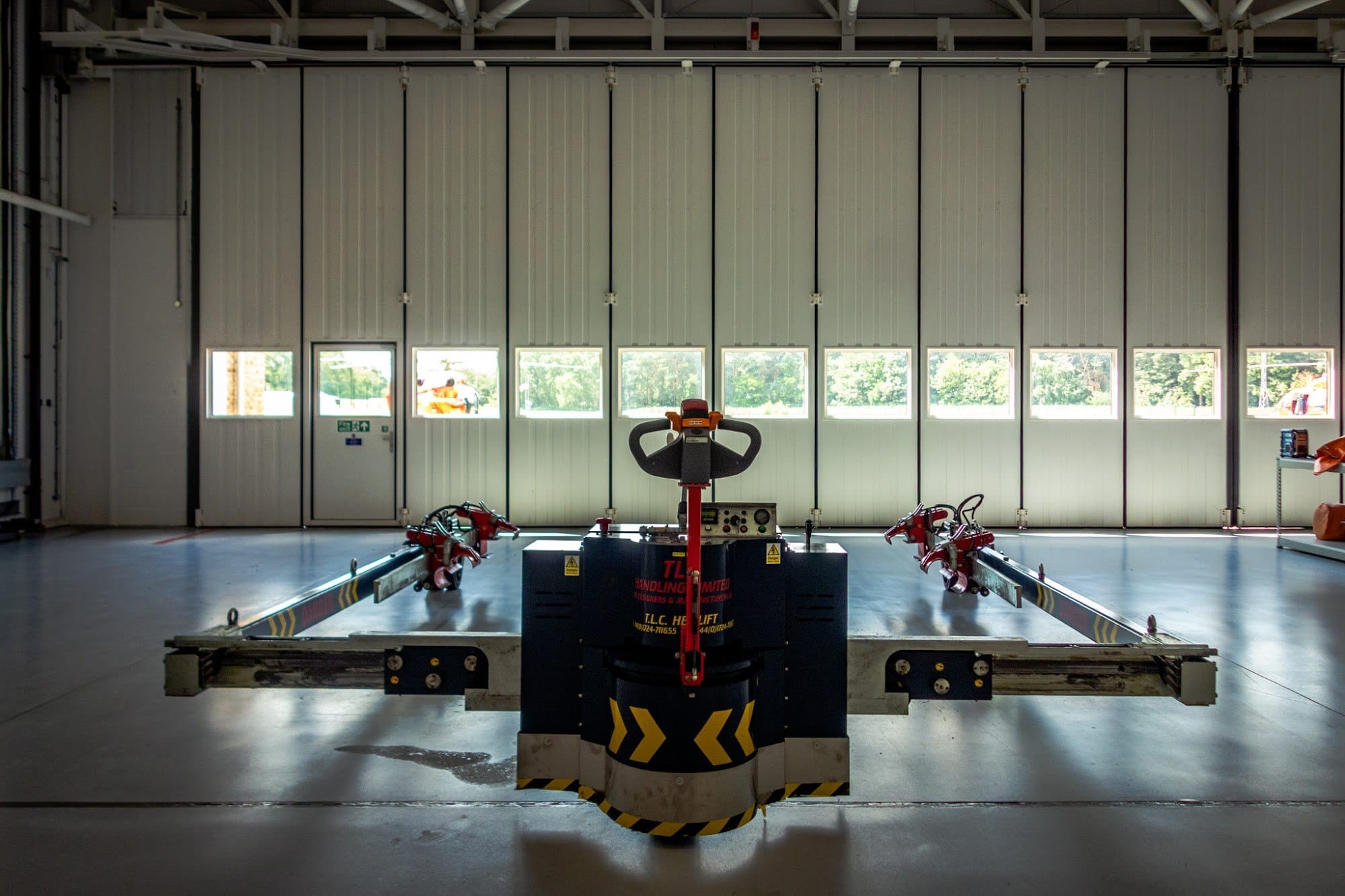
And in case, like me, you have always wondered how you get a helicopter out of a hangar when it has no wheels to speak of: a small towing frame called a Heli-lift lifts it, and the pilot simply walks it out behind them.
More than a fast ride to hospital
This was the single biggest thing I did not know, and I suspect most readers will not either. A Midlands Air Ambulance Charity crew is not simply a quicker way of getting to hospital. It brings hospital-level critical care to the roadside.
Most of the critical care paramedics started their careers as NHS land ambulance paramedics, in the green uniform, before training further in trauma medicine and advanced procedures. They are employed by the charity itself. Alongside them ride critical care doctors, consultant anaesthetists, A&E specialists, even military doctors, seconded from NHS hospitals such as Royal Stoke and the Queen Elizabeth in Birmingham for two to four shifts a month. These doctors bring valuable experience along with the ability to administer further medications and deliver more procedures at the scene.
In fact, flying someone to hospital is not always the point at all. Counterintuitively, a patient has to be stable to fly. Anyone likely to arrest again or needing more blood will often travel by land ambulance with the air ambulance crew on board. The helicopter's real job is getting the crew, the kit and the medicines to the patient at the scene of an incident as quickly as possible, effectively bringing the hospital directly to you.
“The air ambulance is like the pinnacle of being a paramedic. You get to the most serious cases, where you feel you can make the most difference.”
One of the crew told me he started out as a fitness instructor and lifeguard, joined the ambulance service at 21, and moved to what was then County Air Ambulance about 18 years ago. He has been “happily stuck” there ever since.
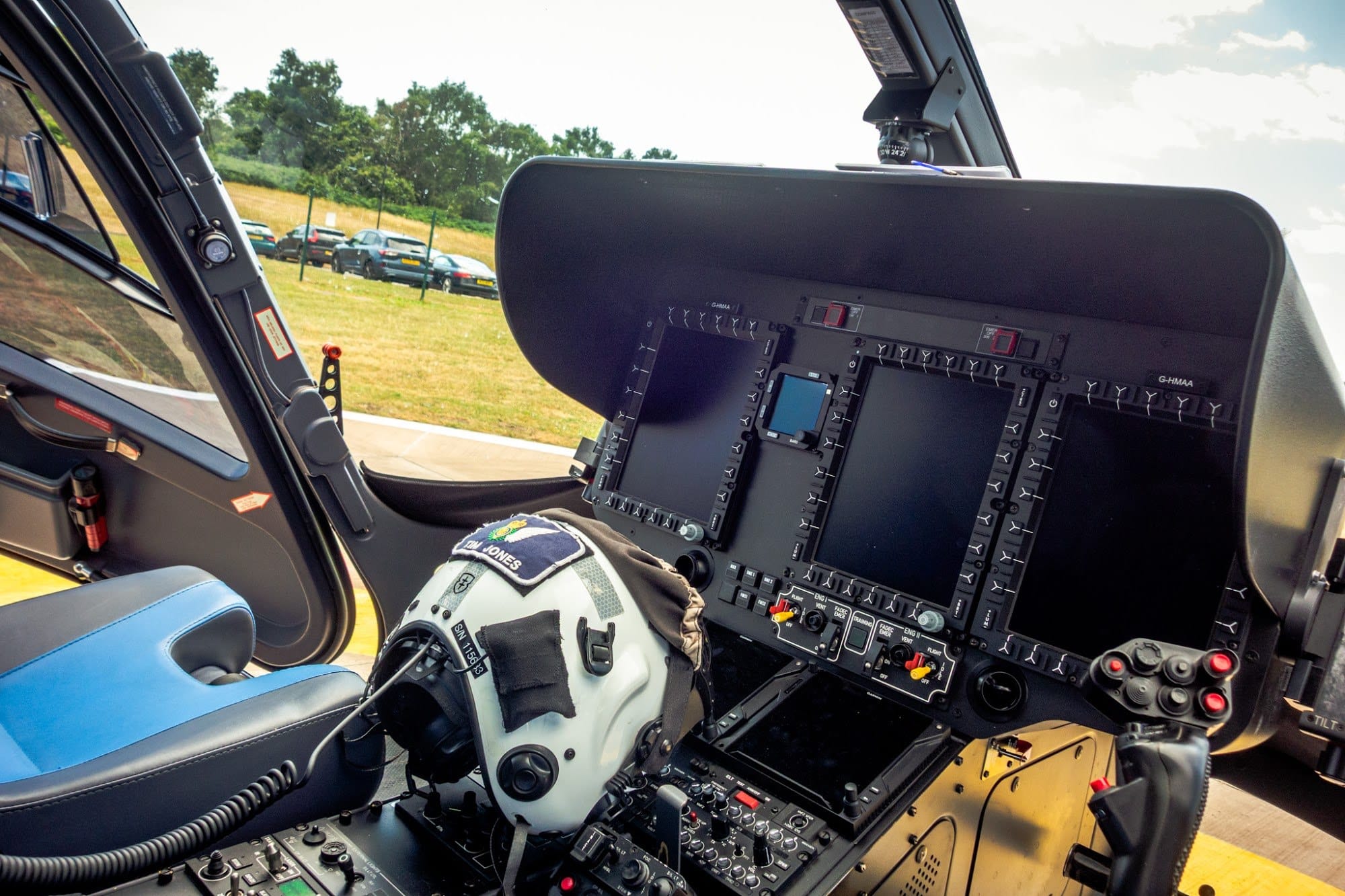
The pilots are a different story again. Most are ex-military, and becoming captain of an air ambulance requires thousands of hours of flying experience, considerably more than is needed for a standard licence, because landing in tight fields beside power lines is not for the faint-hearted. It is worth knowing that even Prince William, who flew with East Anglian Air Ambulance earlier in his career, never logged enough hours to captain a flight himself. The pilot on duty the day I visited had once been a paramedic on the crew, and it took him around ten years to earn his seat at the front. That is the level of experience sitting at the controls above Staffordshire.
What is actually in the helicopter
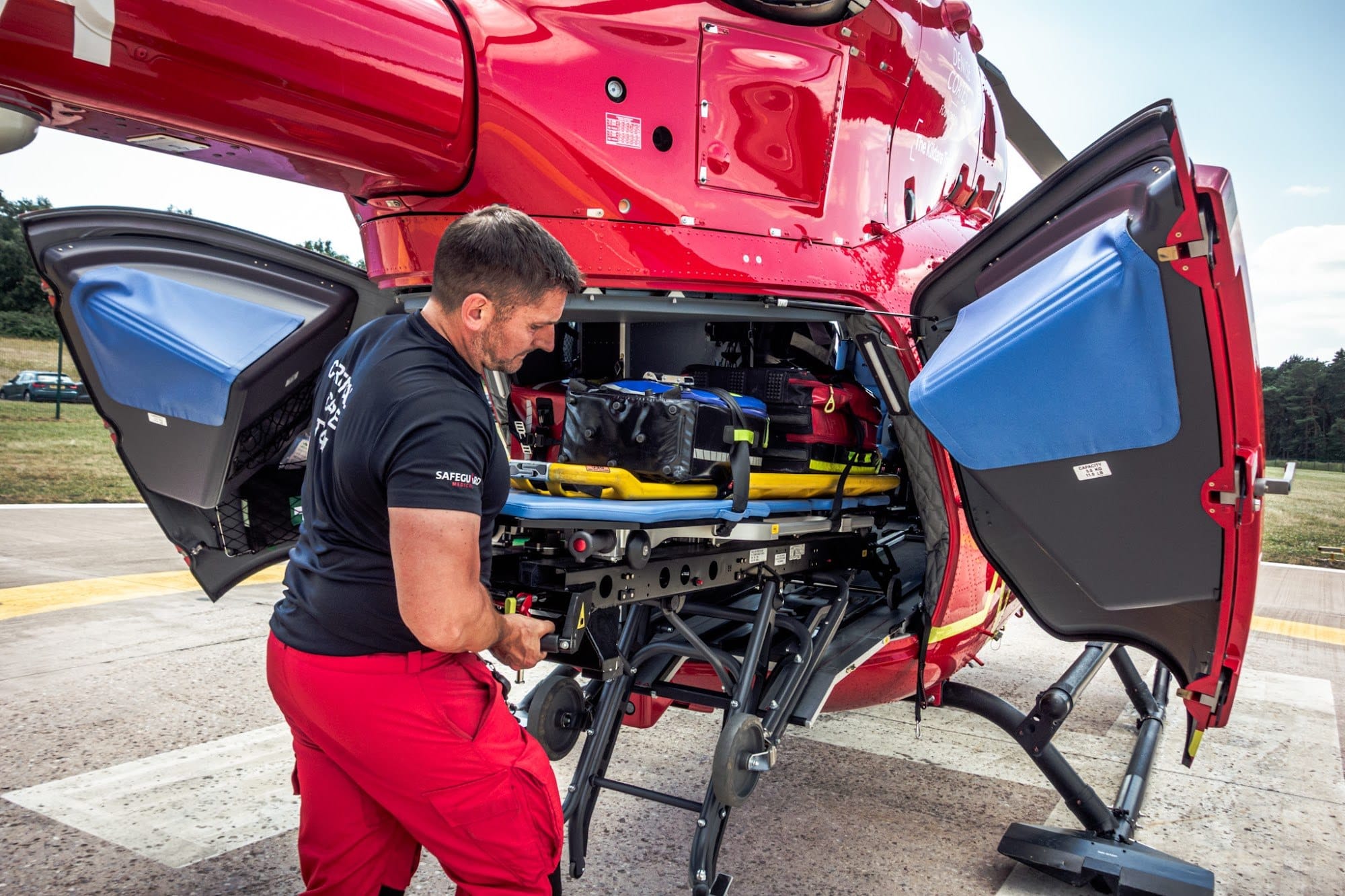
Every helicopter and every critical care car carries identical kit, in exactly the same place, so that every crew coming on duty knows precisely where everything is. Land ambulance paramedics carry a green bag of basic equipment. Midlands Air Ambulance Charity crews carry that too, in case they arrive first, plus a red bag of enhanced kit and medicines weighing around fifteen to twenty kilograms, which they may have to run across a field with. It is no surprise there is a gym on site.
Among the equipment is a LUCAS device, an automated mechanical chest compression machine. The charity carries one in every car and every helicopter. The NHS, by contrast, cannot afford one for every land ambulance. There is also a ZOLL monitor, which handles ECG readings and doubles as a defibrillator.
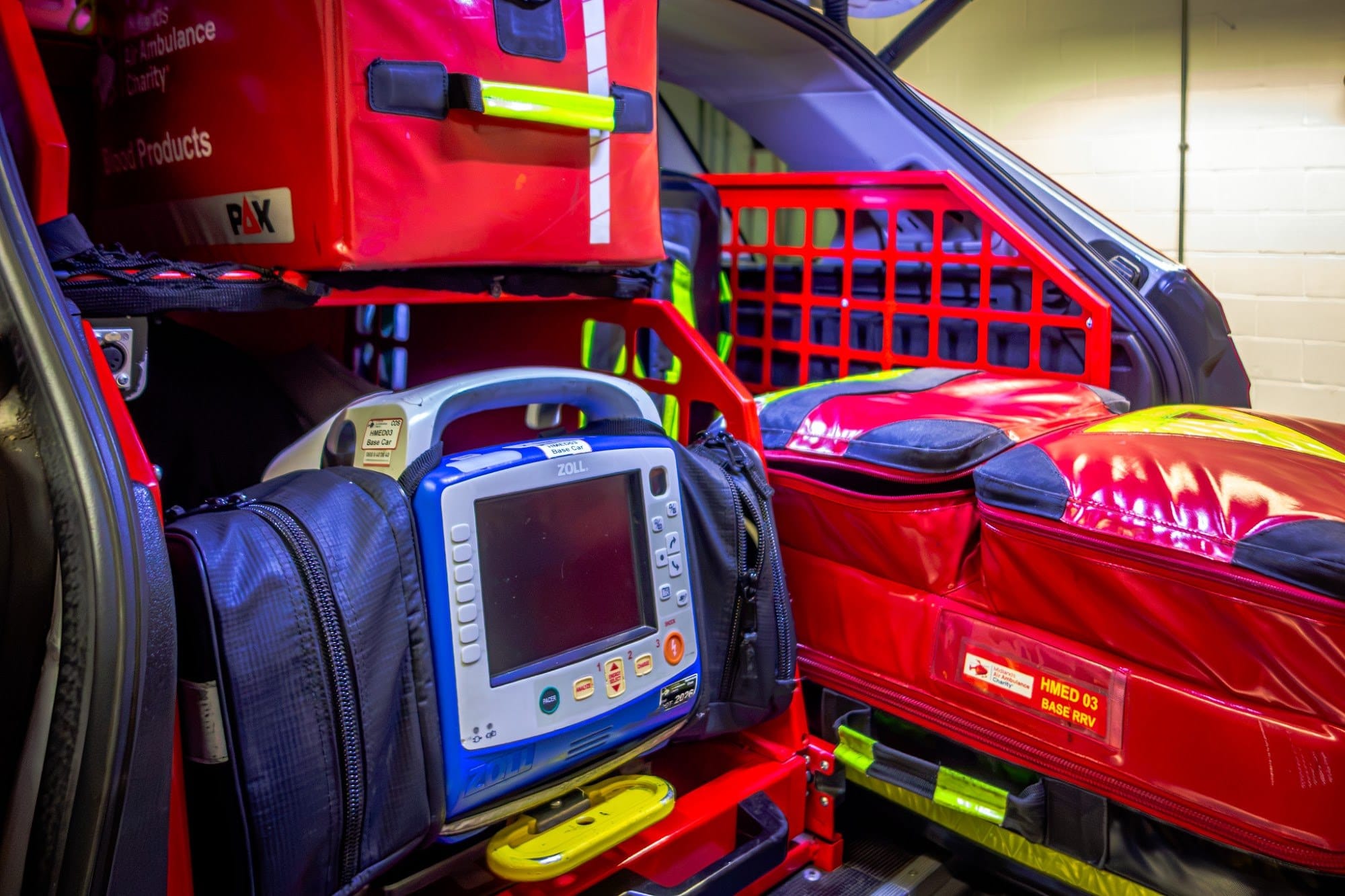
Perhaps most striking of all is the blood. Each vehicle carries eight units of donated blood or blood products, kept refrigerated, allowing the crew to carry out transfusions at the roadside for patients who are bleeding out. Every day, a volunteer or team member collects fresh supplies from the blood bank at Birmingham's Queen Elizabeth Hospital, returning the older stock, which goes straight back into the hospital system rather than being wasted. Blood loss, not the injury itself, is one of the biggest factors in whether a trauma patient survives, which makes this quiet detail one of the most important in the whole operation.
Inside, the helicopter is smaller than you would ever guess from the ground. The stretcher takes patients up to 150 kilos, about 23 stone, and the newest aircraft has five rotor blades rather than the usual four, which steadies the cabin and makes for a far less bumpy ride.
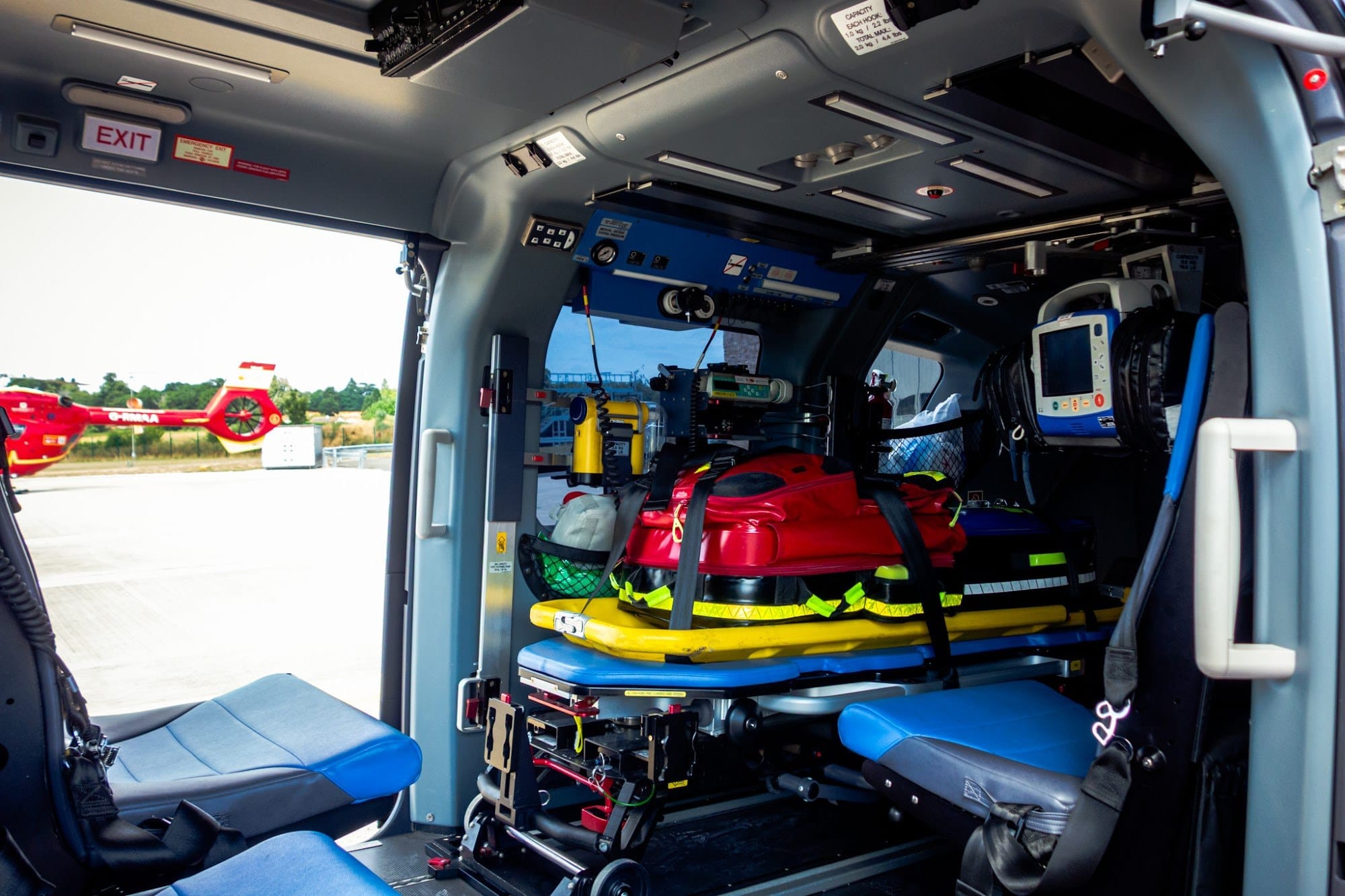
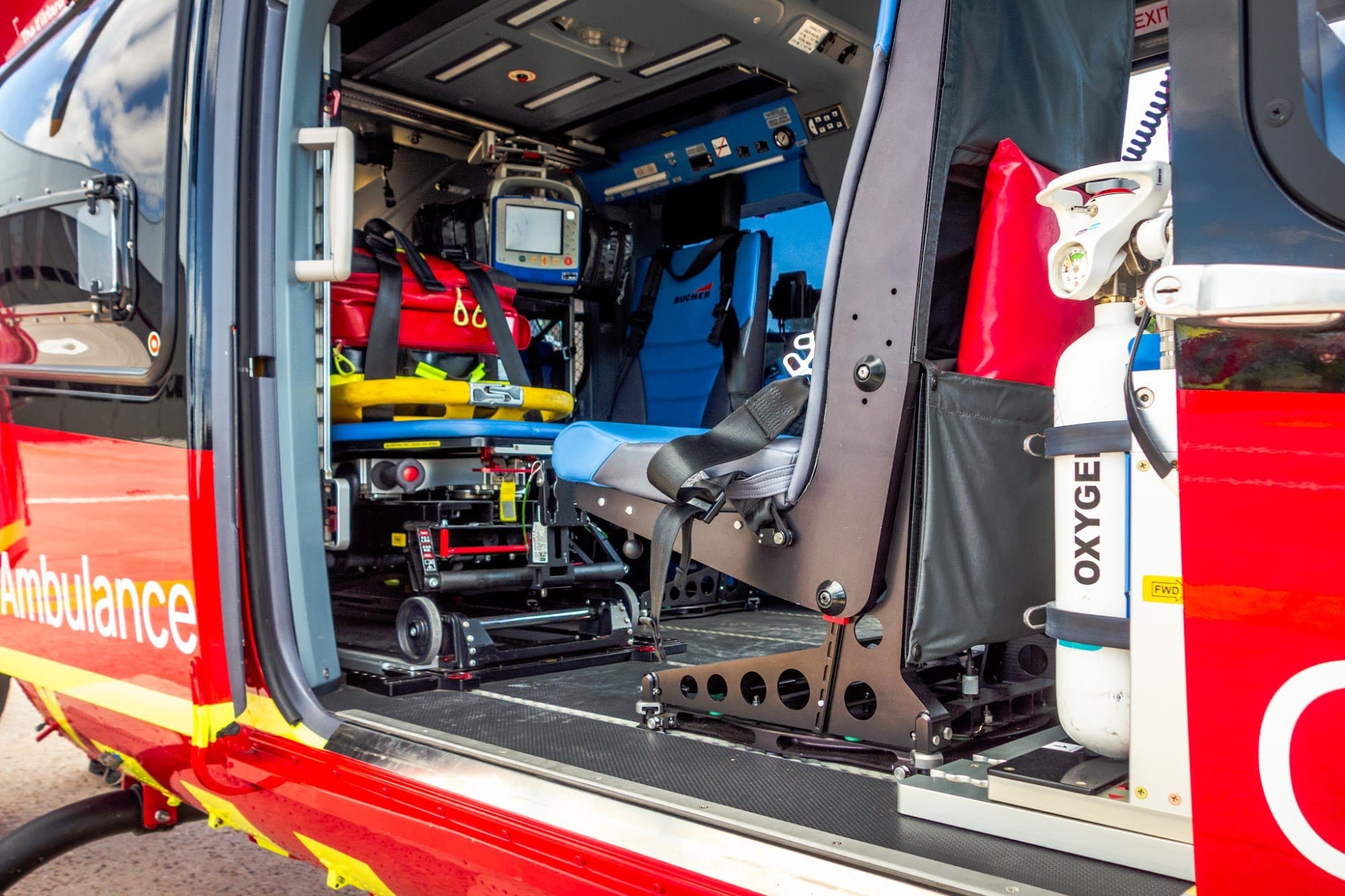
Inside the helicopter, where every piece of kit has its place. Photos: Natalee Trowbridge / The Staffordshire Signal.
What's on board
- Automated LUCAS chest compression device, one per vehicle
- ZOLL cardiac monitor and defibrillator, one per vehicle
- Units of donated blood carried per vehicle
A day in the life of a crew
Crews work twelve hour shifts, either 7am to 7pm or 10am to 10pm, and every shift begins with a briefing covering the weather, any air shows or other aircraft in the area, and a genuinely human check-in on how everyone is feeling. If the kids kept someone up all night, they say so. It is treated as a safety issue, not a weakness, because a tired crew member is far more likely to miss something wrong with the aircraft, or something wrong on the ground where they are about to land.
Once on shift, crews restock kit, wheel out and check the helicopters, check the cars, and wait for the next call. When they return from a mission, there is a mountain of paperwork covering every drug administered, every procedure performed and every handover made, before the kit is checked again, vehicles are refuelled from the base's own 20,000 litre fuel tank, and any spare time is spent on training. Even the kitchen is built for the job: one press of a button by the door switches off every oven, so a crew can drop their lunch and run.
Crucially, crews can also take themselves offline if they need to. After a particularly harrowing call, they are able to say they need a moment, need to restock, or have not eaten all day. As one team member explained, if the crew is tired, they are not flying safely, and nobody argues with that.
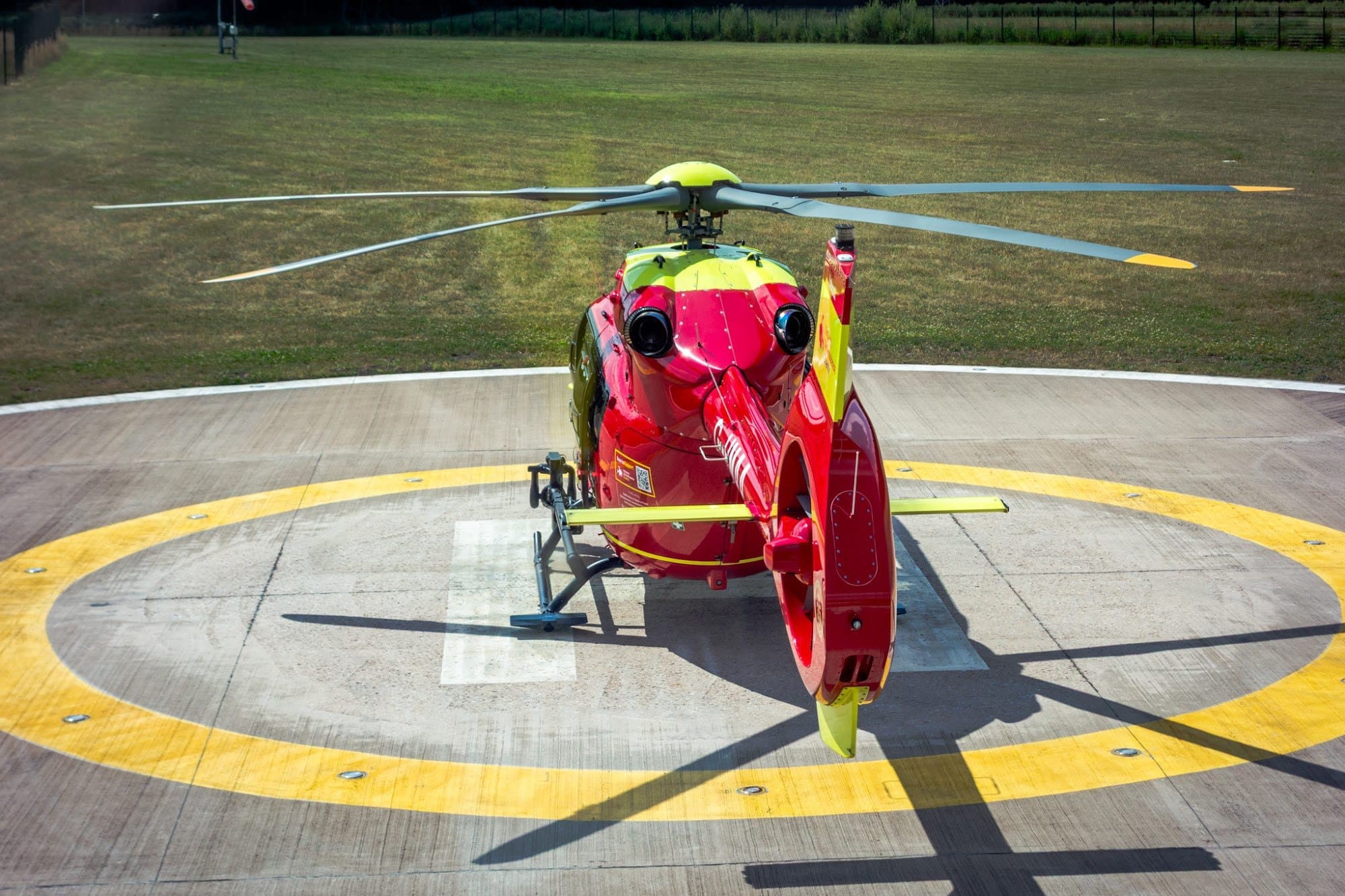
Patient care is borderless, and aircraft and critical care teams can be deployed across regional county boundaries to ensure people continue to receive urgent, lifesaving care. Crews may be tasked directly from one incident to the next without returning to base, maximising availability and ensuring that help reaches patients as quickly as possible, wherever it is needed most.
The real cost of saving a life
This is the figure that ought to stop people in their tracks. Midlands Air Ambulance Charity needs £20 million every single year simply to keep its three aircraft and critical care cars flying and driving. None of it comes from the Government or the NHS.
As one crew member pointed out to me, ten years ago the air ambulance was essentially a fast way of getting to hospital. Now the care delivered at the roadside is genuinely hospital-grade, and that comes at a genuinely hospital-grade cost.
The biggest single misconception, the team told me repeatedly, is that they are somehow funded by the NHS or the Government. They are not, and never have been. Every penny comes from individual and corporate donations, community fundraising, gifts in wills, and regular giving for its daily missions.
Why every little bit genuinely counts
It would be easy to assume that a charity needing £20 million a year has no use for a £5 raffle ticket or a school cake sale. The opposite is true. Regular giving, which includes the lottery, is the charity's single biggest income stream. As one crew member put it to me, people often worry their small donation or little village event will not make a dent against such a huge total, but if everyone in Staffordshire gave a little, it would add up easily.
“If everybody does a little tiny bit, we'll be fine. Whatever you can do to help us.”
The Lifesaving Lottery
If you already play the National Lottery or a raffle out of habit, this is worth a serious look. Midlands Air Ambulance Charity runs its own weekly Lifesaving Lottery. Each £1 entry gets you a unique number, with a weekly top prize of £1,000 and four further prizes of £25, and you can pay monthly, quarterly, half-yearly or annually. You must be 18 or over to play, and the lottery is licensed and regulated by the Gambling Commission.
Roughly thirty per cent of the charity's daily missions are funded directly by lottery players, highlighting just how important this regular support is to keeping the service running. It is, in the words of one crew member, a game, and you get something back, which for a lot of people makes it a far easier habit to switch to than an anonymous direct debit. Given how many of us already do the National Lottery or a syndicate at work, redirecting even part of that spend here could genuinely be the difference in someone's life.
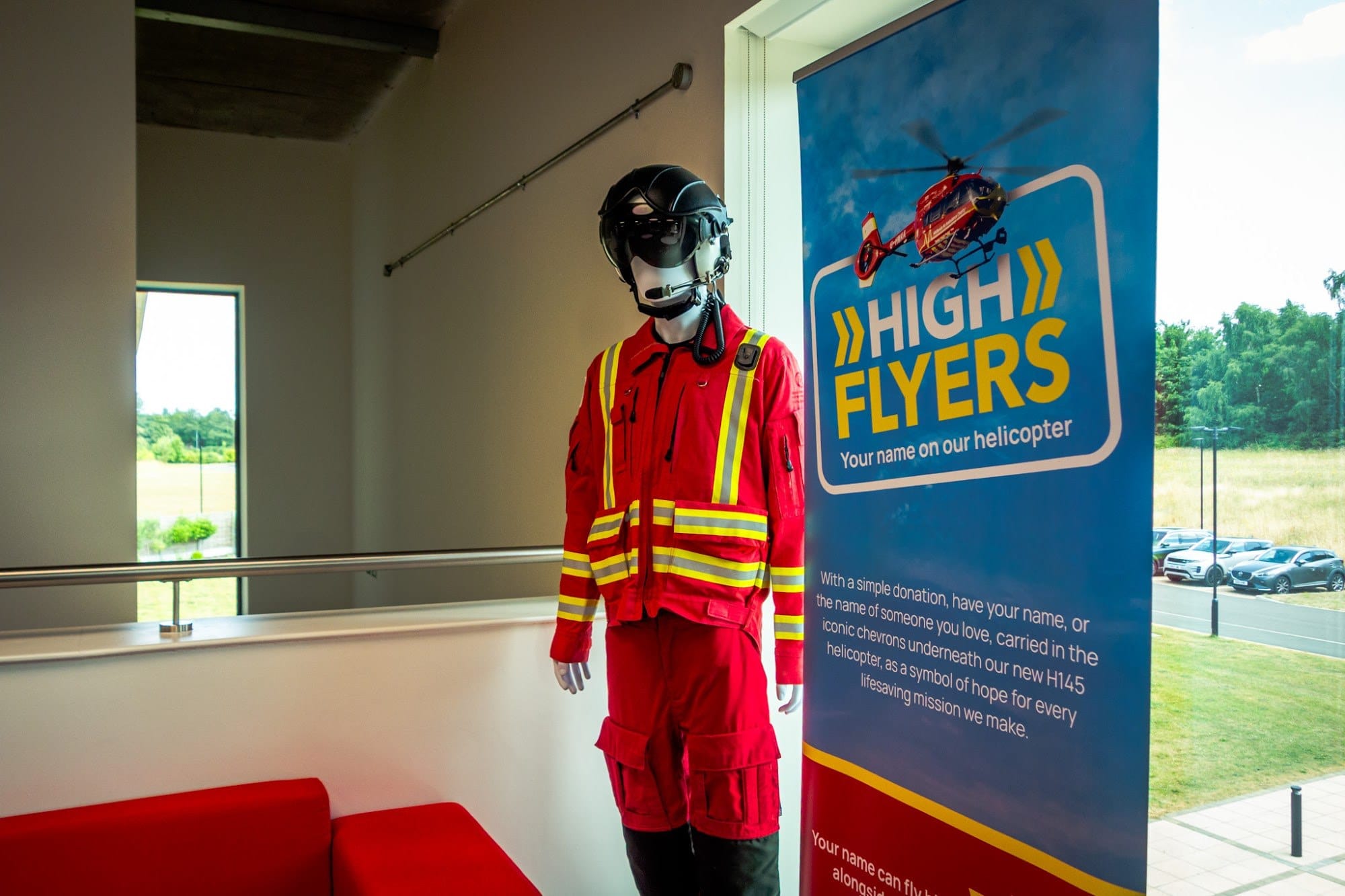
Looking for a Christmas present instead? The charity's High Flyers campaign puts a name of your choice on the underside of its newest helicopter for a minimum donation of £150, and only the last few hundred spaces remain. Details are at highflyers.midlandsairambulance.com.
Training the public, not just the crew
Here is the part I found most sobering. The crew were clear that everything they do depends entirely on what happens to a patient in the minutes before they arrive. If someone has not had chest compressions for ten minutes, or has lost too much blood, there is often little even a critical care team can do by the time they land.
They pointed to a genuinely startling statistic: in the UK, roughly ten per cent of people survive an out of hospital cardiac arrest, compared with thirty to forty per cent in some of our European neighbours, despite broadly similar levels of medical care once help arrives. The crew put this down largely to public awareness. In several European countries, first aid training is built into things like the driving test and the school curriculum. Here, it simply is not.
Their message to readers was simple. Learn how to open someone's airway. Learn how to do chest compressions. Learn how to stop a major bleed. It takes very little time, and it genuinely saves lives before a crew ever gets there.
Inside the training centre
Upstairs at headquarters is a full clinical training suite, complete with anatomically correct training mannequins used for CPR, intubation and fracture management. Some are deliberately broken for fracture courses and then quite literally sewn back together on another course, to save replacing very expensive kit. There is also a simulation suite, where crews can project different scenes onto the walls and adjust the room temperature to recreate a scorching hot M6 hard shoulder at 35 degrees, or a freezing train platform at 2am, right down to working by head torch with numb fingers.
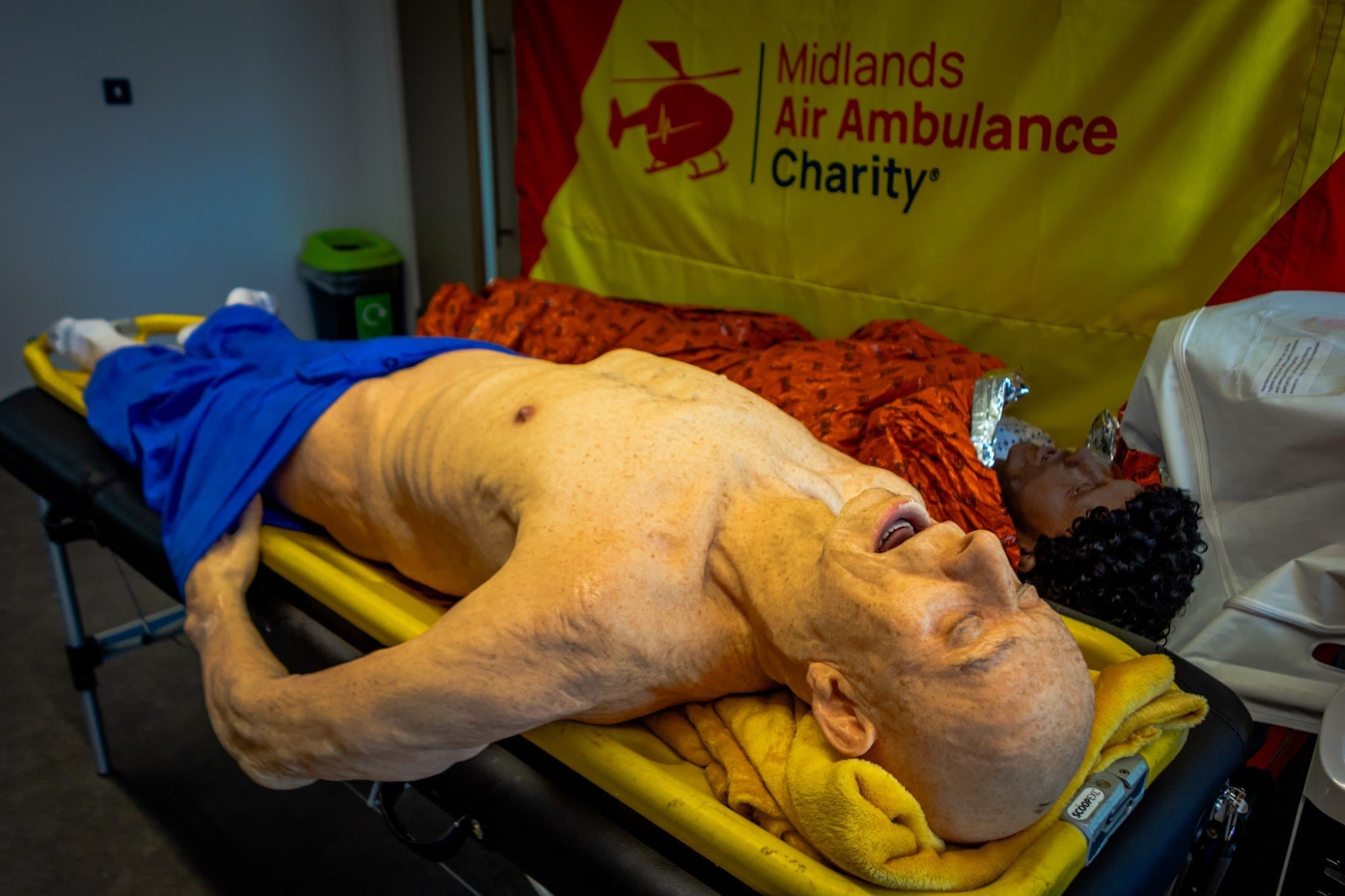
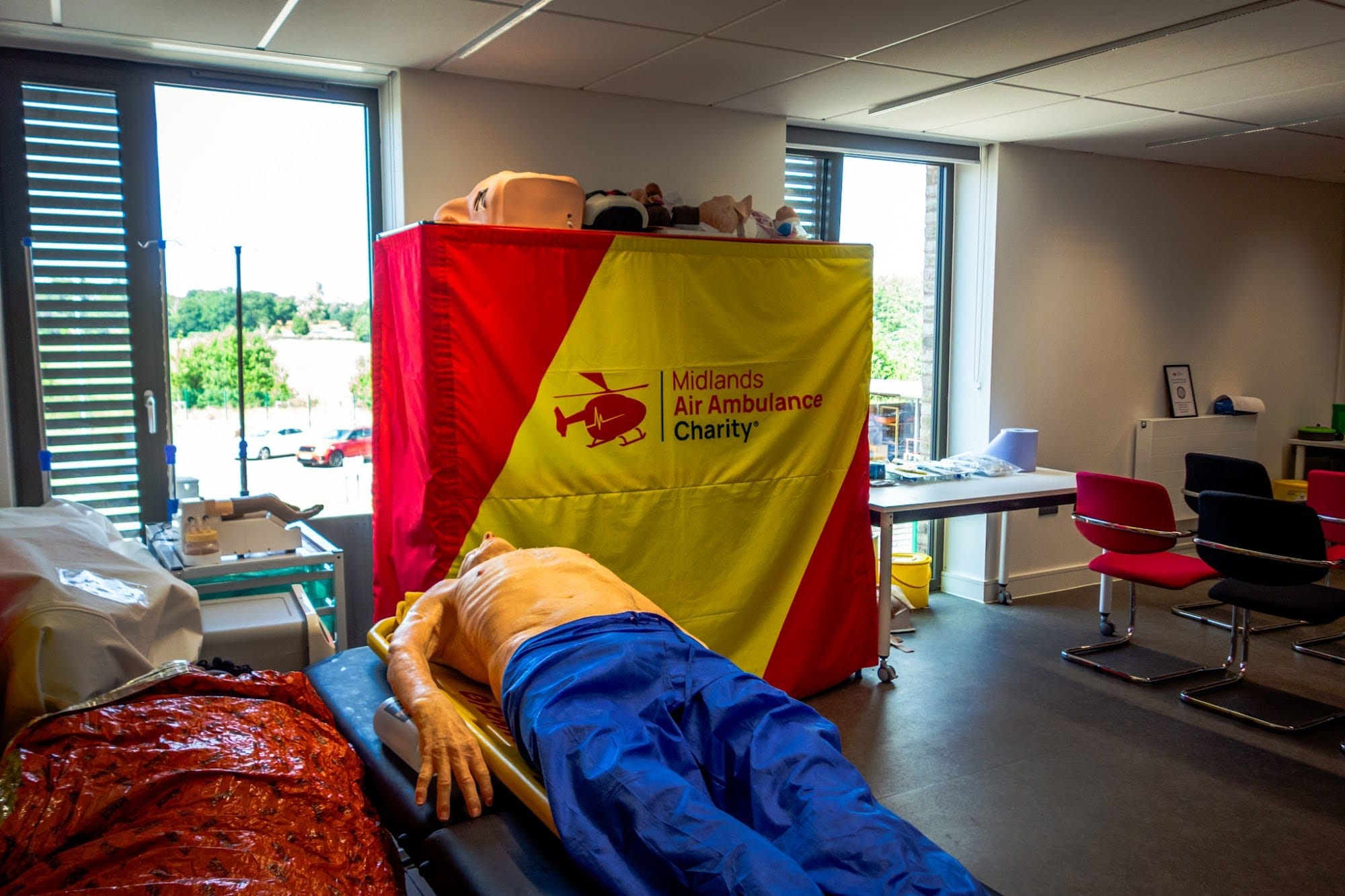
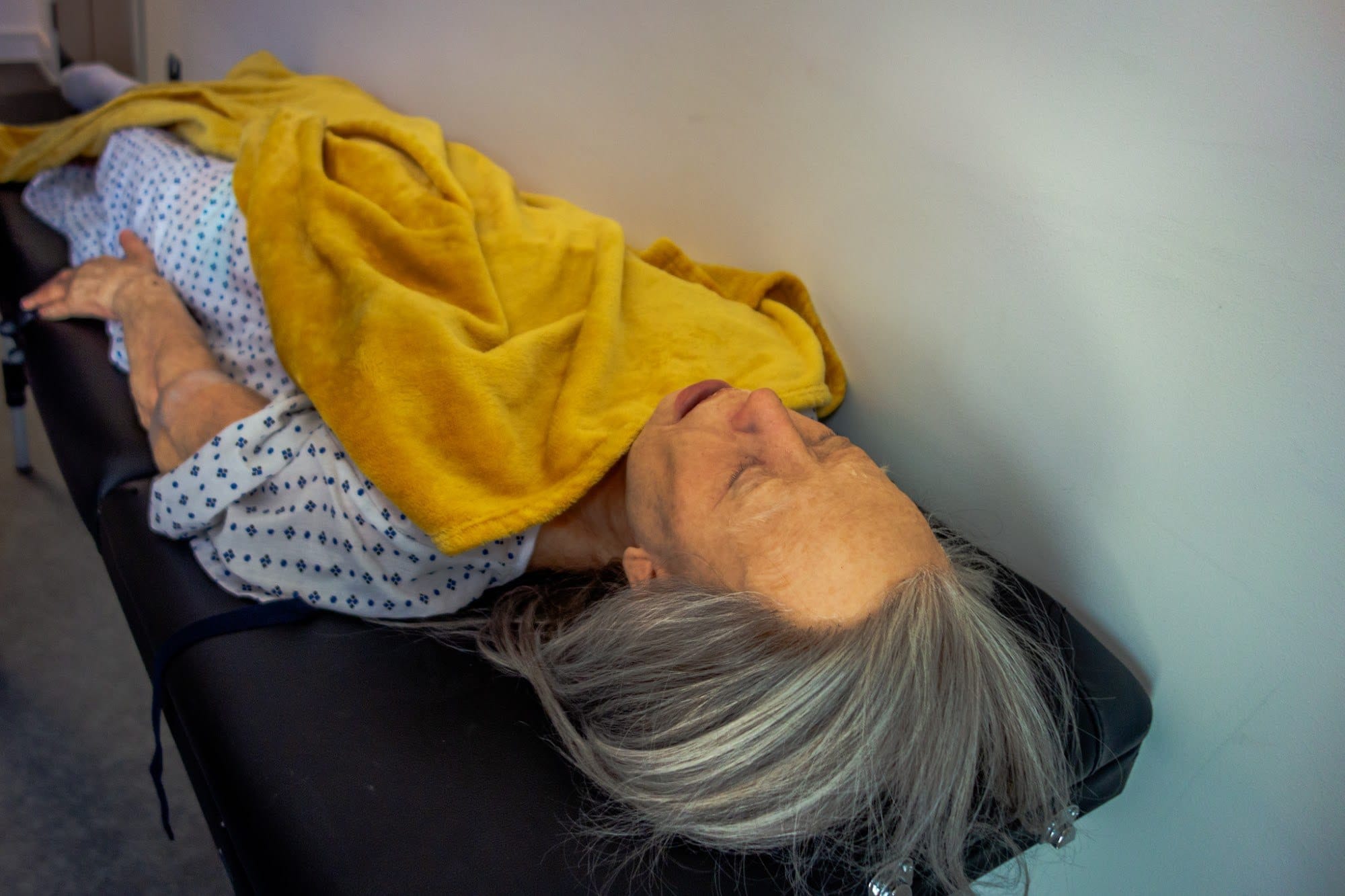
The clinical training suite at headquarters, where lifelike manikins help crews and members of the public practise. Photos: Natalee Trowbridge / The Staffordshire Signal.
Midlands Air Ambulance Charity's critical care paramedics complete around 80 hours of training, paid for by the charity, on top of their existing NHS paramedic qualifications. The same facility has become a national centre for education and is increasingly used to deliver first aid and clinical training courses to local businesses and organisations, from half day courses through to three day advanced workshops, depending on how high risk a workplace is, available at its Cosford or Strensham airbases or on site. The MAAC Academy has quietly become an important income stream for the charity in its own right, and it means that when you book a first aid course through Midlands Air Ambulance Charity, your trainer may well be a working critical care paramedic who has applied every single skill they are teaching you, for real, at the roadside.
That work is being noticed. In October, the charity's First Farmer on Scene course, a three hour practical session for farmers, agricultural workers and anyone living or working in the countryside, was named Educational Initiative of the Year at the Farmer Rural Awards 2026. For a county with as much farmland as ours, it is well worth a look at themaacacademy.com.
The building earns its keep in other ways too. The rooms are available to hire for meetings and events, with catering and even bedrooms on site, and the simulation suite is transformed for family days at Easter, Halloween and Christmas. At Christmas, Santa arrives by helicopter, supported by Stafford DJ and long-standing supporter Tim Rowlands. It is not every grotto that has its own landing pad.
A quiet local partnership
One detail that will resonate with readers in Stoke-on-Trent is the charity's long standing partnership with North Staffordshire BASICS, a separate charity whose volunteer doctors, several of them also Midlands Air Ambulance Charity doctors living in and around Stoke, respond to emergencies in their own vehicles, carrying their own kit, in their own time. The two have worked hand in hand for more than twenty years, backing each other up on jobs across the city and surrounding area, a genuinely local example of charities pulling in the same direction rather than competing for the same donations.
After the call: patient liaison
It does not end when the helicopter lifts off from the scene. Midlands Air Ambulance Charity runs a dedicated patient liaison service, getting back in touch with patients and their families afterwards, and inviting them to meet the crew who helped them if they would like to. Some of the drugs used at the roadside cause memory loss around the trauma itself, so talking through what happened and why certain treatments were given often brings a sense of closure, filling in the gaps of a day patients cannot fully remember.
How you can support Midlands Air Ambulance Charity
None of what you have just read happens without ordinary people like you deciding to help. Here is how.
- Join the Lifesaving Lottery: £1 per weekly entry, with a £1,000 weekly top prize. Search Midlands Air Ambulance Lottery online, or call 0844 567 0844.
- Make a one-off or regular donation via midlandsairambulance.com, or call the supporter care team on 0800 840 20 40.
- Put a name on the helicopter through the High Flyers campaign, from £150. For more information head to highflyers.midlandsairambulance.com.
- Book a first aid or workplace training course delivered by working critical care paramedics, for individuals or businesses, through The MAAC Academy.
- Leave a gift in your will, one of the most significant ways supporters fund the charity's future.
- Fundraise, however small. A coffee morning, a school non-uniform day, a sponsored walk, or registering for the charity's Wear It Red campaign, it all genuinely counts towards that £20 million annual target.
- Donate and recycle through one of the charity's shops across the region, including their branch in Hanley, Stoke-on-Trent.
- Volunteer your time, from collection tin requests to event support.
- Learn CPR and basic first aid. It may be the single most useful thing you ever do for a stranger.
- If you see the helicopter landing in a park, head to the edge, keep dogs on leads, and let the crew work. They would much rather you watched from behind a fence than from underneath the rotor blades.
The bit nobody tells you
What stayed with me longest after leaving the Cosford airbase was not the size of the helicopter, which, in fairness, is smaller in real life than it looks on television. It was the sheer scale of what is quietly funded by raffle tickets, church collections, sponsored walks and cake sales. Every time that helicopter goes over Staffordshire, someone, somewhere, chose to give a little of what they had so that a complete stranger might get to keep the rest of their life.
That is worth a moment's thought next time you hear the rotors overhead. It might just be worth a pound a week too.
With thanks
Huge thanks to Eleanor Cook and everyone at Midlands Air Ambulance Charity for arranging our visit and for being so generous with their time, and to the on-duty critical care team, Tom, Colin and Sarah, for letting us look round the helicopter and cars, patiently answering every question, and letting us share the incredible work they do with our readers. It genuinely was an eye-opening afternoon, and we are hugely grateful to them all.
Photos: Natalee Trowbridge / The Staffordshire Signal. Archive images and lottery graphic courtesy of Midlands Air Ambulance Charity.
 Why the Signal exists
Real news takes time. Thanks for taking yours.
You've just read a story that took time to get right. No clickbait, no racing to be first, no ads chasing you down the page.
I started The Staffordshire Signal because I got fed up of local news that chased clicks instead of stories. We're independent, not-for-profit, IMPRESS-regulated and owned right here, so we answer to nobody but you.
The honest bit: local news only survives if local people choose it. If we don't, it goes.
Jenna GoodwinFounder and Editor, The Staffordshire Signal
Love what we do?
Buy us an oatcake! Cheese and bacon, if you're feeling generous. Every tip goes straight into local reporting.
Buy us an oatcakeMiss a proper paper?
Staffordshire's only regional printed magazine, full of stories worth sitting down with, delivered to your door.
Get it deliveredFollow on WhatsApp
Our stories, dropped straight into your phone. No group chat chaos, we promise.
Join the channelFind something good to do this week
Markets, gigs, history talks and family days out across Staffordshire. Running an event? Add it to our guide and let the county know.
Run a Staffordshire business?
Our readers keep the Signal going, and the businesses who advertise with us help keep it free for everyone. Reach people who read to the end, across our magazine, Signal Weekly, Signal TV and website.
Explore the heart of our county Use the interactive map above to discover local landmarks, heritage sites, and community-vetted spots. Every interaction helps support The Staffordshire Signal’s mission to keep local news free and independent.

 The Last Cheesemakers in Staffordshire
 New Funding Boost for Young People in Stoke-on-Trent
 Free Arthur Berry Outdoor Art Exhibition Opens in Burslem Town Centre
 Trentham Shopping Village Celebrates Christmas with Festive Street Party
 Dougie Mac Invites Staffordshire Residents to Remember Loved Ones This Christmas