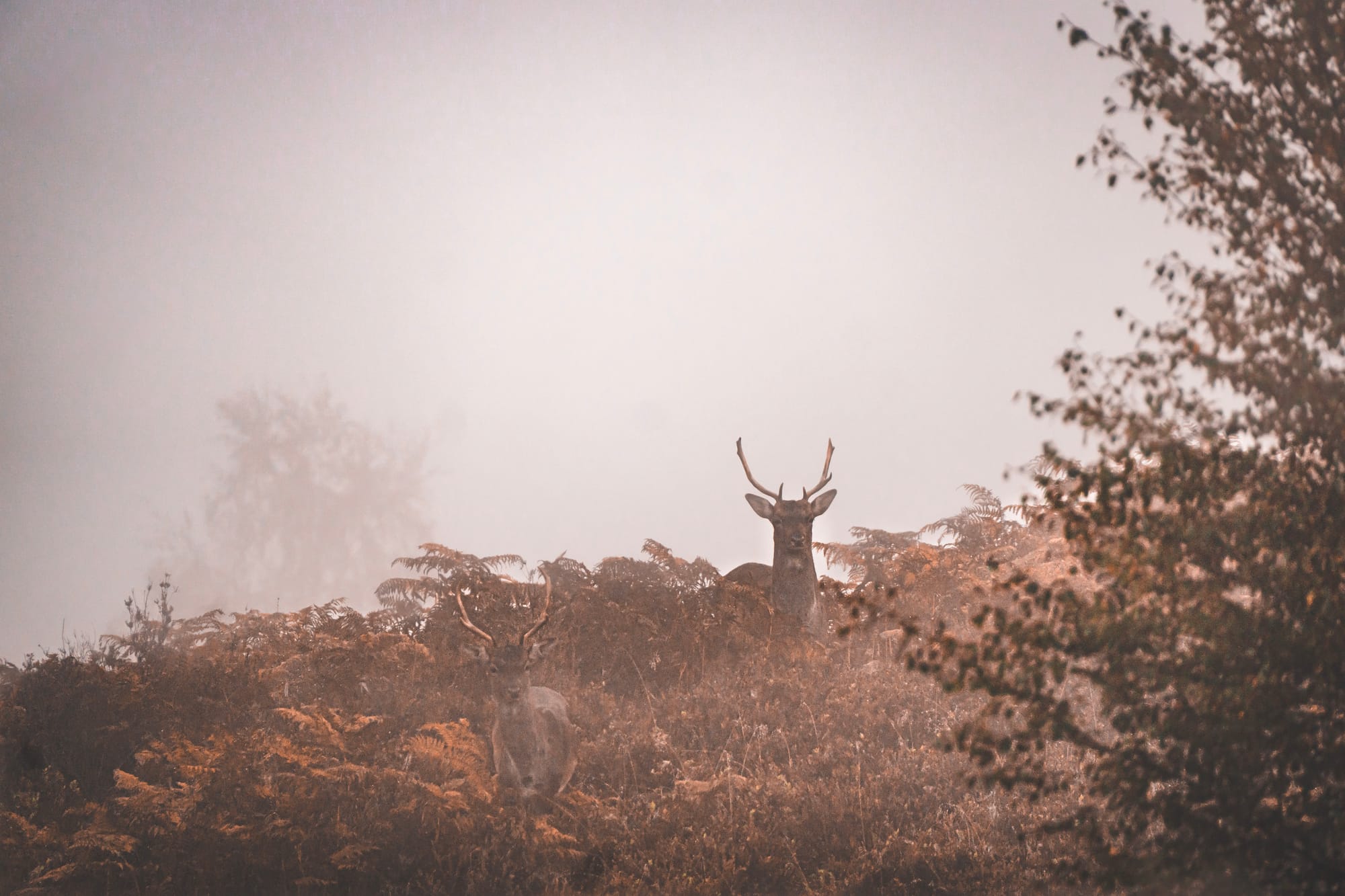
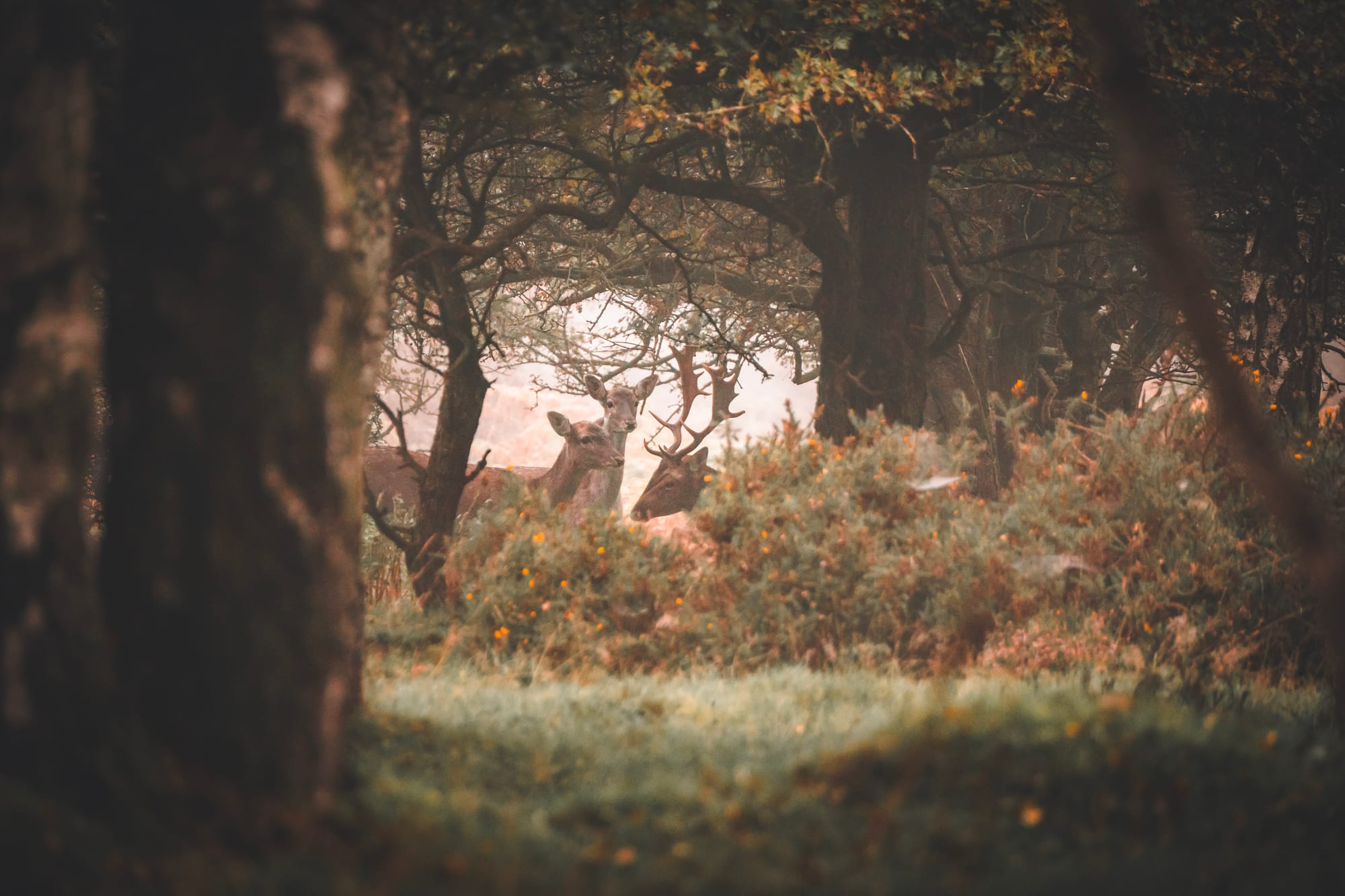
Every October, fallow deer gather on Cannock Chase for the rut, bringing weeks of bellowing and clashing antlers. Jenna Goodwin and Natalee Trowbridge head out with their cameras to capture one of Staffordshire’s great autumn wildlife spectacles.
What’s happening: October brings the annual fallow deer rut to Cannock Chase, when male deer compete for the attention of females.
When to see it: Activity usually reaches its height during the second half of October, with dawn and dusk among the best times to experience it.
Worth knowing: Visitors should remain on paths, keep dogs on leads and watch from a distance using binoculars or a long lens.
In the heart of Cannock Chase, among the birch woods and open heath between Rugeley and Cannock, something unusual happens at first light every October. A deep, rasping groan carries across the valley. Then another answers it from somewhere further off. To anyone who has never heard it before, it sounds less like wildlife and more like a tractor that will not start.
It is the sound of the rut, the annual mating season of the Chase's fallow deer, and for a few short weeks each autumn it makes this corner of Staffordshire one of the best places in the Midlands to watch one of Britain's great wildlife spectacles. It costs nothing, it is half an hour from most of the county, and most people who live nearby have never seen it.
A royal forest and an ancient herd
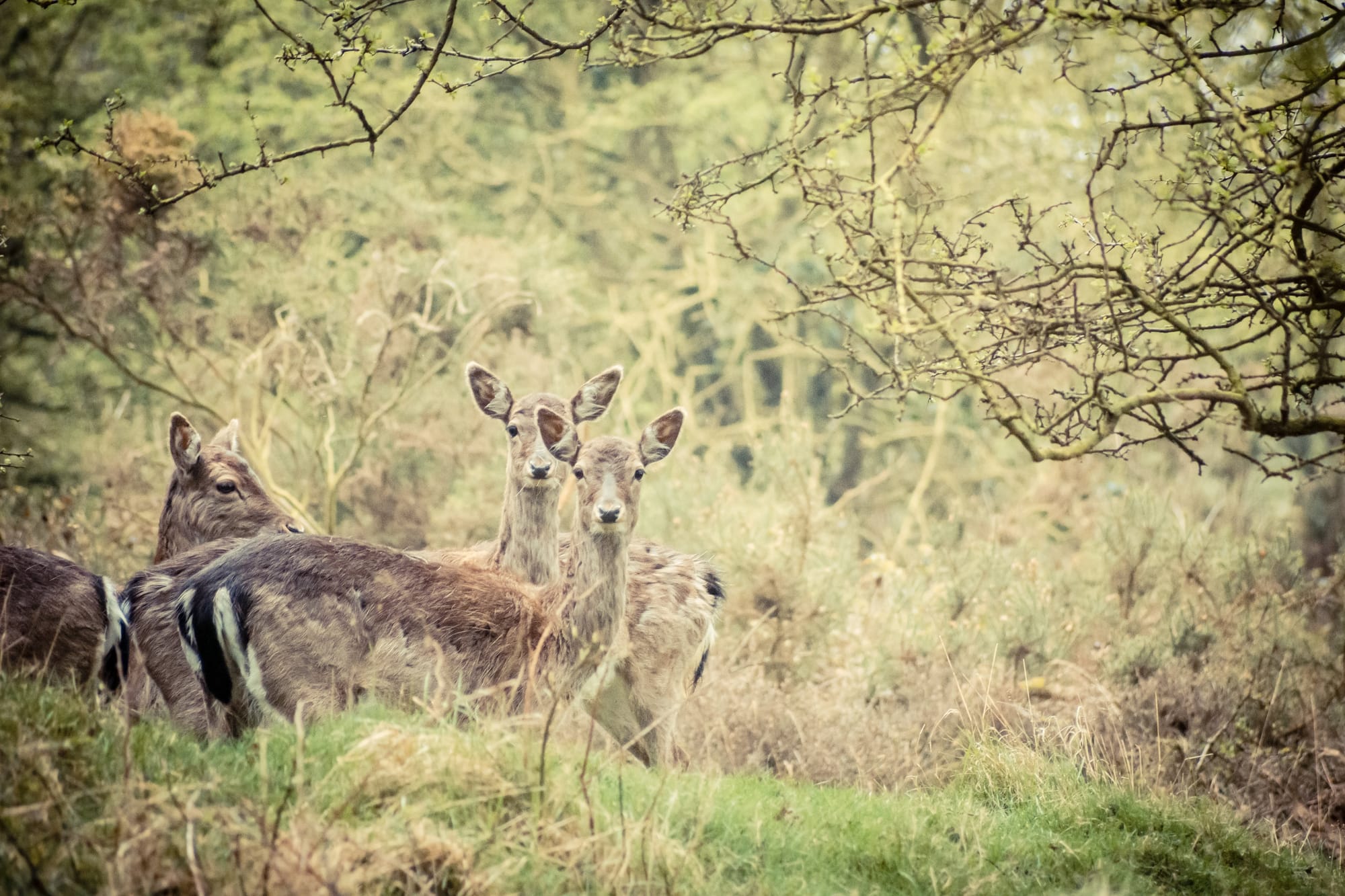
Cannock Chase was once a medieval royal hunting forest, its woods and heathland set aside for the hunt. The royal hunts are long gone, but the deer are not. The wild fallow deer which roam the Chase today are thought to be descended from the original herd introduced in Norman times for hunting purposes, and are described by Cannock Chase District Council as one of its major attractions, and the landscape they roam, a mix of ancient woodland, conifer plantation and open heath, has been protected as an Area of Outstanding Natural Beauty since 1958.
The modern Country Park owes a great deal to the Anson family of Shugborough. In 1957 the 3rd Earl of Lichfield gave over 2,000 acres of the north-west of the Chase to Staffordshire County Council, and that land forms the core of the Country Park we know today. Large parts of it are also designated as a Site of Special Scientific Interest.
For most of the year the deer keep to themselves. You might catch a pale rump disappearing between the trees, but little more. In October that changes. The main herd tends to stay in the centre of the Chase throughout the rut, and the activity usually reaches its height in the second half of the month, once the nights turn cold.
What actually happens during the rut
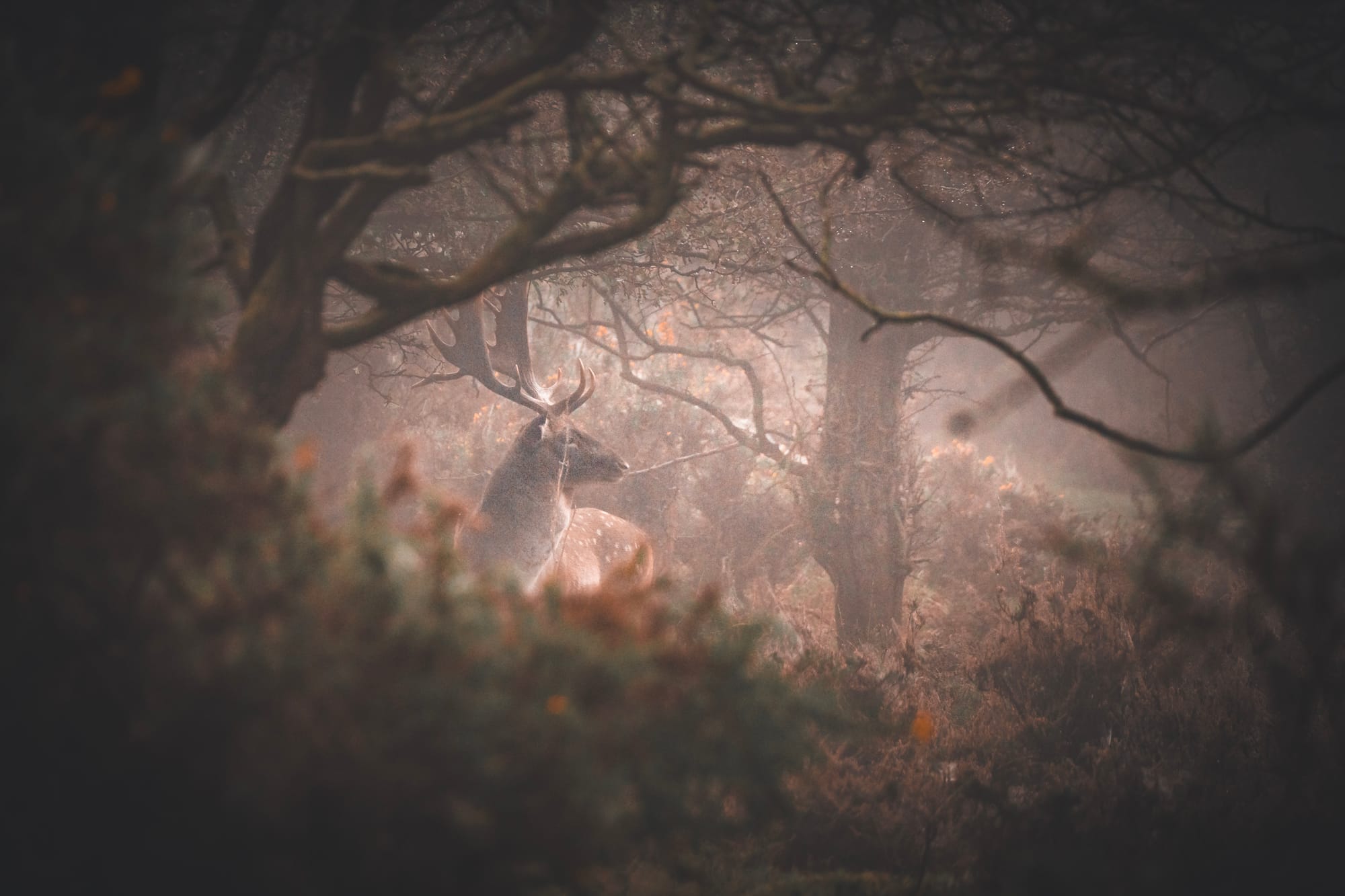
The rut is a competition between the males, or bucks, for the attention of the females, known as does. A mature buck takes up a patch of ground, called a rutting stand, and spends the season trying to attract does to it and hold on to them, while seeing off any rival who challenges him.
His main tool is his voice. Fallow bucks make loud, deep groaning calls to attract a doe, and the pitch of the groan is linked to the size of the male. Humans cannot hear the difference, but the does can. In effect, the deepest voice wins.
When calling is not enough, rivals size each other up, and on occasion they lock antlers. Younger bucks tend to hang around the edges of the stands, waiting for an opportunity while the older males are occupied.
The effort takes its toll. Bucks put on weight from August into September to build up reserves, then barely eat during the rut itself, putting all their energy into the contest. By November, the winners are exhausted, and the Chase falls quiet again.
Watching without disturbing
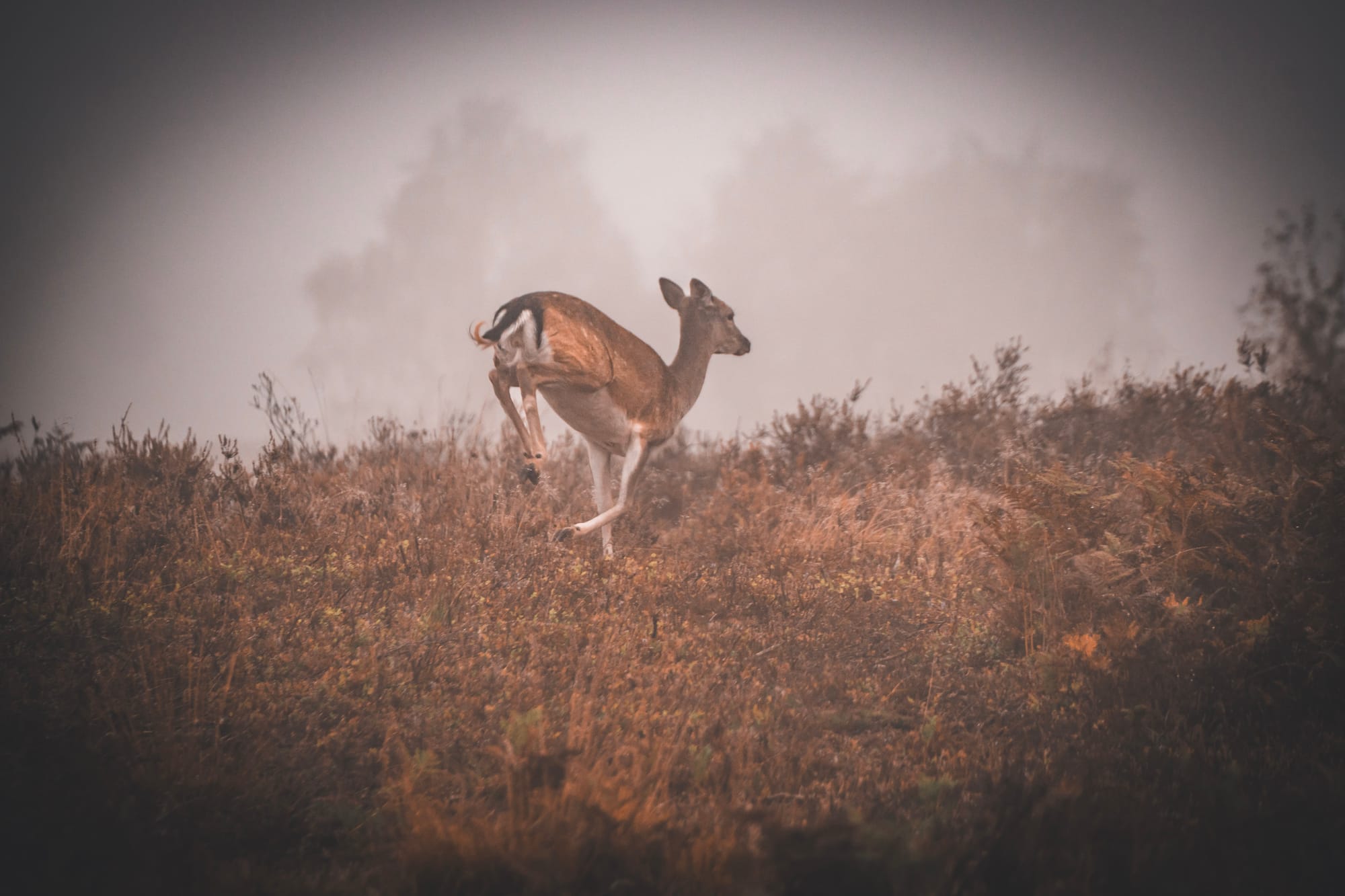
The rut is easy to spoil. One wildlife photographer filming the rut on the Chase in 2012 noted groups of people trying to approach the deer inside the conservation area and disrupting their mating. It happens most years, usually in pursuit of a better phone picture.
The rules are simple. Go at dawn or dusk, when the deer are most active. Stay on the paths, keep dogs on leads and use binoculars or a long lens rather than getting closer. If a deer stops what it is doing to watch you, you are too close. And give the bucks plenty of room. At this time of year, they are full of hormones and running on very little food, which is not a combination that encourages good decisions.
A warning for drivers
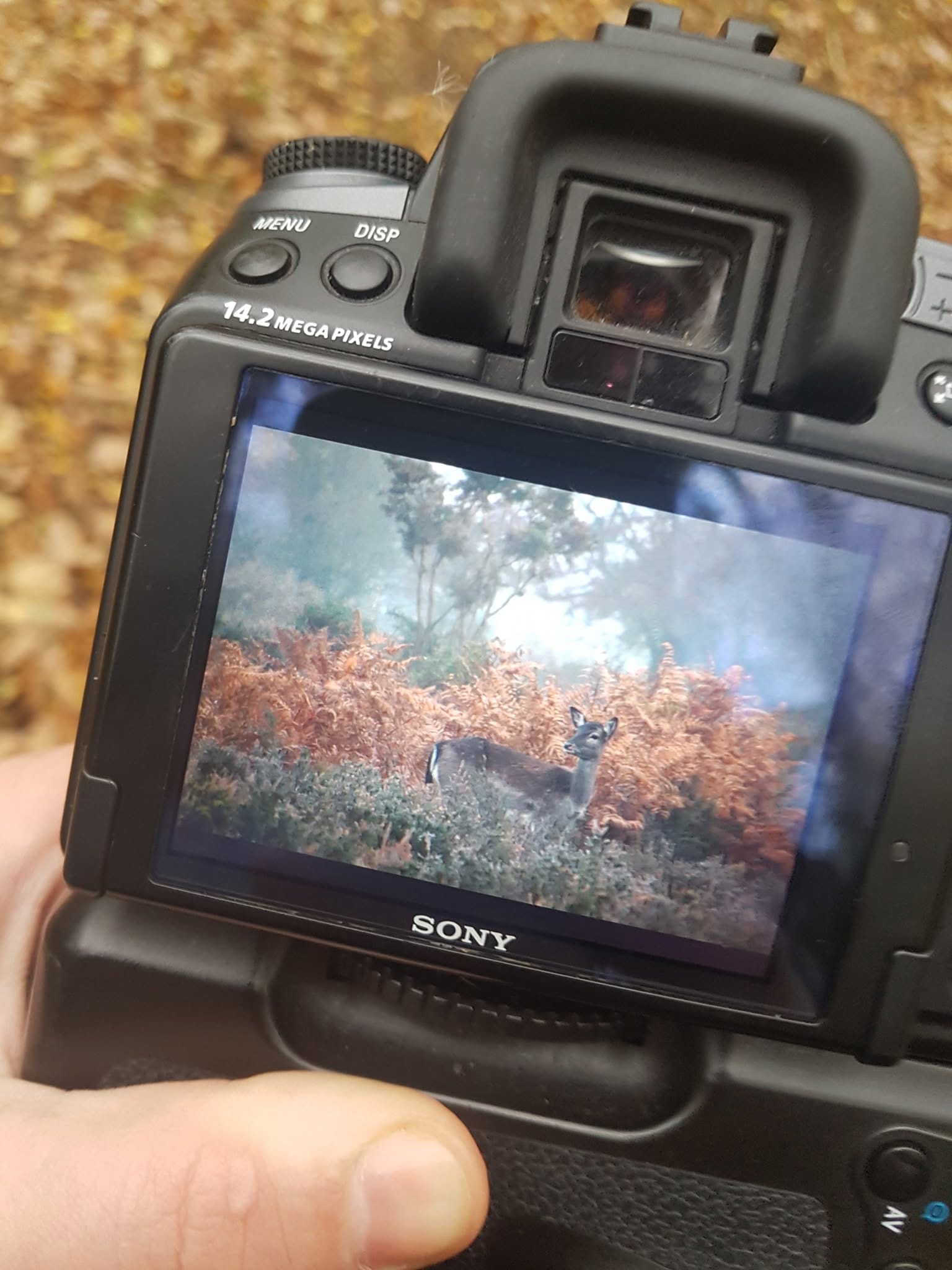
The rut also brings the deer onto the roads. Staffordshire County Council has previously warned that late September marks the start of the season, when deer are more active, particularly around the morning and evening rush hours, and the risk of collisions rises. Its countryside rangers have put up signs asking drivers on the Chase to keep to an advisory 40mph, alongside light and sound deterrents installed to discourage deer from crossing when cars approach. The council's own verdict is that collisions are still too high, so if you commute across the Chase this autumn, slow down and keep an eye on the verges.
Signs of the rut
- The groan. Deep and rhythmic, carrying furthest at first light.
- Fallow rings. Circles of hoof prints made by the bucks during the rut, always found around tree stumps.
- Other wildlife. Muntjac and red deer also live on the Chase, alongside the rare Chase berry, a cross between blueberry and cowberry. In autumn, look out for migrating redwings overhead and crossbills in the Scots pines.
Worth the early start?
Yes. There are not many places left where you can stand in the half-light, a short drive from home, and listen to something that has been happening in the same woods since they belonged to the Crown. The rut lasts only a few weeks, and then the Chase goes quiet until next October. Set the alarm, take a flask, and leave the deer to it.
Visiting
Cannock Chase Country Park is managed by Staffordshire County Council, with the main visitor centre at Marquis Drive, near Rugeley. The rut runs through October, with the best activity usually in the second half of the month, around dawn and dusk. Parking charges apply at some car parks.
Support local journalism
Help us grow the Signal
Every tip goes towards expanding what we cover, more reporters, more events, more of Staffordshire's stories told properly. If this was worth reading, help us do more of it.
Every contribution supports reporting, photography, and storytelling across the county.
Join The Staffordshire Signal on WhatsApp
Never miss a single breaking update, local news story, community event, or deep dive. See everything happening in Staffordshire first, straight to your phone!
Get Instant Updates
 Staffordshire Owl Experience and Birds of Prey Rescue Sanctuary
 Stay Tidy vintage clothing shop opens in Tamworth tomorrow
 Owners of eye-sore building in Stafford ordered to pay £56k by court
 Staffordshire’s First Choice Foodservice acquired by Kitwave
 Gift in will doubles Jackson’s Coppice and Marsh Nature Reserve near Eccleshall