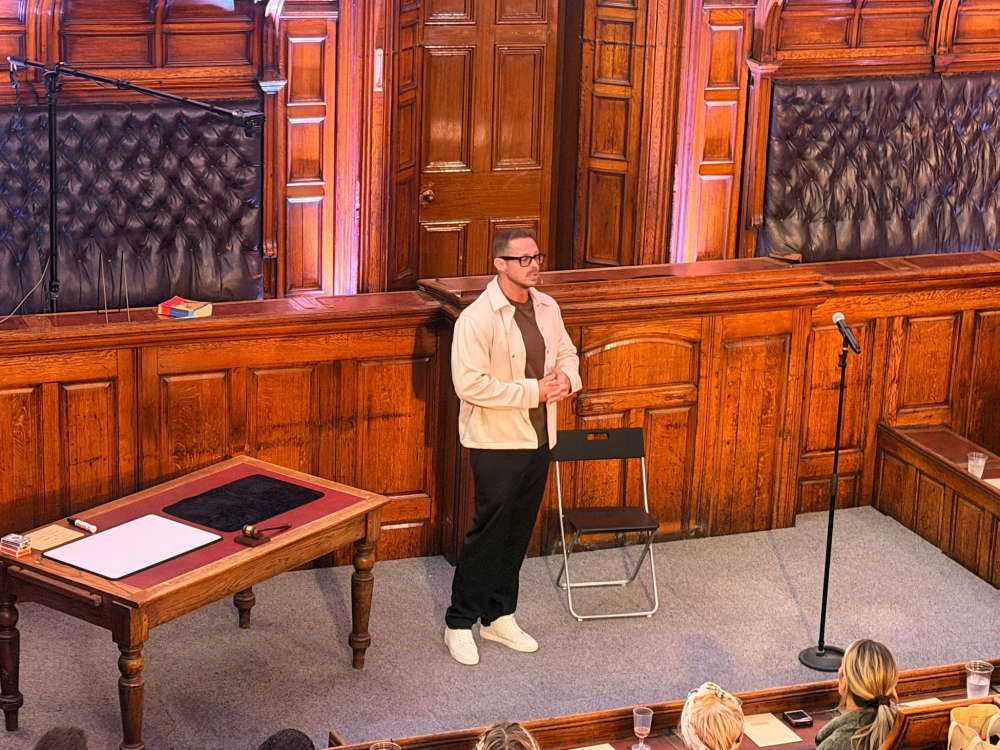
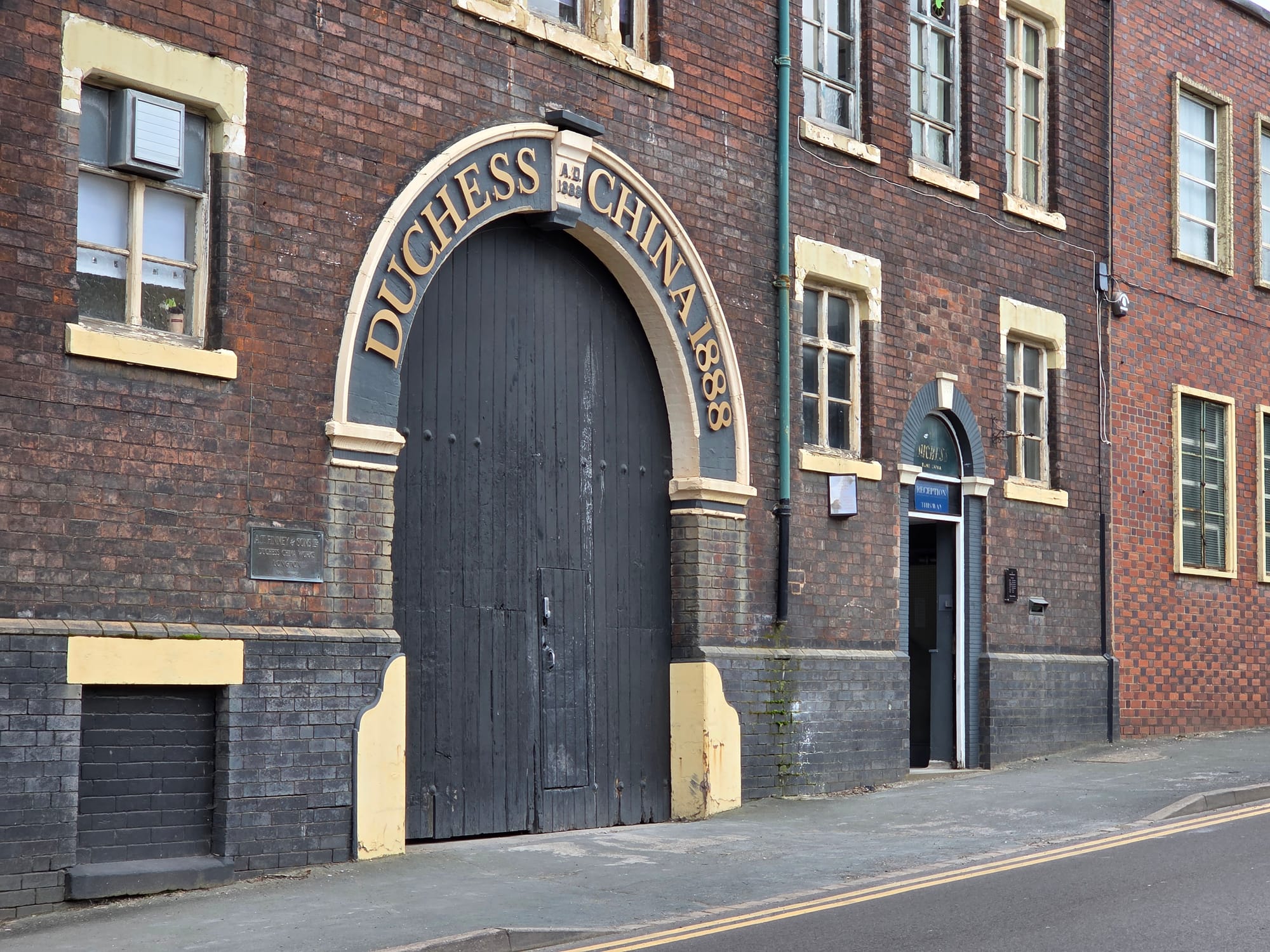
A date stone reading 1888 still sits above the gate on Uttoxeter Road, and behind it people are still making fine bone china by hand. With fresh investment and a global order from JCB, Jenna Goodwin argues that Duchess China proves Stoke's ceramics story is far from finished.
What's new: Duchess China, the Longton fine bone china maker founded in 1888, has secured a six-figure investment from Open to Ideas, just weeks after landing the biggest order in its 25-year relationship with JCB.
By the numbers: 138 years of production, 59 staff, up to 30 pairs of hands on every piece, and around 1,300 pieces of Longton china heading to JCB sites across the world.
Why it matters: One of the last historic fine bone china makers in Britain is not just surviving, it is growing. That should change the way we talk about our own industry.
There is a date above the entrance to the Duchess Works on Uttoxeter Road in Longton. It reads 1888.
When that stone went up, Queen Victoria was on the throne, the bottle ovens of Longton were filling the sky with smoke, and Stoke-on-Trent was still more than two decades away from becoming a single borough, let alone a city. Almost everything that stood around that building on the day it opened has long since gone. Potbanks have been flattened, famous names have been sold, shrunk or shipped overseas, and the smoke has (thankfully, for anyone with lungs) cleared.
But behind that gate, people are still doing exactly what the building was put up to do. They are making fine bone china, by hand, in Longton.
I have been lucky enough to walk under that date stone more than once, and every time I leave the factory I come away with the same feeling: a mixture of pride, awe and mild irritation. Pride, because what happens in there is extraordinary. Awe, because I could not paint a straight line on a mug if my life depended on it. And irritation, because far too many people in this city have no idea it is happening at all.
This week, two pieces of news landed that I think every Stokie should hear about. So let me tell you about them, and then let me tell you why they matter far beyond one factory on one road in one of our six towns.
We are very good at talking about ceramics in the past tense
We Stokies have a habit. Ask us about pottery and we will tell you about our nan who was a paintress, our grandad who worked the kilns, the bottle ovens we remember, the factories that closed. We talk about ceramics the way you talk about a relative at a wake: fondly, at length, and firmly in the past tense.
I understand why. The last few decades have been brutal for the industry, and the scars are visible in every town. But there is a danger in that habit. If we only ever talk about pottery as something we used to do, we stop noticing the people who are still doing it, brilliantly, right under our noses. And if we stop noticing them, we stop backing them.
Duchess China is the perfect antidote to that habit.
A works with a long memory
Bone china is ours. It was developed here in Stoke-on-Trent at the end of the eighteenth century, with Josiah Spode widely credited with perfecting the recipe, and it became the material that carried the name of the Potteries to dining tables all over the world. Longton, in particular, became a bone china town, its skyline once crowded with bottle ovens. Gladstone Pottery Museum, a short walk away, still preserves a complete Victorian potbank so we can see how it was done.
The Duchess Works was built in 1888 and for much of its life was the home of A. T. Finney & Sons, makers of Duchess China. The works later became part of the Tams Group, and around the turn of the millennium Duchess China Ltd took over the site. Through every change of ownership, the factory kept making china.
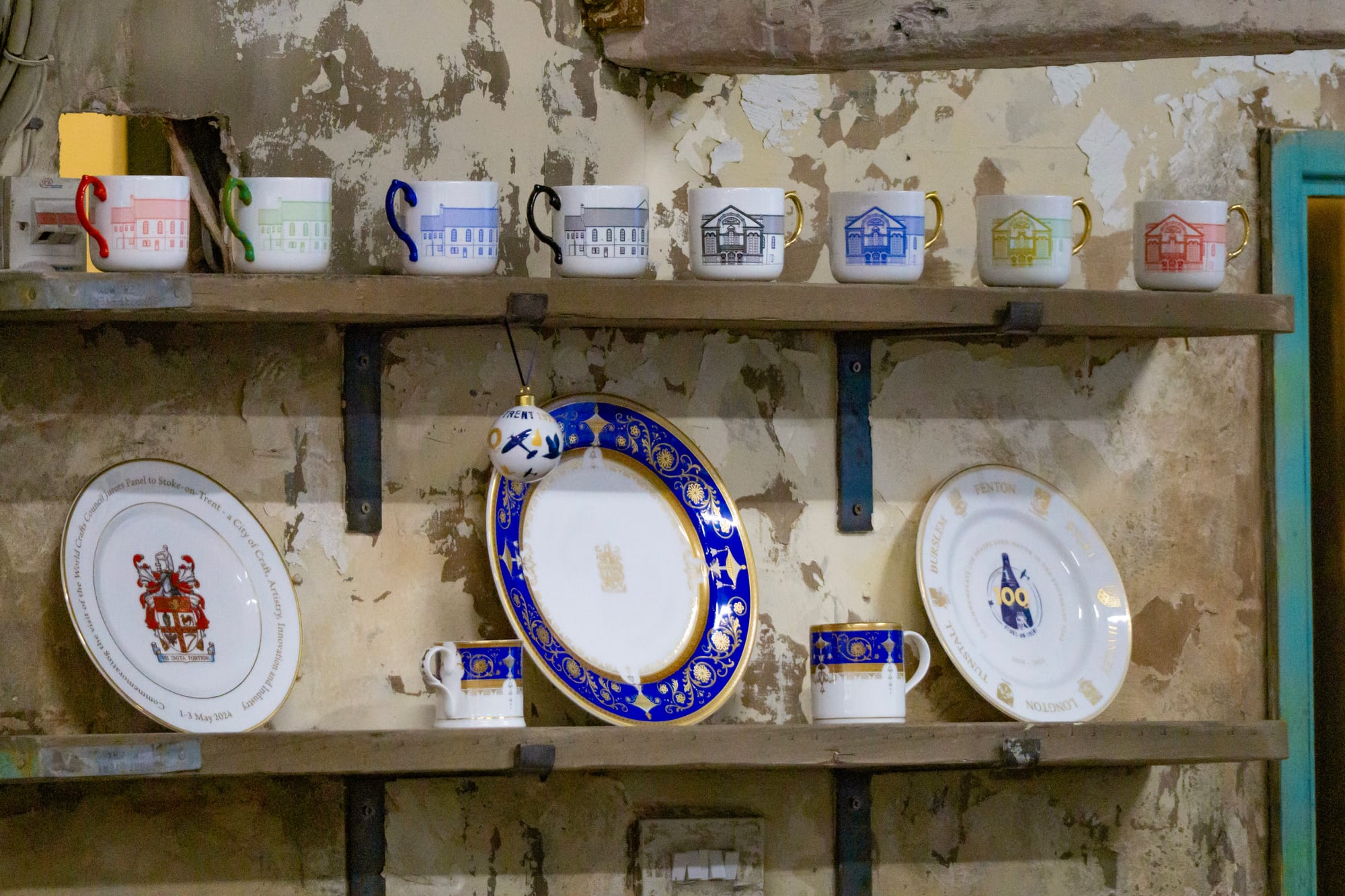
And what china! In the 1920s and 1930s, Duchess was being used at the Ritz Hotel in London. Over the decades it was gradually overshadowed by bigger names such as Wedgwood and Royal Doulton, but it never stopped making. When King Charles III was crowned in 2023, the factory was working flat out on commemorative plates and mugs inspired by pieces it had produced for the coronation of his grandfather, King George VI, back in 1937. Production manager Gary Fraser, whose father and grandfather also worked in the potteries, put it beautifully at the time: "People will pass these things on to their grandkids."
That is the thing about fine bone china. It is built to outlast us. And so, it turns out, is the factory that makes it.
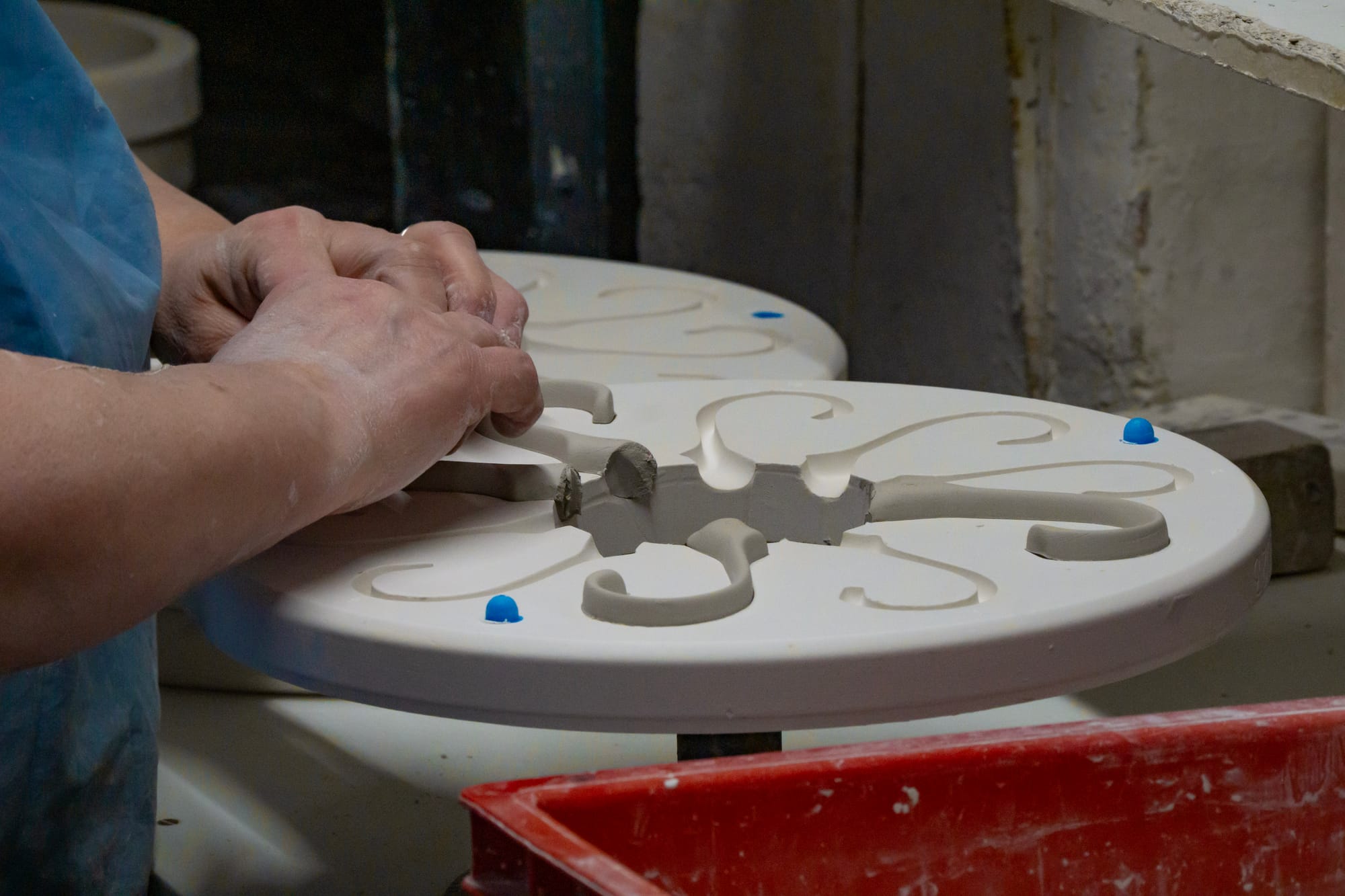
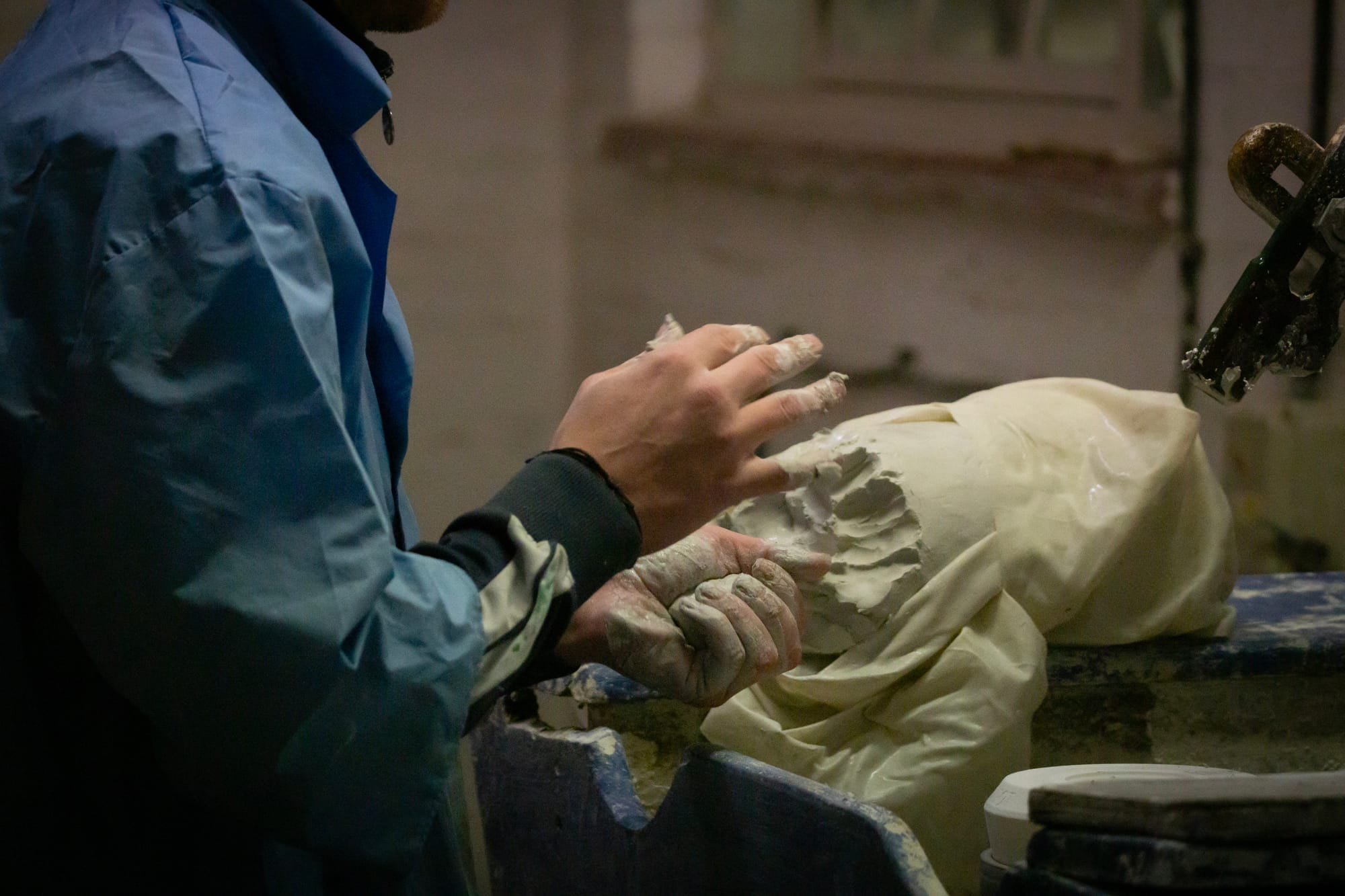
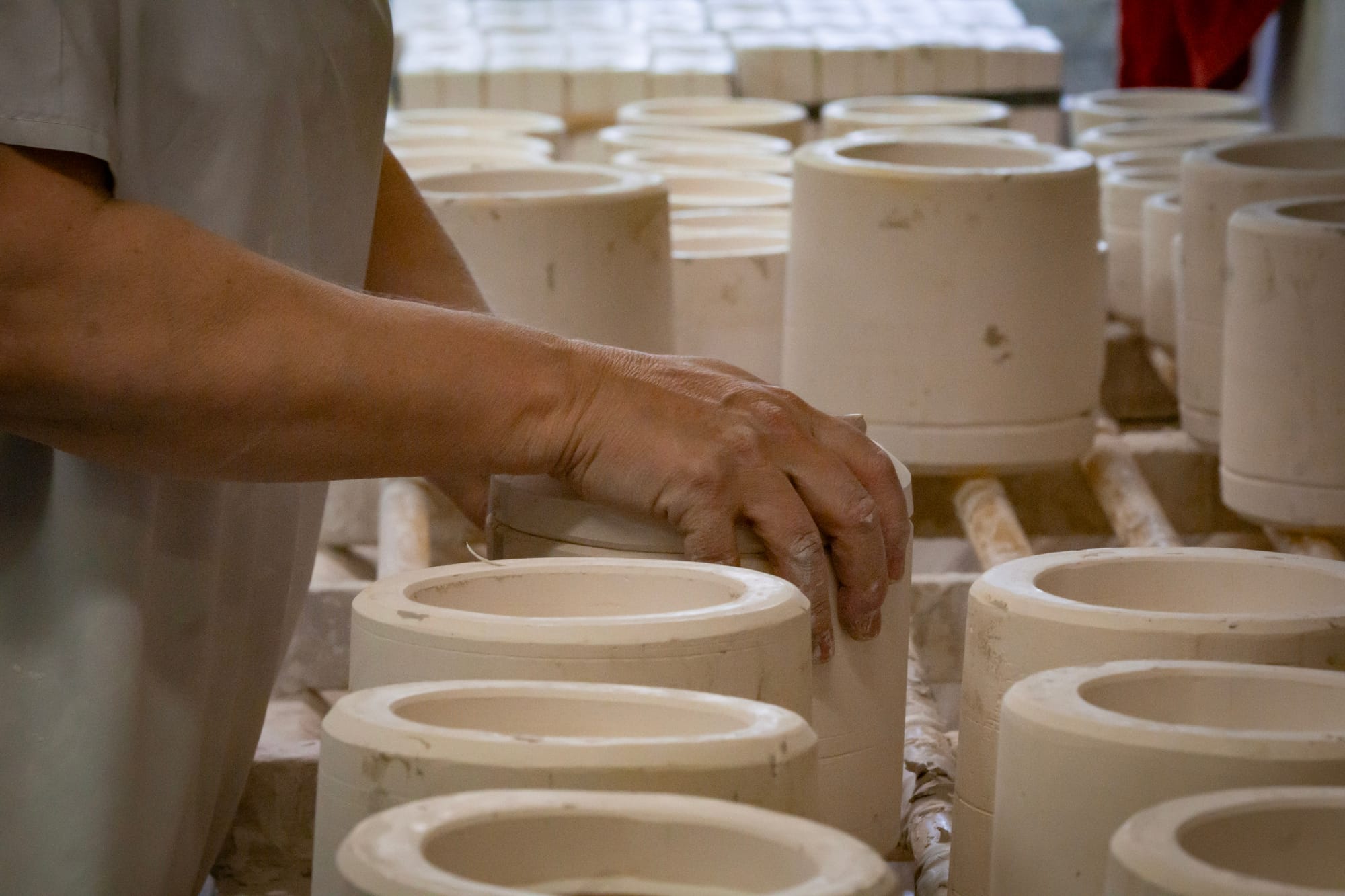
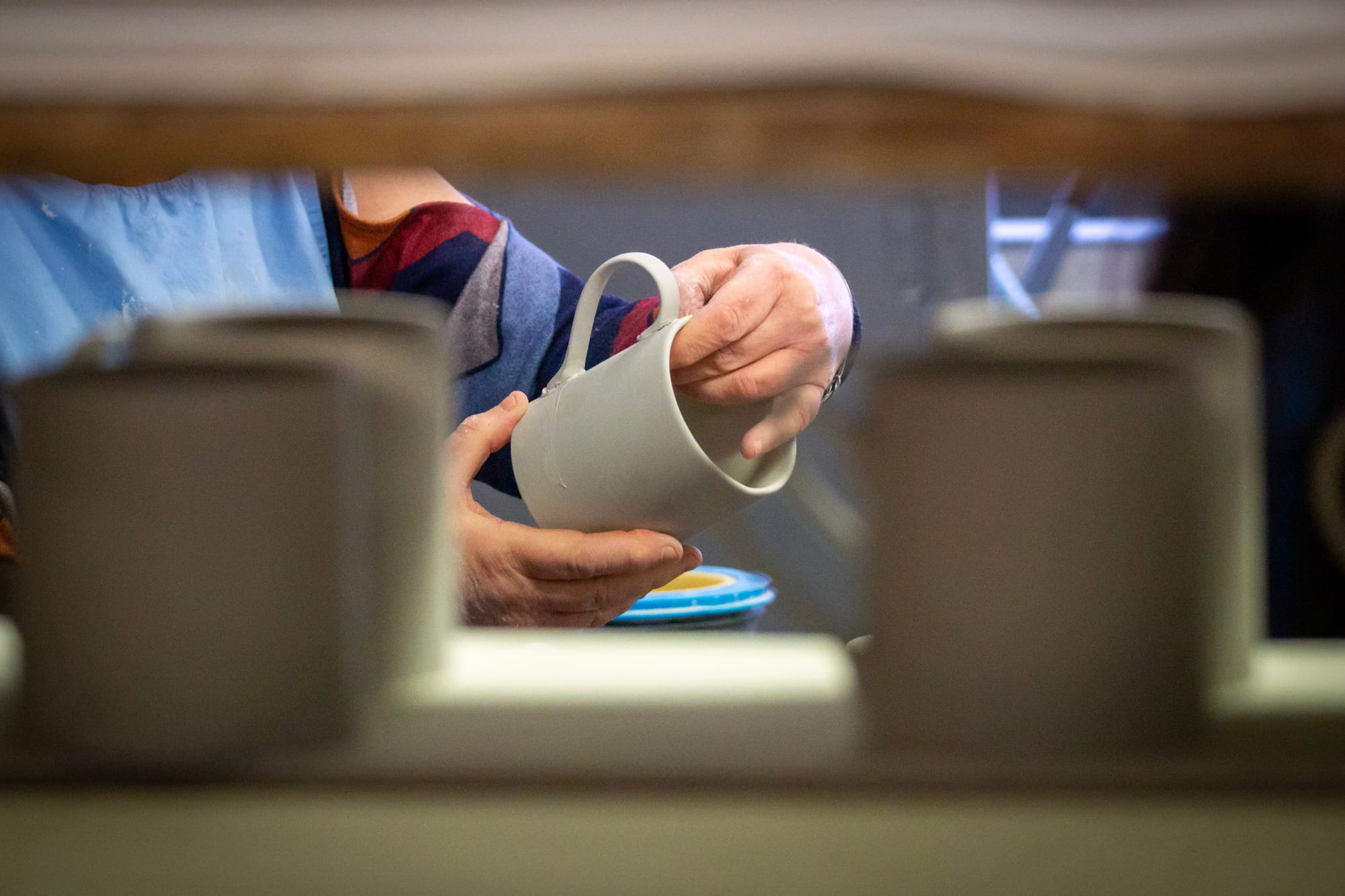
Duchess China 1888, Longton - Photos by Natalee Trowbridge
Thirty pairs of hands
If you have never been inside a working pottery, I cannot recommend it enough. It is not a museum. It is noisy, busy, warm and full of people who are very, very good at what they do.
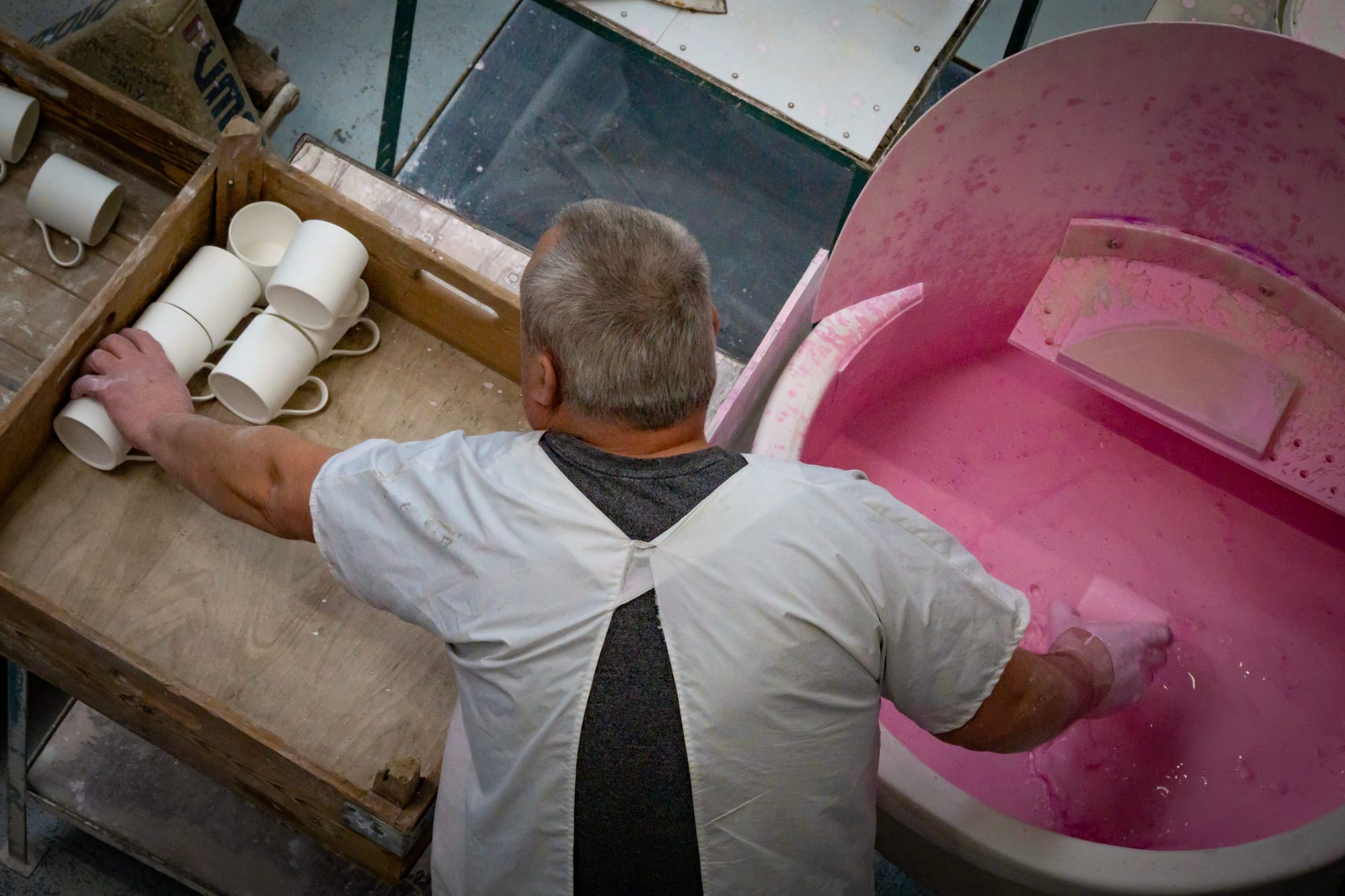
At Duchess, the clay is made here in Stoke-on-Trent, and everything from raw clay to finished piece is handled in-house. Co-owner and director Jason Simms says every piece of chinaware goes through up to 30 pairs of hands before it leaves the building. Having watched some of those hands at work, I am in awe of every one of them.
I have stood and watched gilding and hand painting done with a steadiness that would make a brain surgeon nervous. I have watched pieces checked, turned, checked again and set down with the kind of care most of us reserve for newborns and expensive phones. These are skills that take years to learn and a lifetime to master, and many of them have been passed down through families in this city for generations.
What stays with me most, though, is the people. Every visit, I have been met with warmth, good humour and a genuine pride in the work that you cannot fake. Nobody in that building talks about pottery in the past tense. They talk about this week's order, the next collaboration, the piece on the bench in front of them. The factory currently employs 59 people and can produce up to 20,000 pieces of ware a week. Every one of those pieces is, in a very real sense, a little bit of Longton sent out into the world.
From the Ritz to the Pullman
Here is where the irritation comes back in. While plenty of people in Stoke walk past the Duchess Works without a second glance, some of the most discerning names on the planet have been beating a path to its door.
Duchess has worked with Harrods, Fortnum & Mason, the Royal Collection Trust, the House of Commons and the Orient Express, as well as fashion houses including Burberry and Jimmy Choo. Its list of clients takes in royalty, high-profile designers and music stars.
In the past year or so alone, the factory has made David Hockney's A Year in Normandie bone china vases for the Serpentine, bespoke tableware for Baz Luhrmann's Celia carriage on the Belmond British Pullman, and the Capel Salem mug collection for Keith Brymer Jones, the potter many of us know from The Great Pottery Throw Down. Explaining why he chose Duchess, his team said the factory's values matched the project: craft over convenience, quality over quantity.
Close to home, Duchess made the bespoke, gold-detailed plates presented to the winners of the Staffordshire Chambers of Commerce Business Awards last year, marking the awards' tenth anniversary. Which is exactly as it should be. When Staffordshire wants to say "this is special", it should reach for something made in Staffordshire.
And it now has a new factory tour, launched earlier this year and run in association with Gladstone Pottery Museum, so there is no longer any excuse for the rest of us not to go and see it for ourselves.
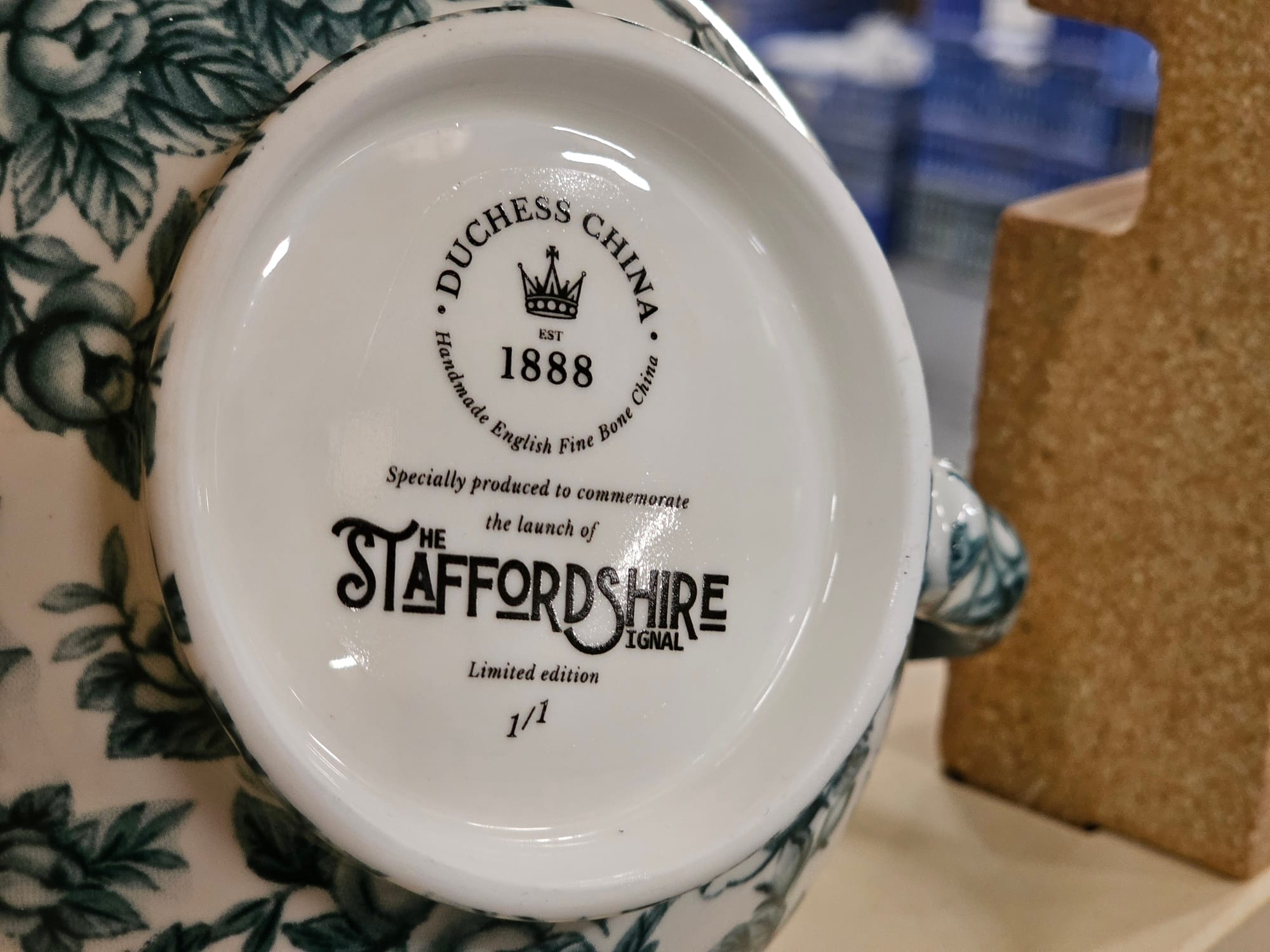
Putting their money where our mouths are
This brings me to this week's first big announcement.
Duchess China has secured a significant six-figure investment from Rob Ward and Kieran Donovan of Open to Ideas, a company founded in London this year to back British businesses across the creative industries. They are investing alongside the existing directors, Jason Simms and Andy Tooth, who will continue to lead the business day to day.
The money is going into people, equipment and technology: investment in the factory and its manufacturing capability, developing and protecting specialist skills, expanding the product range and the brand, exploring new collaborations and growing Duchess's presence at home and overseas.
What struck me most was not the size of the cheque but the attitude behind it. Rob Ward said: "Kieran and I invested in Duchess because we believe it makes some of the finest fine bone china in the world. There is something extraordinary about finding a genuinely world-class product still being made in Longton, Stoke-on-Trent. Much of it by hand, using skills and craftsmanship that have been
developed and passed down through generations."
“Our ambition is to build on that. We want to invest in the people, skills and
manufacturing capability here in Stoke, develop the products and the brand and take what is a fantastic British-made product to many more customers and markets around the world.
"This isn't about changing what makes Duchess China special, it is about recognising how special it already is and giving Jason and Andy the support and investment to realise its potential."
Read that again. An investor looked at a factory in Longton and decided the thing to change was not the place, not the people and not the product, but the size of the audience. Anyone who has watched a beloved local brand get bought, "streamlined" and quietly moved abroad will understand why that matters.
Open to Ideas describes itself as a buy-and-hold investor rather than a conventional private equity firm. It invests mainly through equity rather than loading businesses with debt, and says it backs existing teams instead of stepping in to run them. Its investors and management all come from state school backgrounds, and they say they are motivated to create meaningful jobs, training and career opportunities, especially for people from less privileged backgrounds. In a city like ours, where opportunity has not always been evenly shared, that is music to my ears.
Jason Simms said: "“This is an incredibly exciting moment for the brand. Andy and I have spent many years building the business, protecting the skills and manufacturing heritage that sit at its heart. Rob and Kieran share our belief in Duchess, our people and our products." He added that the business now has "the resources and ambition to invest, grow and introduce Duchess to a much wider audience, while continuing to make our fine bone china here in Longton, Stoke-on-Trent, as we have done since 1888."
The leader of Stoke-on-Trent City Council, Councillor Jane Ashworth, called the investment "a vote of confidence in manufacturing in our city", adding:
"The people who work there have skills that take years to develop and it's encouraging to see an investor recognise their value and make a long-term commitment to production here."
Tea at Rocester
The second piece of news came from a little further up the road.
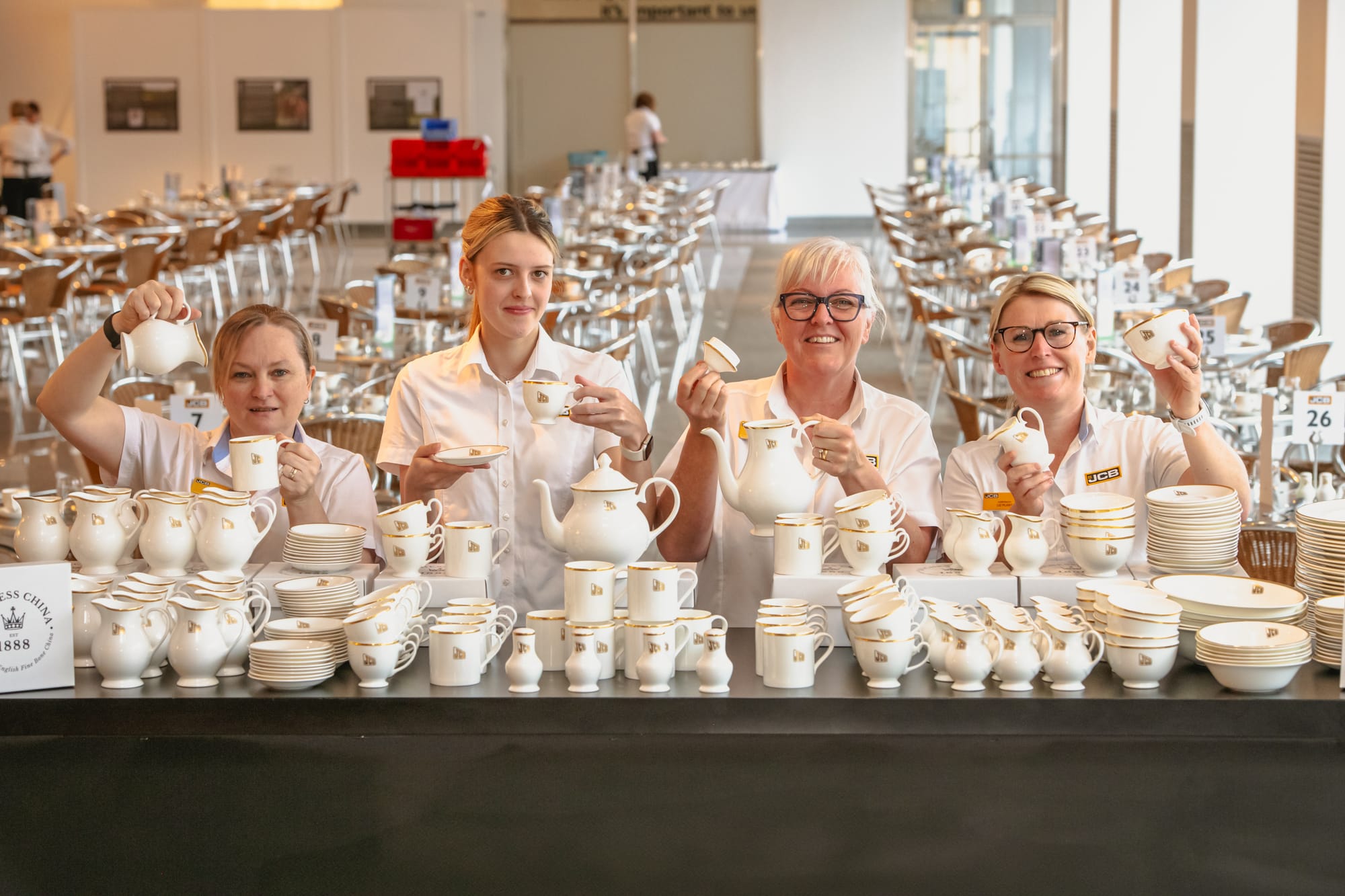
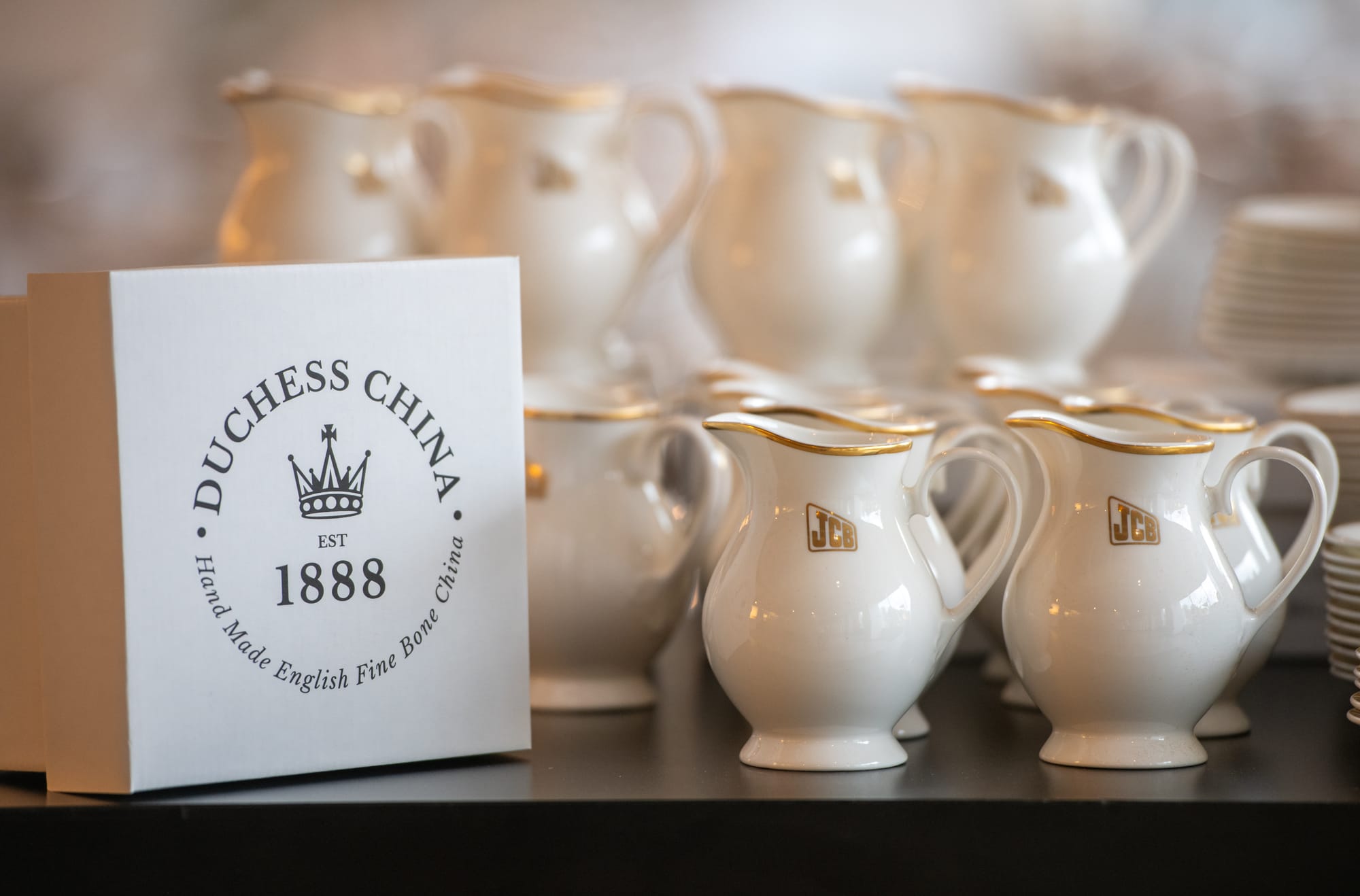
In September, JCB placed a major order with Duchess for around 1,300 cups, saucers, plates, teapots and coffee pots. It is the largest order in a relationship that stretches back more than 25 years, and the first to take Duchess china across multiple JCB sites around the world. Longton bone china will be used at JCB's World Headquarters in Rocester, at JCB North America and JCB Brazil, and at JCB dealerships across the UK, Europe and as far afield as Panama.
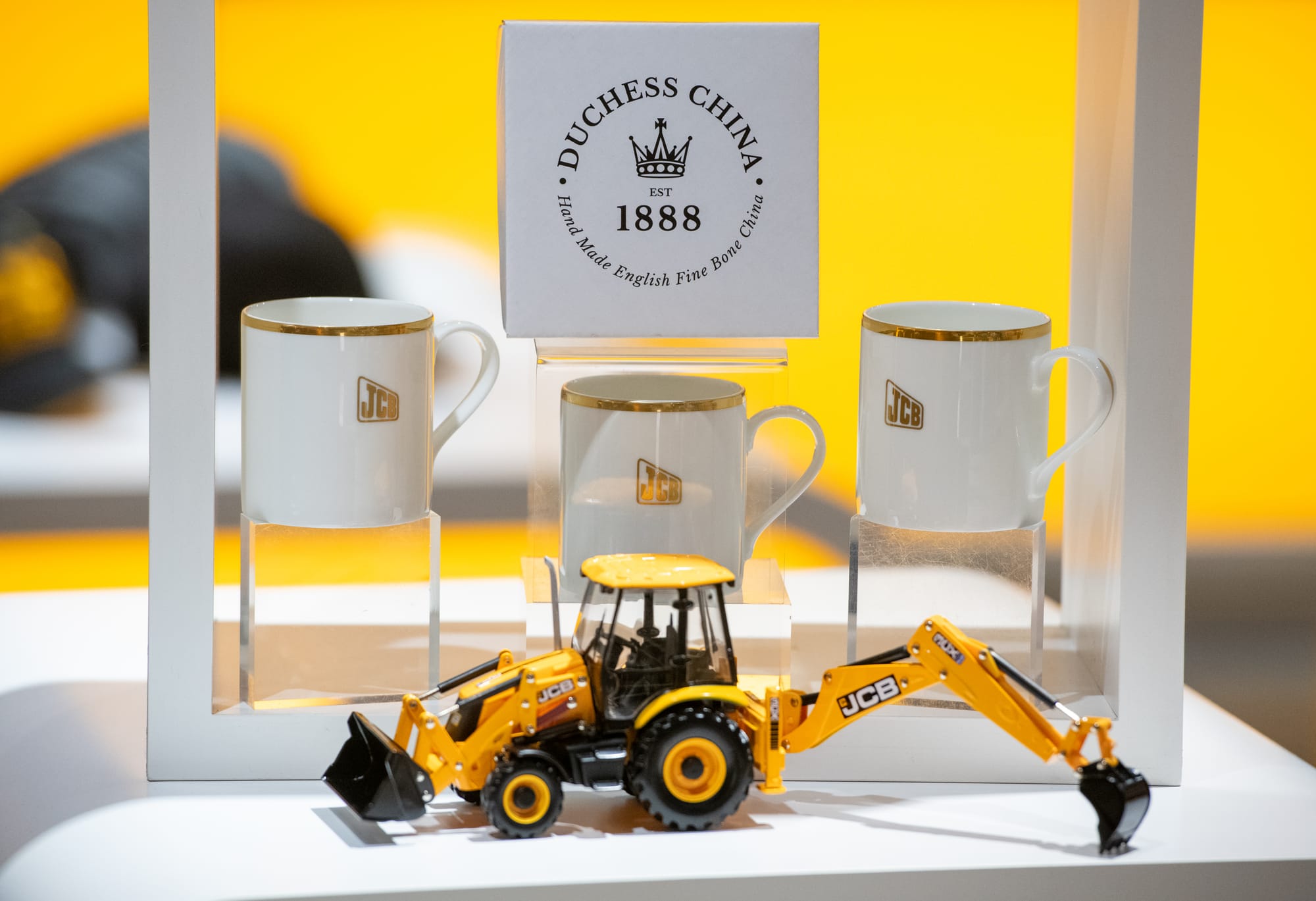
If you have ever had a cuppa at the JCB Visitor Centre, you have already drunk from Duchess. Last year the centre welcomed almost 57,000 guests and served 39,000 teas and coffees and 14,000 lunches, all on JCB-branded Duchess china. For the first time, JCB mugs embossed with 22ct gold are also being made, to be sold alongside cups and saucers at the Visitor Centre gift shop and online.
Lord Bamford, JCB's chairman, said: "Flying the flag for great British business wherever we can is important to JCB and particularly so for fellow Staffordshire industries. The Potteries and its people have always held a special place in my heart and I'm pleased JCB can do its bit to support the ceramics industry in Stoke-on-Trent. I'm also delighted that some of our overseas factories and dealers will be using Duchess China products to showcase the area's ceramics skills at JCB sites around the world."
There is something rather lovely about one great Staffordshire maker choosing another. A digger built in Rocester and a teacup made in Longton, sitting side by side in a dealership in Panama. Jason Simms summed it up: "We have much in common with JCB; we both have proud histories in this county, we both produce the highest quality products and we are both ambitious."
Let's not pretend it is all plain sailing
I promised you a hopeful piece, and it is one. But hope is not the same as pretending, and it would do our industry no favours to pretend the challenges have gone away.
They have not. As Councillor Ashworth put it this week:
"Ceramics businesses still face serious pressures, particularly from energy costs and international competition."
Firing kilns takes an enormous amount of energy, and cheap imports are never far away. Plenty of good companies with good people have been lost to those pressures, and many of us know someone whose job went with them.
That is precisely why stories like this one matter. They prove that when you combine genuine skill, a world-class product, patient investment and a bit of ambition, manufacturing in this city is not just possible, it is competitive on the world stage. As the council leader said, this investment "shows the potential of our ceramics industry and why it deserves continued support."
So, what can the rest of us do?
Quite a lot, as it happens.
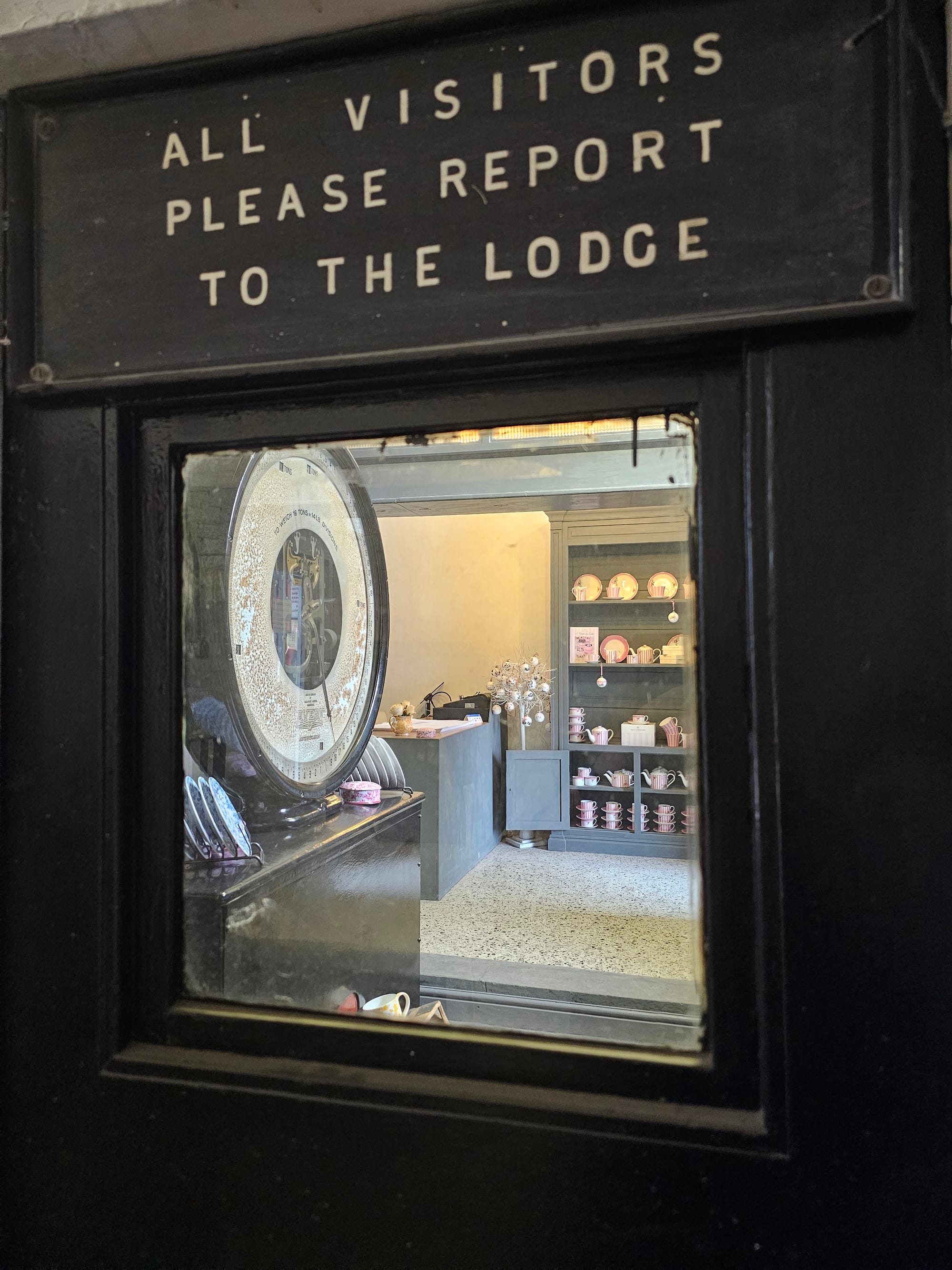
Go and see it. Book the 'Beyond the Bottle Oven' Duchess factory tour through Gladstone Pottery Museum (email gladstone@stoke.gov.uk or call 01782 237777). Take your kids. Take your visiting relatives. Take that friend who insists "nothing gets made round here any more" and watch their face.
Buy it. Next time you need a wedding present, a retirement gift, a christening keepsake or simply a mug that makes your morning brew feel like an occasion, look at what is made here first. The likes of Harrods and Fortnum & Mason already know where to find the good stuff. We have the advantage of living down the road.
Talk about it, in the present tense. When someone says the potteries are finished, tell them about the 59 people on Uttoxeter Road making china for the Serpentine, the British Pullman and a digger company they may have heard of.
Back the skills. If you are a young person wondering whether there is a future in making things with your hands, there is. If you are an employer, a school or a college, there are skills in this city that need passing on before the people who hold them retire.
The next 135 years
I will end here with these words from Rob Ward, because I could not have put it better myself:
"Britain sometimes talks about manufacturing like it is something we used to do. At Duchess China, it is happening every day. We have more than 135 years of heritage behind us but we are much more interested in what we can do with the next 135 years."
That date stone on Uttoxeter Road has watched an awful lot of history go by. I, for one, am rather looking forward to seeing what it watches next.
The skill is still here. The people are still here. Now, thankfully, so is the investment. All that is missing is for the rest of us to fall back in love with what we make.
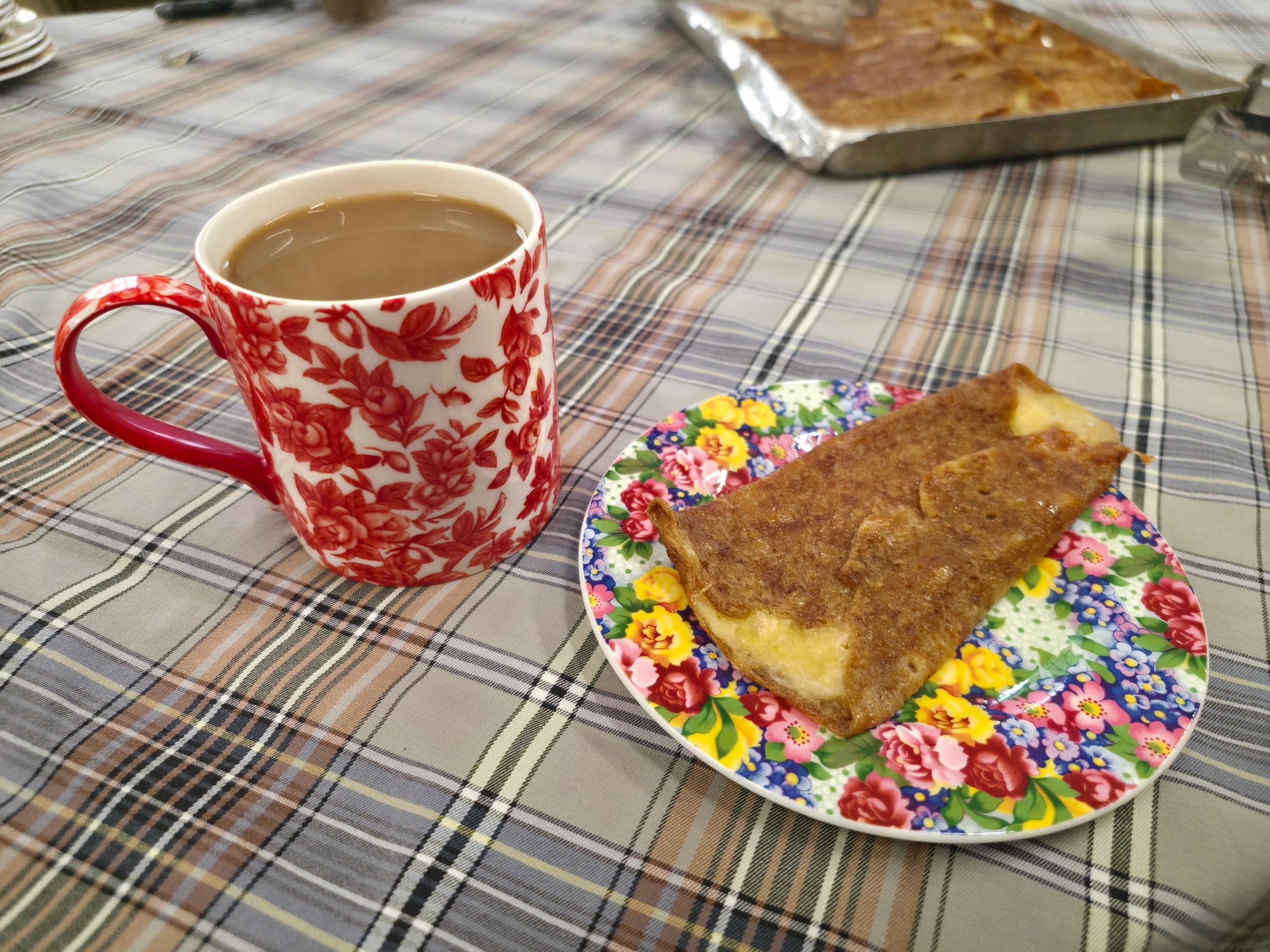
Let's get the kettle on. Preferably in a Duchess cup.
Support local journalism
Help us grow the Signal
Every tip goes towards expanding what we cover, more reporters, more events, more of Staffordshire's stories told properly. If this was worth reading, help us do more of it.
Every contribution supports reporting, photography, and storytelling across the county.
Join The Staffordshire Signal on WhatsApp
Never miss a single breaking update, local news story, community event, or deep dive. See everything happening in Staffordshire first, straight to your phone!
Get Instant Updates
 Werrington Co-op Relocation Plans Recommended for Approval
 Oakleys Farm alcohol and live music licence bid sparks objections in Dilhorne
 Staffordshire records more than 5,000 pothole repairs in a single month
 Lesters invests £2m in new Cannock headquarters as packaging firm targets £30m revenues
 More Than 2,000 Take On Potters 'Arf As Stoke Turns Out For Its Famous Half Marathon